
Grand Canyon River Trips
A Grand Canyon river trip is not one standard product. It is a moving journey through the canyon whose character depends on where the trip begins and ends, how passengers enter or leave the river, the craft being used, and how much time the itinerary gives to side canyons and hiking.
VERIFY YOUR EXACT GRAND CANYON RIVER DEPARTURE
The August 29 flash flood disrupted Grand Canyon river and inner-canyon operations, and some trail-to-river connections remain unavailable. River parties and upcoming commercial passengers should follow trip-specific direction from their outfitter and current National Park Service river information. Private permit holders should use NPS River Permits guidance. Do not use the normal itinerary descriptions below as evidence that a scheduled trip is operating or canceled without confirming the exact trip.
Trip length changes the experience
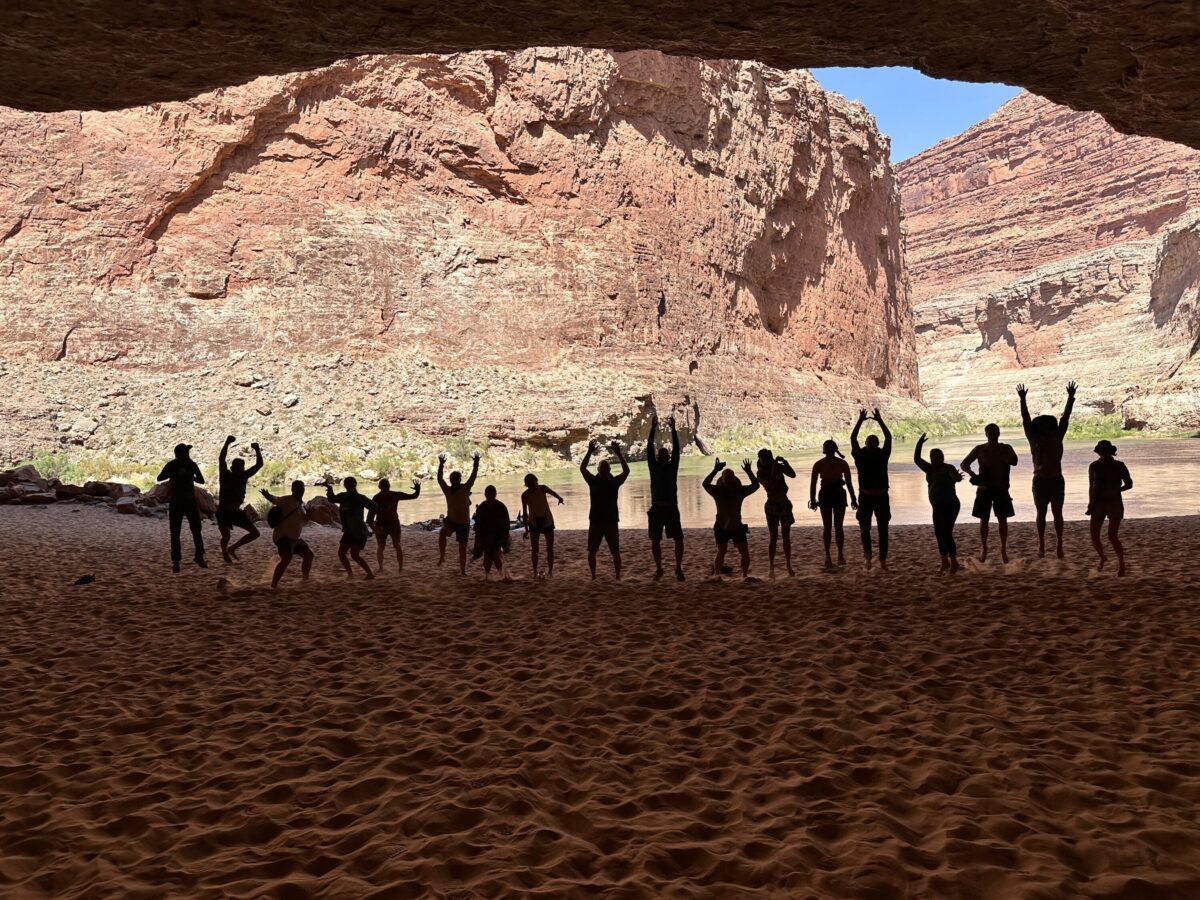
A full canyon expedition and a partial-canyon trip may share the same river but feel completely different. Access points, exchange logistics and craft type determine how much of the corridor a passenger actually experiences.
The river day is more than rapids
River trips alternate between moving water, flat water, camp, geology, human history and side-canyon hiking. The amount of time available off the boat can matter as much as the craft itself.
Commercial and private systems are different
Commercial operators manage the trip logistics for booked passengers. Private river trips use a separate NPS permit system and require the group to manage equipment, food, camps, safety and transportation themselves.
Access Points Define the Itinerary
The easiest way to understand a Grand Canyon river trip is to stop thinking first about the boat and look at the access points. They determine which stretch of canyon can be traveled and where passengers, vehicles and equipment can realistically enter or leave.
Lees Ferry
Lees Ferry is the principal launch point for long Colorado River trips entering Marble Canyon and Grand Canyon. It is where many expedition logistics begin: boats, gear, passenger arrival, rigging and launch schedules.
Hiking Exchanges
Some partial trips exchange passengers through inner-canyon hiking corridors, so trail and river schedules must align. Confirm the exact exchange route, timing and current trail access with the outfitter before relying on the itinerary.
Diamond Creek
Diamond Creek provides road access to the river through Hualapai Tribal lands and can function as a launch, take-out or passenger exchange point. It solves a different logistical problem from a rim trailhead.
Pearce Ferry
Pearce Ferry lies farther downstream in Lake Mead National Recreation Area and functions as a take-out for many full-canyon trips. It is a working exit point rather than a public launch destination.
Motor, Oar and Paddle Trips Feel Different
Craft type affects speed, group participation, sound, daily mileage and how much time an itinerary can spend moving versus stopping. There is no universally 'best' craft. The useful question is which rhythm matches the experience you want.
Motorized Trips
Motorized rafts can move efficiently through long stretches of canyon, which can make shorter-duration full-canyon itineraries possible. They typically carry larger groups and create a different onboard atmosphere from smaller craft.
Oar-Powered Trips
An oar-powered raft is rowed by a guide and generally moves at a slower pace. The longer duration can create more time to absorb the changing geology and settle into the daily camp-and-river rhythm.
Paddle-Based Experiences
Paddle trips ask passengers to participate more directly in moving the boat through whitewater. Availability and itinerary design vary, so read the actual operator description rather than assuming every 'rafting' trip involves the same level of participation.
Side Canyons Are Part of the River Experience
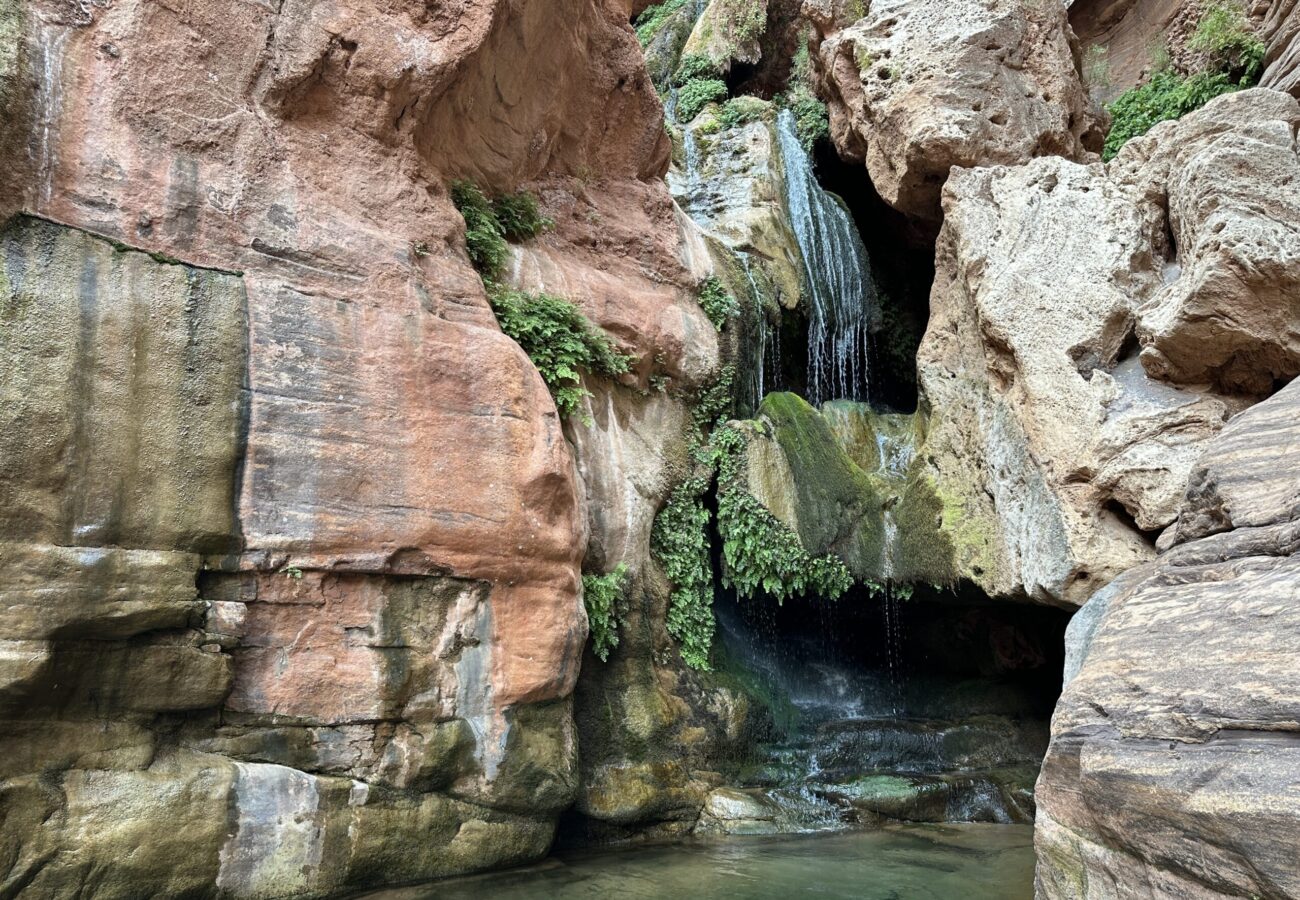
Many of the most memorable parts of a Grand Canyon river trip happen away from the raft: waterfalls, narrow side canyons, historic sites, geological features and short hikes. When comparing itineraries, look at how much time the schedule gives those places—not merely the number of river miles.
Short River Trips Are a Separate Category
Not every short Colorado River float is a shortened version of a multi-day Grand Canyon expedition. Smooth-water trips near Page and western day trips connected with Hualapai access use different parts of the river and should be understood on their own terms.
Then Compare the River Experience
Use the River Rafting guide when you are ready to compare commercial versus private travel, motor versus oar or paddle, trip duration and the questions that matter before booking an operator.