
Start With the Decisions That Matter
For most first-time visitors, the biggest mistake is treating Grand Canyon like a roadside attraction. It is a large, high-elevation national park with multiple entrances, seasonal areas, long driving distances and dramatic climate differences between the rim and the Colorado River. A little planning turns a rushed stop into a memorable visit.
1. Pick the Right Rim
The South Rim is the best default for most first visits, with year-round access, the most viewpoints and the broadest visitor services. The North Rim is quieter, higher and seasonal, while Grand Canyon West is a separate Hualapai destination. Check current conditions before relying on any inner-canyon route.
2. Give It Enough Time
Choose by usable sightseeing time at the South Rim, not simply the dates on your reservation. About 3–5 usable hours fits a focused half-day, roughly 6+ usable hours supports the classic one-day plan, and two genuinely usable days gives the major scenic corridors room to breathe. If you are already at the canyon, switch to the Today page and plan from the hours actually left.
3. Choose Your Overnight Base
Where you sleep affects sunrise, sunset, early hiking, parking and how much of the day disappears into driving. Compare in-park lodging when available with Tusayan, Williams, Flagstaff and other gateway bases before building the daily schedule around a hotel.
Go Straight to the Right South Rim Plan
The time-based itineraries below are South Rim plans. If you have not chosen your rim yet, compare the South Rim, North Rim and Grand Canyon West first. Once the South Rim is your destination, choose by usable sightseeing time—not simply the number of dates on your reservation. If you are already at the canyon and the clock is running, use Today instead.
Half Day
A focused South Rim visit for roughly 3–5 usable hours.
One Full Day
The classic South Rim first-visit plan when you have about 6+ usable hours.
Two Days
A more relaxed South Rim visit with room for both major scenic corridors.
Three Days
Add South Rim flexibility for hiking, weather and longer experiences.
Compare Guided Tours
If transportation, interpretation or a short visit is the problem you are trying to solve, compare guided options by departure point and what the guide actually adds.
Plan How You Will Get There & Around
Decide whether you will drive, use the railway, rely on shuttles or use guided transportation before you lock in arrival times. At the South Rim, parking once and using the shuttle system is usually easier than moving the car between every stop.
Make Space for the Canyon to Surprise You
The best visit is not the one with the longest checklist. Build in time to walk, wait for changing light, and experience more than a single overlook.
Do Not Spend Your Best Hours Looking for Parking
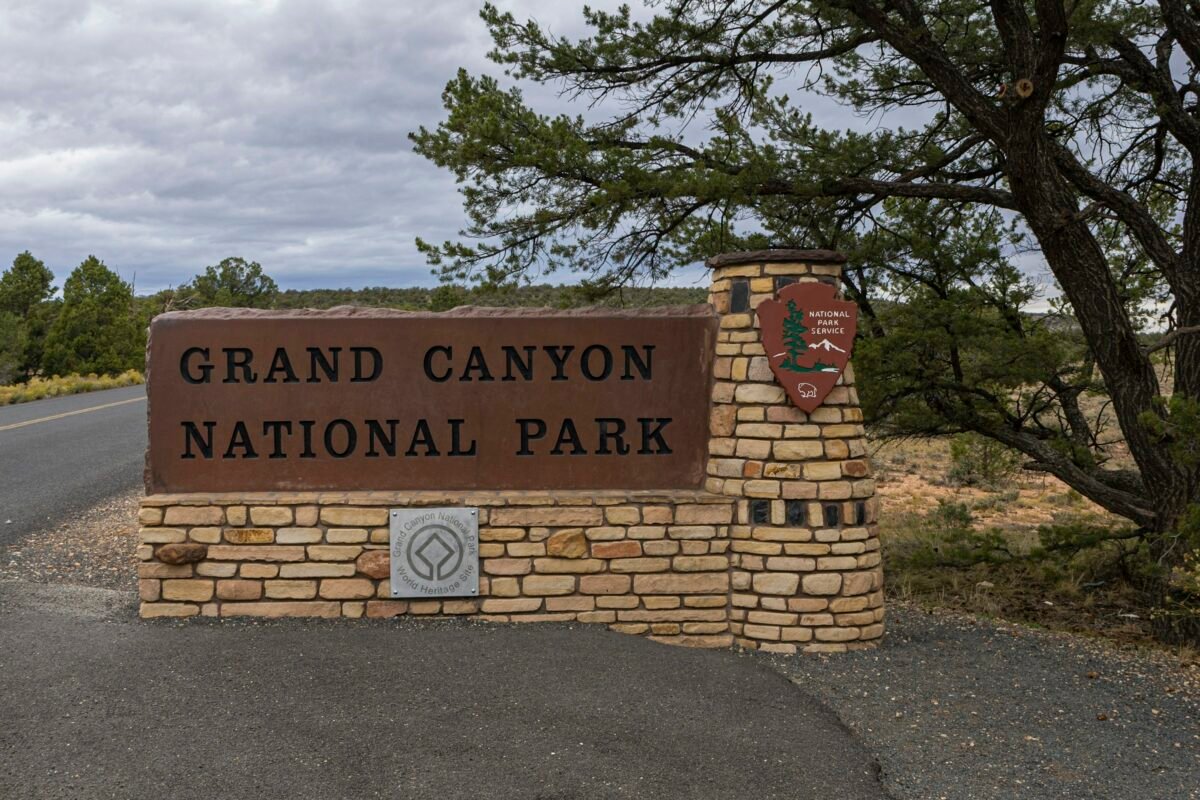
During busy periods, arrive early or later in the afternoon. At the South Rim, parking near the main Visitor Center gives you access to Mather Point and shuttle connections. Once parked, use the free buses and Rim Trail instead of moving your car every time you want a new view. During spring break, summer and fall weekends, NPS warns that South Entrance waits can reach up to two hours between about 10 a.m. and 4 p.m. Arriving before that peak window—or later in the afternoon—can reduce time spent in entrance traffic.
See More Than One Viewpoint
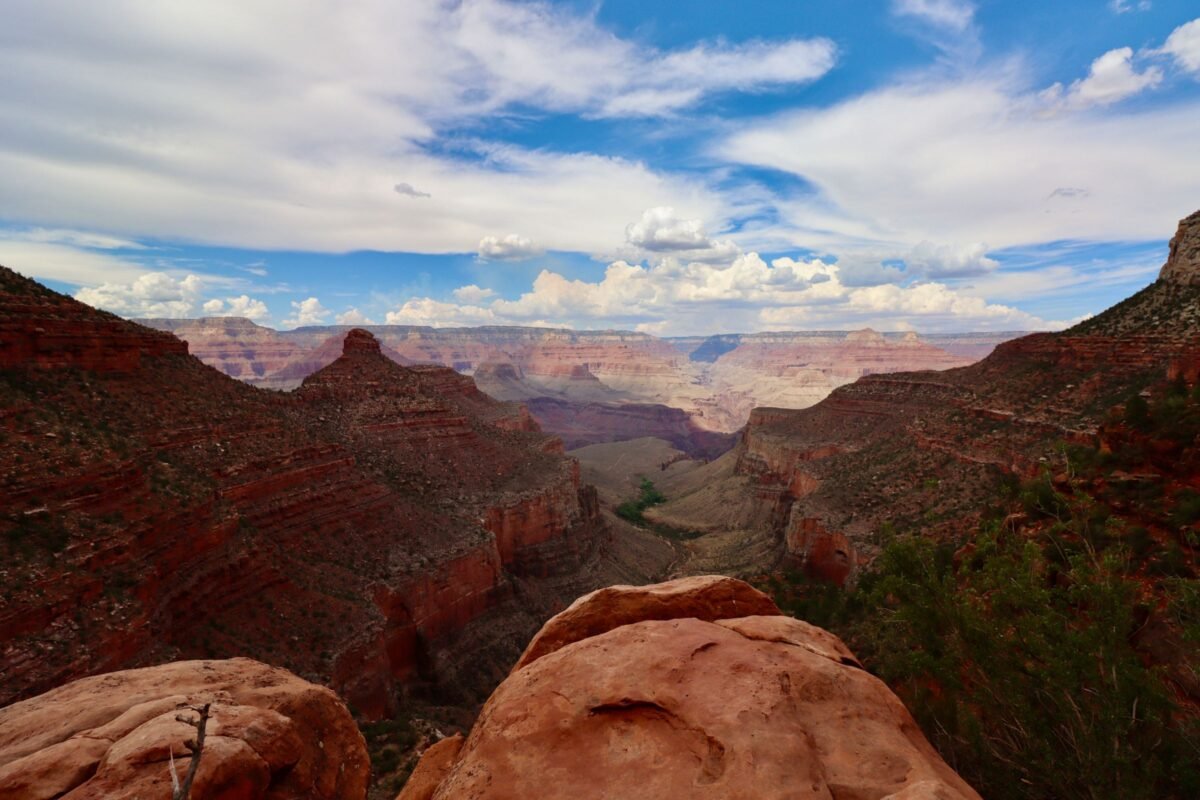
Mather Point is convenient, but it should be a beginning, not the entire visit. Walk a section of the Rim Trail, explore Yavapai Geology Museum, ride toward Hermit Road or drive Desert View Drive. The canyon changes character as side canyons, temples and river glimpses shift with your position.
Easy & Scenic
Rim Trail walks, overlooks, museums, historic Grand Canyon Village and shuttle rides work well for nearly every age and fitness level.
Short Hike Below the Rim
Even a brief descent changes the perspective, but remember that the return is uphill. Set a conservative turnaround point and never plan to reach the river and return in one day.
Sunrise or Sunset
Light and shadows reveal depth better than midday sun. Plan transportation and warm layers. Rim temperatures drop quickly after sunset even when the inner canyon is hot.
What First-Time Visitors Forget
Bring more water than you expect to need, sun protection, sturdy footwear, layers for changing temperatures and a charged phone—but do not assume cell service will be reliable. The South Rim sits near 7,000 feet, so visitors arriving from lower elevations may notice shortness of breath. Keep food secured, give wildlife space, and keep children close at unguarded overlooks. Drones are prohibited in national parks.
Entrance Fees
Private vehicle admission is currently $35 for seven days. The park is cashless at entrance stations and does not currently require timed entry.
Weather
Rim forecasts do not represent temperatures deep inside the canyon. Summer heat below the rim and winter ice at the rim are major planning factors.
Official Conditions
Use the National Park Service page for current alerts, roads, webcams, facilities, ranger programs and hiking messages.
Keep Planning From Here
Once you know the basics, these guides solve the questions that most often change the shape of a first trip: what to reserve, how much driving you really need, what to do when time is short, and which mistakes are easiest to avoid.
What to Book Ahead
Secure the scarce things first—lodging, permits and limited-capacity experiences—without reserving every hour of the trip.
First-Time Mistakes
Avoid the geography, traffic, lodging, weather and hiking assumptions that cost visitors the most time and comfort.
Only Half a Day?
If your schedule is genuinely short, simplify the visit instead of trying to compress a full-day checklist.