
Stargazing
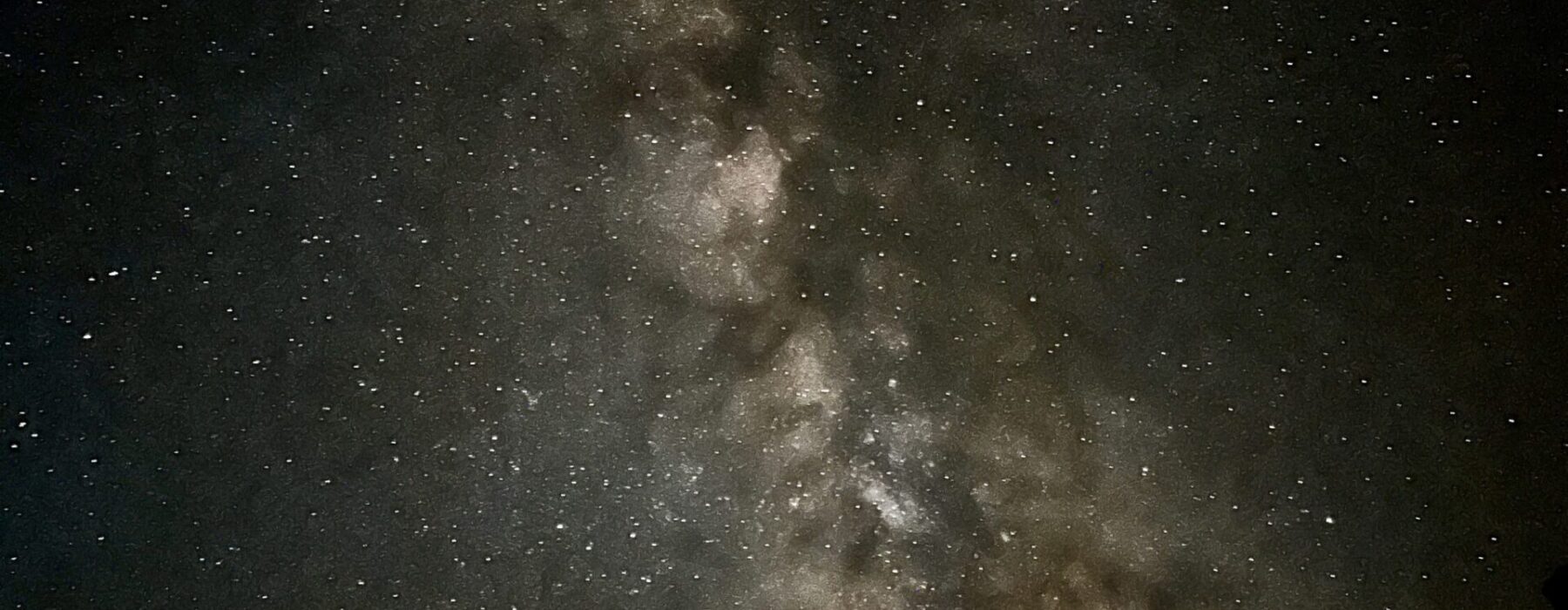
Grand Canyon is an International Dark Sky Park, and the experience after sunset can be as memorable as the daytime views. On clear, moonless nights the Milky Way, planets, star clusters and constellations stand out dramatically above the canyon.
Choose darkness
For the strongest Milky Way view, plan around a new moon or a moon that sets early. A bright full moon can wash out faint stars but illuminate canyon walls beautifully, so it is not necessarily a bad night—just a different experience.
Let your eyes adjust
Give yourself 20–30 minutes away from bright lights. Use a dim red flashlight where possible, lower phone brightness and avoid shining white lights toward other visitors.
Dress for the rim
Even summer nights at 7,000 feet can feel surprisingly cool after sunset. Bring layers, watch footing near rim edges and never walk backward toward the canyon while looking up or framing a photo.
Check the current night-sky calendar
Grand Canyon hosts free astronomy and dark-sky programs throughout the year, including constellation talks and special events. Program dates and locations change, and outdoor events may be canceled for lightning or weather, so use the live NPS event page on the day of your visit.
Grand Canyon Star Party
The annual Grand Canyon Star Party brings amateur astronomers and telescopes to the park for public viewing. If your trip overlaps the event, expect one of the park's most accessible opportunities to see deep-sky objects with knowledgeable volunteers.
Three Different Grand Canyon Night-Sky Experiences
Stargazing is not one single experience. A moonless Milky Way night, a bright moon over the canyon and a ranger or astronomy program can all be excellent for different reasons.
Dark Moonless Night
Plan near the new moon when faint stars and the Milky Way are the priority. Get away from building lights, give your eyes time to adapt and use a red light sparingly.
Moonlit Rim
A bright moon reduces faint stars but can reveal canyon walls, ridges and foreground in a way a moonless night cannot. This can be especially rewarding for casual visitors and photographers.
Night-Sky Program
Choose a scheduled program when you want help identifying constellations, planets or deep-sky objects. These programs can add far more context than simply looking up from a parking lot.
Darkness Matters More Than a Famous Viewpoint
For visual stargazing, a safe open area with limited nearby lighting is usually more useful than chasing a famous overlook. For photography, foreground and canyon orientation matter more. Keep a safe buffer from unguarded edges and choose a location you can navigate confidently after dark.
When Guided Stargazing Adds Value
You do not need a paid tour to see Grand Canyon's night sky. A guide becomes useful when you want telescope access, astronomy interpretation, night-photography instruction or help identifying objects you would otherwise miss.