
Discover the Grand Canyon
The view is only the beginning. Grand Canyon is a record of Earth history, a living ecosystem, a river corridor and a cultural landscape tied to generations of Indigenous people and later communities. This room is for understanding what you are looking at, so the canyon becomes more than scenery.
Geology
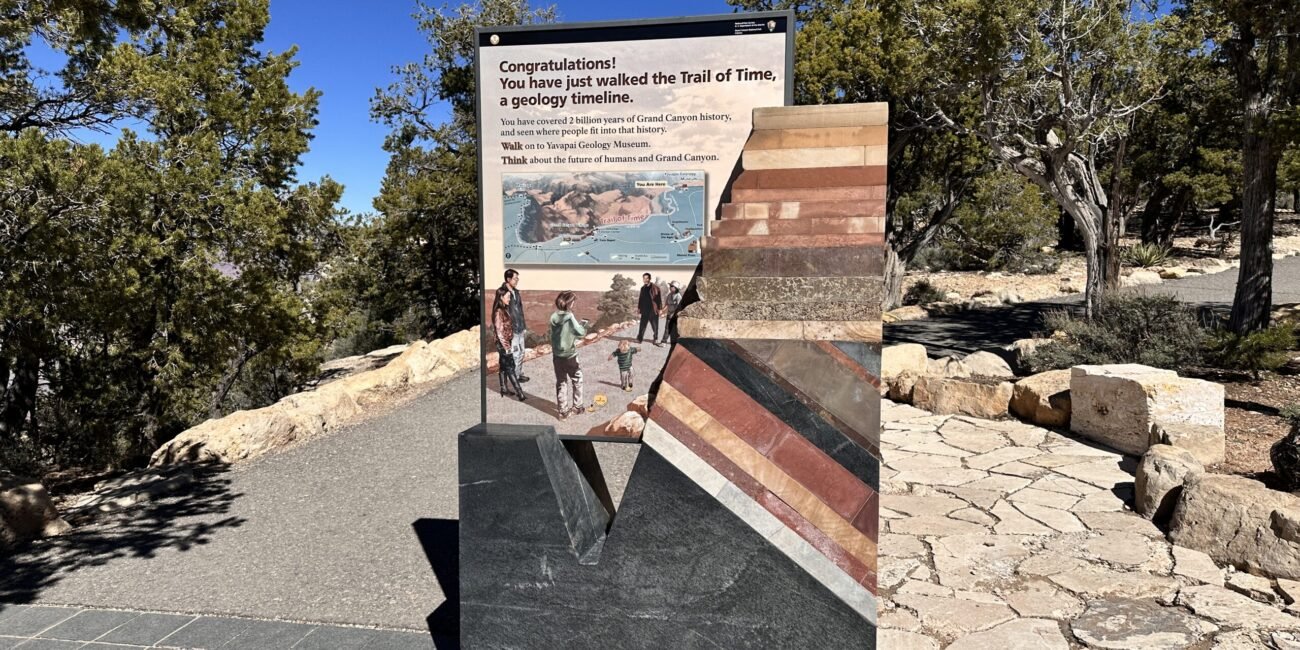
Read the canyon wall through rock units, unconformities, fossils, uplift, erosion and other visible structures that make Grand Canyon a remarkable geology classroom.
Wildlife
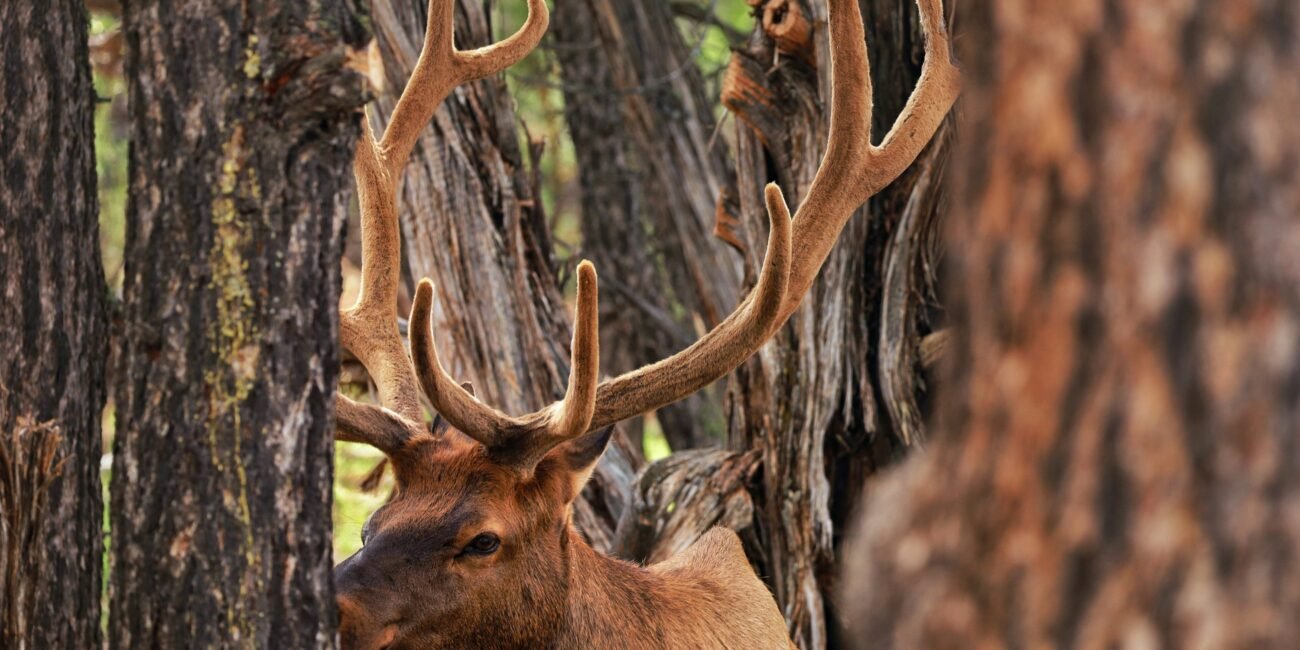
Elk on the rim, bighorn sheep in canyon country, ravens overhead and condors riding thermals are part of a surprisingly diverse ecosystem.
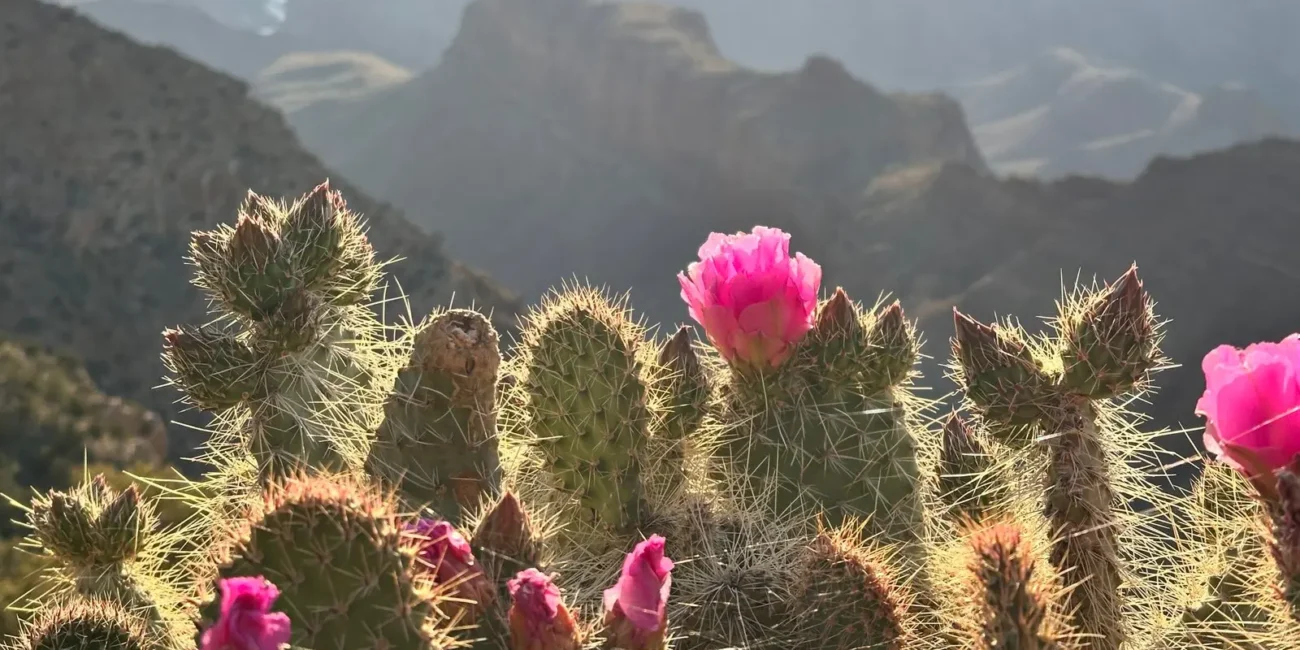
Plants & Trees
Elevation creates ecological zones from ponderosa pine forest on the rims to desert vegetation near the river, often within a single hike.
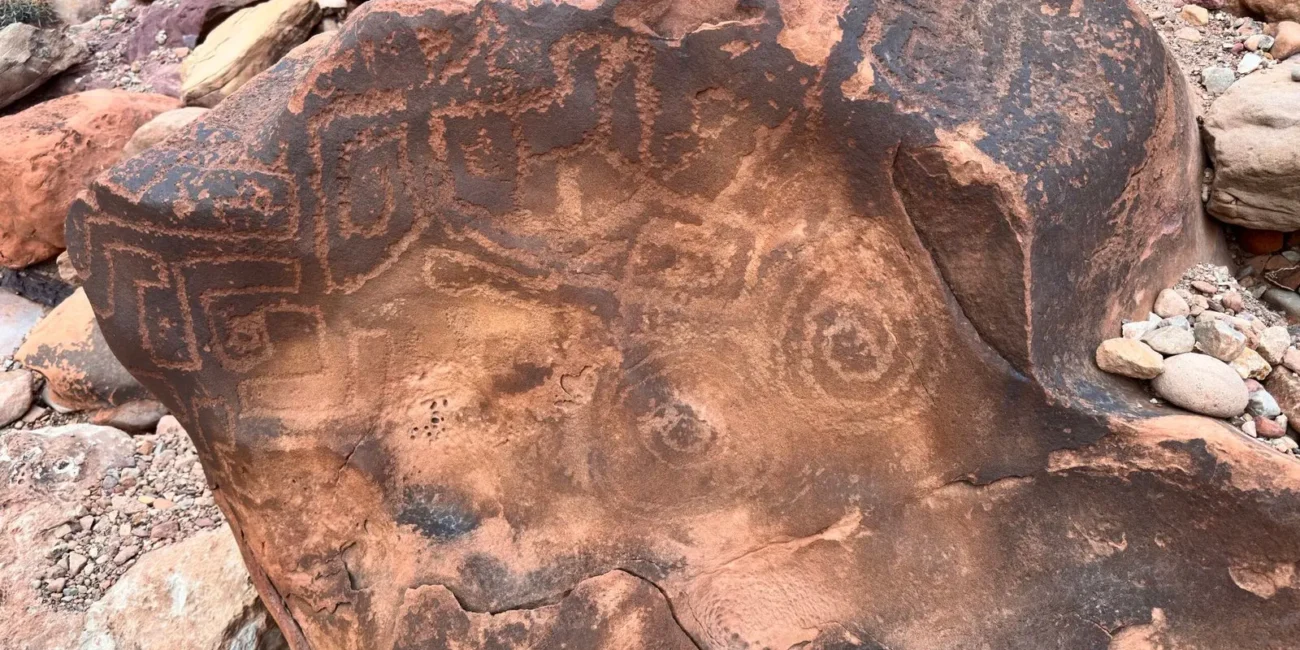
People Have Always Been Part of Grand Canyon
Grand Canyon is ancestral and contemporary homeland to multiple Tribal Nations. Archaeological places, place names, oral traditions and living communities are not a side story to the canyon—they are central to understanding it. Visit respectfully, follow tribal and park regulations, and remember that cultural sites and objects are protected.
History on the Rim
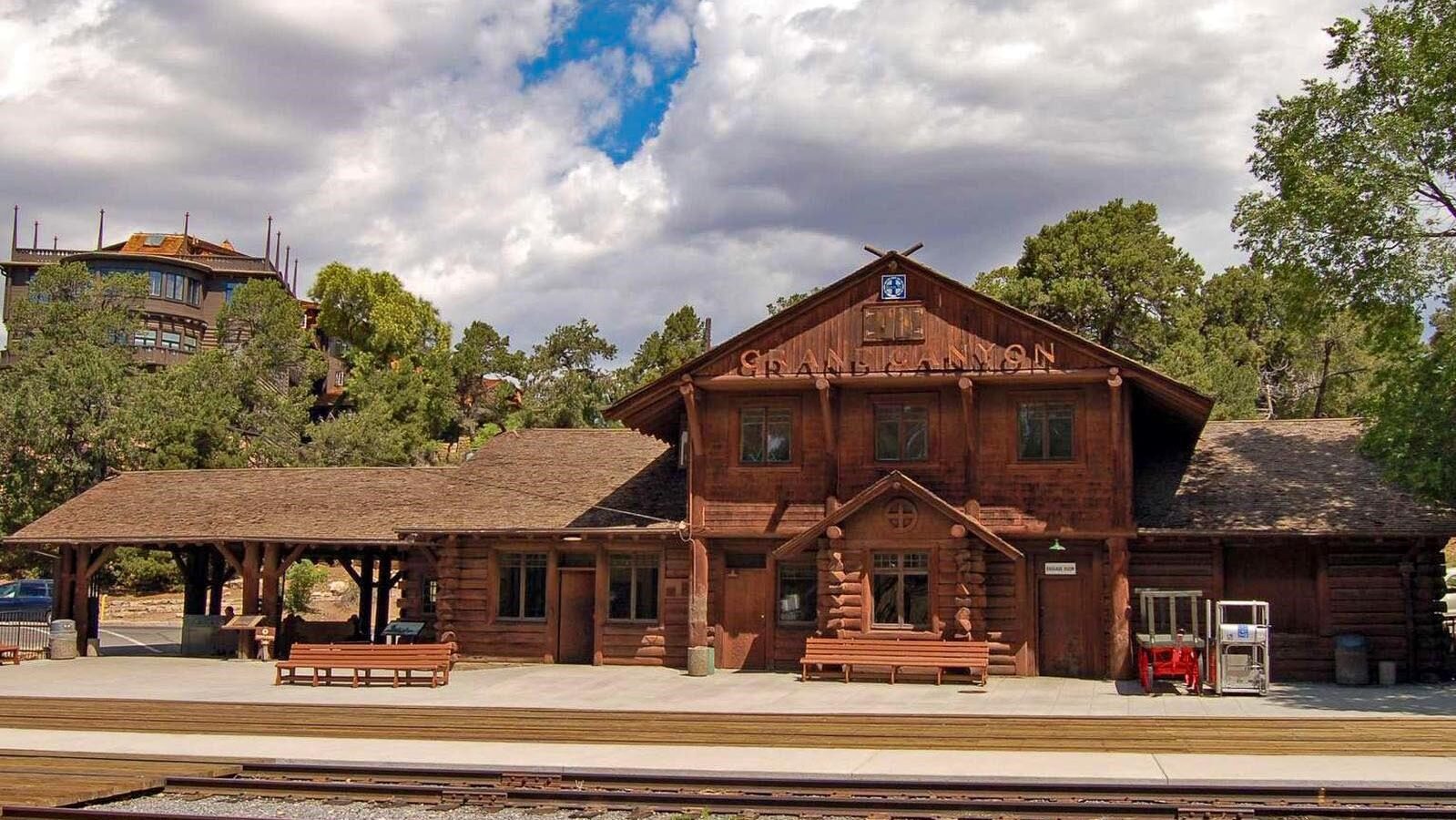
Railroad tourism, early park development, the Fred Harvey Company, architects such as Mary Colter, scientists, river runners and generations of park workers all shaped the visitor landscape seen today. Grand Canyon Village itself contains one of the richest collections of historic national park architecture in the West.
Grand Canyon History
Follow the transition from ancestral homelands and exploration to railroad tourism, national monument status, national park designation and modern conservation.
Historic Buildings & Places
Learn why El Tovar, Hopi House, Lookout Studio, Desert View Watchtower, Kolb Studio and other structures matter to the park experience.
People of the Grand Canyon
Meet explorers, entrepreneurs, architects, scientists, photographers, guides, river runners and community figures connected to Grand Canyon history.
Colorado River History
The Colorado River has been transportation corridor, barrier, homeland, research laboratory and adventure route. Its modern story includes early exploration, commercial and private river running, Glen Canyon Dam, changing sediment and ecological conditions, and long-running questions about water in the Southwest.
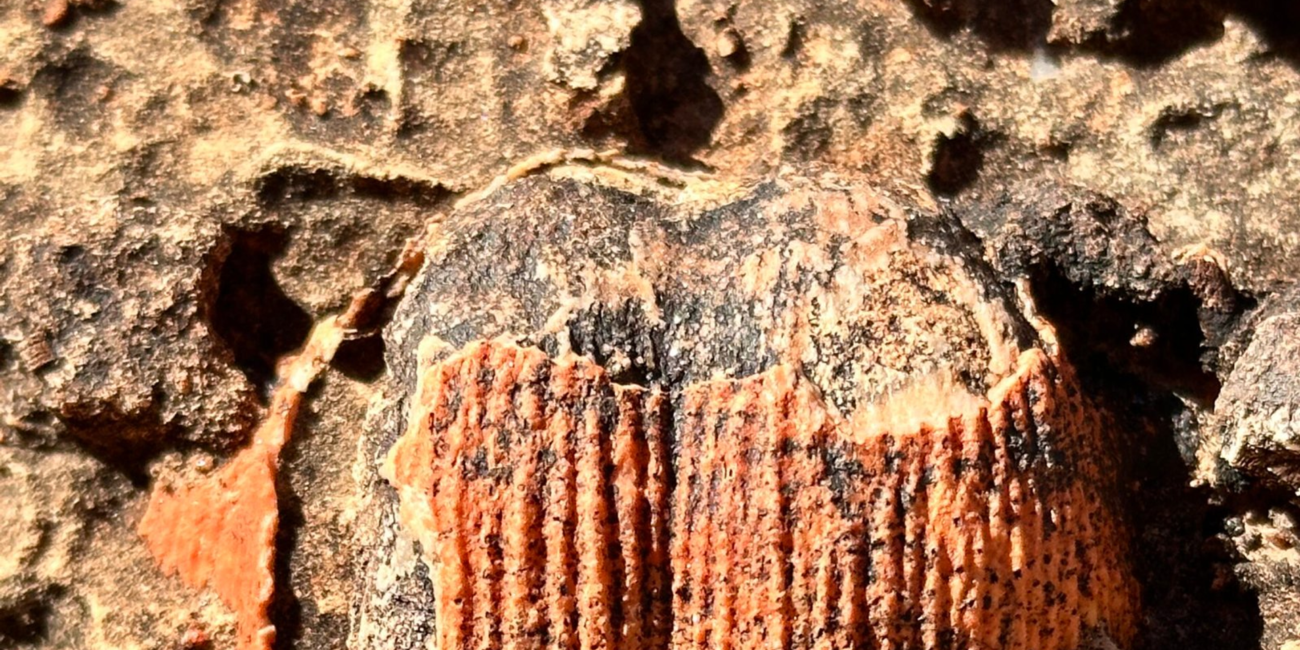
Facts, Science & Research
Use quick facts for orientation, then go deeper into ongoing research on geology, ecology, paleontology, archaeology, climate, hydrology and visitor use. Grand Canyon continues to be studied precisely because so many natural and cultural systems intersect here.