
Archaeology at Grand Canyon
Grand Canyon preserves far more than geology. Archaeological sites record thousands of years of human travel, settlement, ceremony, subsistence and adaptation in one of North America's most dramatic landscapes.
A long human record
Archaeological evidence documents thousands of years of human presence, travel, settlement and cultural activity in and around Grand Canyon, with traditions and communities continuing into the present.
Thousands of resources
More than 4,300 archaeological resources have been recorded, even though intensive archaeological survey has covered only a small percentage of the park. Sites include habitation areas, structures, rock imagery, artifact scatters, trails and other cultural remains.
Living heritage
For Grand Canyon’s traditionally associated tribes, archaeological places are not simply objects of academic study. They are parts of ancestral landscapes, histories and identities that remain culturally meaningful today.
Archaeology in a changing river corridor
Between 2007 and 2009, the National Park Service and Museum of Northern Arizona carried out major excavations at nine eroding archaeological sites along the Colorado River corridor. The work helped document cultural resources affected by changing sediment conditions downstream of Glen Canyon Dam.
Leave artifacts and structures exactly where they are
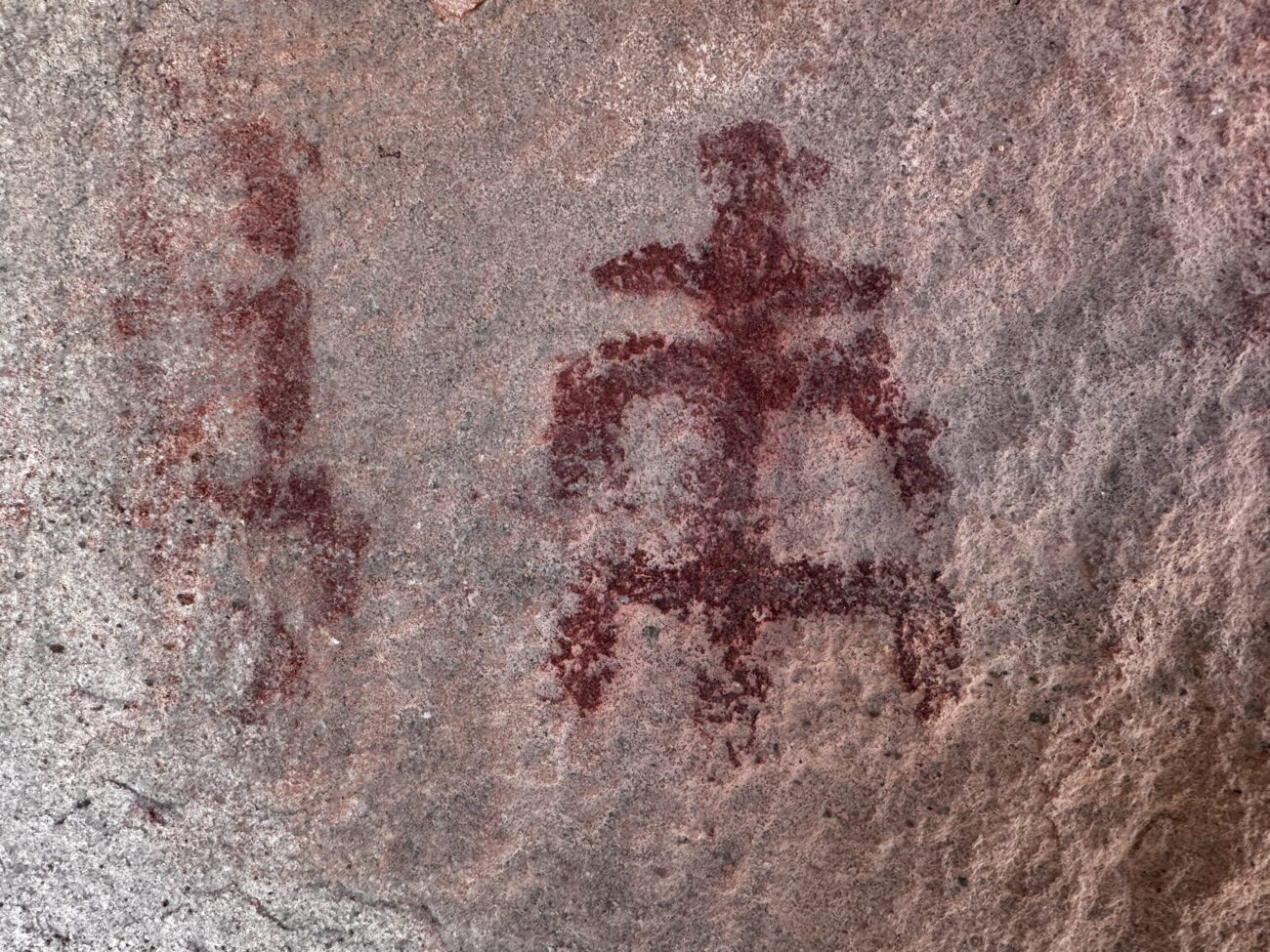
Archaeological resources are protected by federal law. Do not collect artifacts, move pottery fragments, climb on walls, touch or trace rock imagery, or disturb historic structures. If you discover something unusual, photograph it in place without handling it and report the location to park staff.
What Archaeologists Actually Find
Grand Canyon archaeology includes structures, camps, trails, artifact scatters, rock imagery, food remains and other evidence of how people moved through and lived within the canyon. NPS records span cultural periods from Paleo-Indian and Archaic communities through Ancestral Puebloan, Cohonina, Pai, Southern Paiute, Zuni, Hopi, Navajo and later Euro-American history.
Early Human Presence
NPS reports that the oldest known artifacts in the park are nearly 12,000 years old. The archaeological record shows that Grand Canyon was never simply an empty wilderness waiting for modern discovery.
Ancestral Landscapes
Structures and artifact concentrations make the most sense when understood as parts of travel routes, water sources, farming areas and sacred landscapes rather than isolated museum objects.
Research in a Living Park
Only a fraction of the park has been intensively surveyed. New research, erosion monitoring and preservation work continue to refine what is known while protecting sites from damage and looting.
Tusayan Pueblo Archaeology Site
About three miles west of Desert View, Tusayan Pueblo preserves the remains of a small Ancestral Puebloan village beside a self-guiding trail. For the 2026 season, NPS lists the site as open April 2 through October 31, Thursday through Monday, 8 a.m. to 4 p.m. It is one of the clearest places on the South Rim to connect archaeology with the living cultural landscape.
Context Is Part of the Artifact
Moving a potsherd or stone tool—even a short distance—can destroy information about how it relates to a structure, surface or other material. Photograph objects where they lie, leave them untouched, and report significant discoveries to park staff rather than carrying them away.