

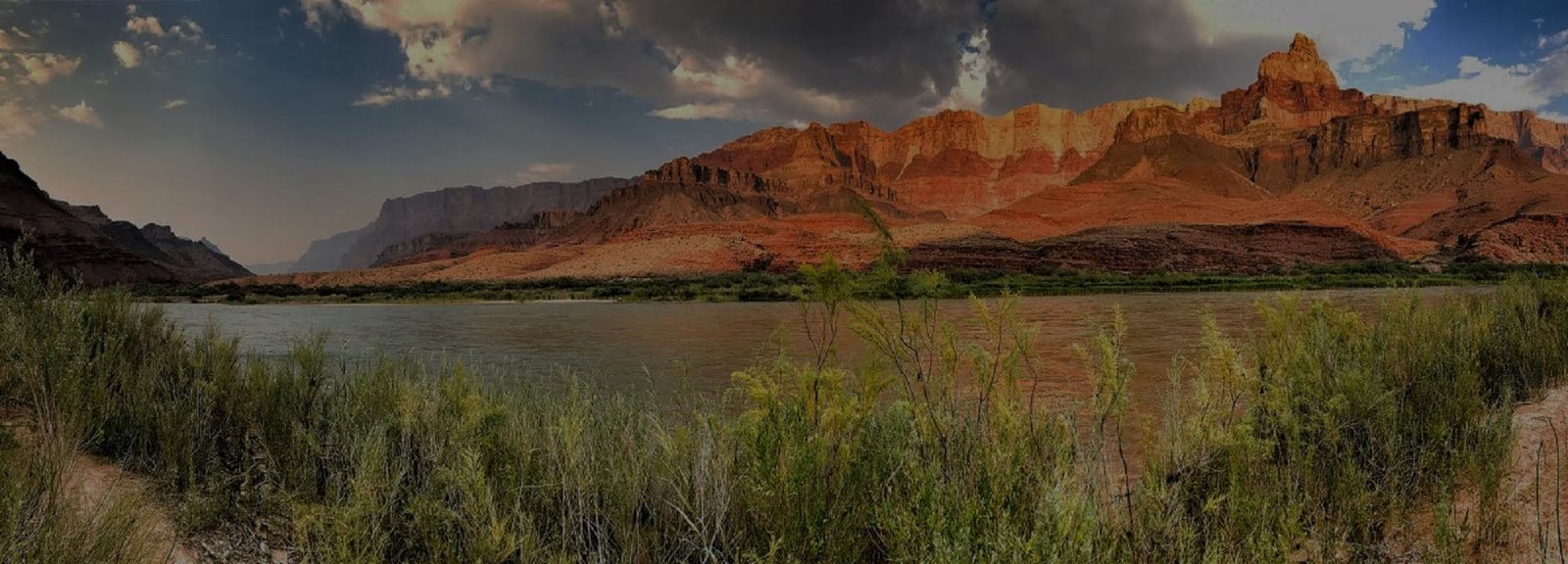
River Hiking Exchanges
A hiking exchange lets some river passengers enter or leave a Grand Canyon river trip on foot while the rest of the expedition continues by boat. It can shorten or divide a river itinerary, but it also combines two demanding systems at once: river scheduling and serious inner-canyon hiking.
Two Itineraries Meet at One Place
The river party has a fixed downstream schedule. The hiking group has trailhead transportation, heat, elevation change, water and pace to manage. An exchange works only when those two timelines meet reliably at the river.
The Main Trails Carry the Hiking Load
Bright Angel, South Kaibab and North Kaibab form the principal corridor system connecting the rims with the Colorado River and the Phantom Ranch area. Which route is usable depends on current trail, bridge and facility status as well as the specific river itinerary.
Pack for the Hike, Not Just the Boat
Passengers need to meet the operator's baggage limits while still carrying the water, food, sun protection, footwear and other essentials required for the trail. The hike is not simply transportation between a vehicle and a raft.
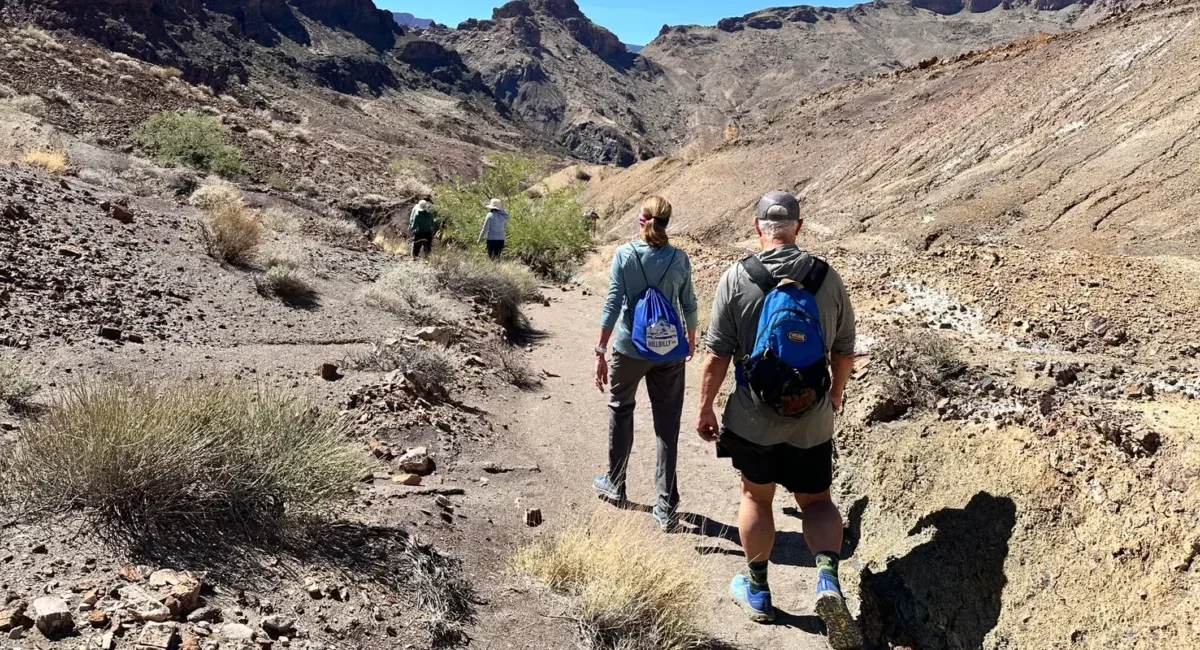
Hiking Exchanges Require Same-Day Verification
Following the August 29 flash flood, hiking exchanges require same-day verification. Current NPS guidance lists Bright Angel Trail open to River Resthouse, South Kaibab Trail open only to Tip-Off, and the Tonto Trail open between Tip-Off and Havasupai Gardens. The entire North Kaibab Trail, Black Bridge, Silver Bridge and Phantom Ranch remain closed. Confirm your exact trail and river connection with the live NPS hiking messages, current alerts and your outfitter before relying on any rim-to-river exchange.
Build the Exchange Backward From the River
A successful exchange is not built by choosing a trail first. Start with the river itinerary and the approved exchange point, then work backward through transportation, trail conditions and the physical demands on the hiking party.
1. River Timing
Know when the boats are expected at the exchange area and what delay margin the operator allows. A hiking group that misses the river schedule creates a much larger problem than a late hotel check-in.
2. Trail Reality
Check closures, water, bridge access, heat and construction immediately before the hike. A route that worked for last year's exchange may not be available today.
3. Rim Transportation
The entering or exiting hikers still need vehicles or shuttles at the correct rim trailhead. Solve the rim-side transfer before the river trip begins rather than after the exchange party separates.
Choose the Trail Only After the Exchange Is Confirmed
Once your operator confirms that a hiking exchange is possible, compare Bright Angel, South Kaibab and North Kaibab by current access, elevation change, water, exposure and transportation. The trail is one part of a larger river operation.