
How Many Days Do You Need at the Grand Canyon?
For most first-time visitors, this question means how much usable sightseeing time you have at the South Rim. A few hours can still be worthwhile, but seeing the canyon and experiencing it are different things. Two genuinely usable days is the sweet spot for most first visits: enough time for the major scenic corridors, a sunrise or sunset, a museum or historic stop, and a short hike without rushing. Not sure the South Rim is right for your trip? Choose your rim first.
Half Day
Keep the visit compact. Prioritize one village-area viewpoint cluster, a short section of Rim Trail and one additional stop that fits your arrival point and remaining daylight. Do not try to cover both scenic corridors.
One Full Day
Best for a road trip with limited time. Focus on Grand Canyon Village, Mather or Yavapai Point, a section of Rim Trail, and either Hermit Road or Desert View Drive. Do not try to add the North Rim or a river-to-rim hike.
Two Days
Best first-time itinerary. Use one day for the Village, Rim Trail and Hermit Road. Use the second for Desert View Drive, museums, sunrise or sunset, and a conservative hike below the rim if conditions are appropriate.
Three Days
Adds flexibility for weather and crowds. You can slow down, hike longer, bike, join ranger programs, photograph different light, spend time at historic sites, or add Tusayan and nearby Northern Arizona attractions.
Already at the Canyon Today?
If you are already in the park, the useful question is not how many days a perfect trip needs—it is what fits the hours you still have. Use the Today at the Grand Canyon page to check live trail and water conditions, weather and transportation, then choose a compact few-hours plan, a one-day loop or an overnight strategy.
Give Inner-Canyon Trips More Time
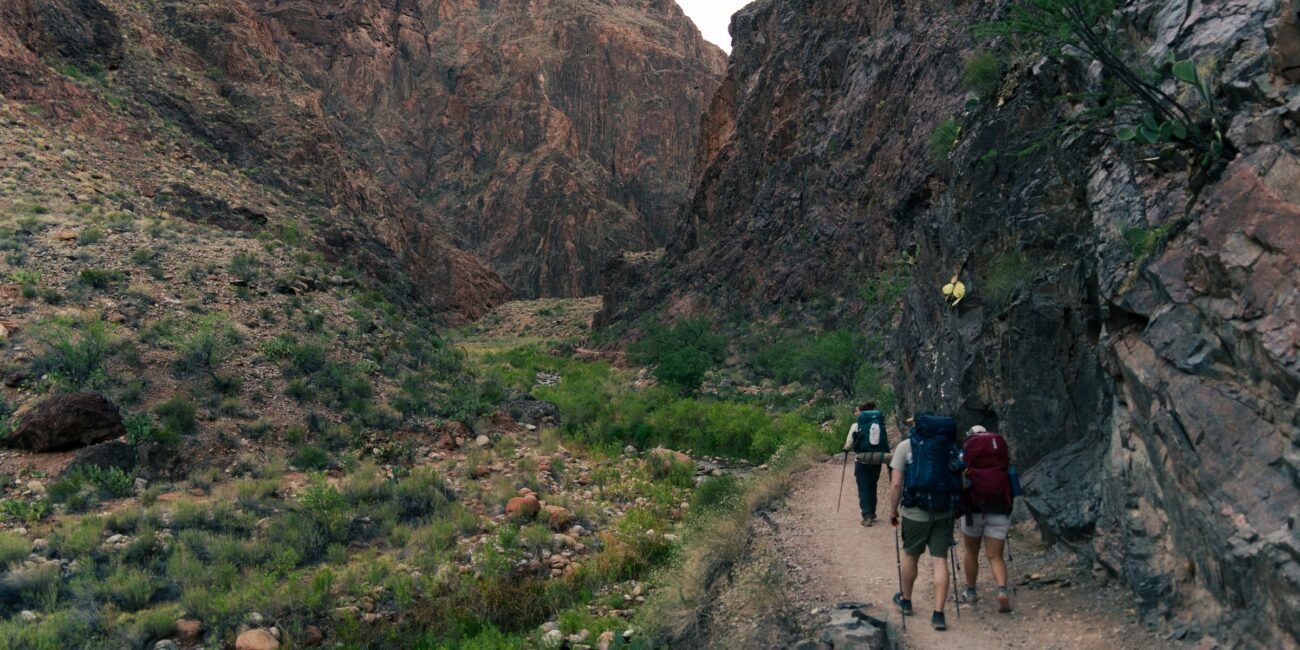
A serious day hike should not be squeezed between a long drive in and a long drive out. Build in time to acclimate, start early, recover afterward and adjust for heat, storms or changing trail conditions. Backpacking trips need permits and dedicated itinerary days. If traditional rim-to-rim travel is part of the plan, check the live NPS Key Hiking Messages before committing days, lodging or transportation to the crossing.
Avoid the Overstuffed Itinerary
The canyon rewards changing light and unhurried observation. Driving from viewpoint to viewpoint all day can produce more windshield time than experience. Leave room for a shuttle delay, an unexpectedly good overlook, a ranger talk, lunch, weather, or simply sitting at the rim.
If You Are Staying Outside the Park
Add drive time to your day. Tusayan is close. Williams and Flagstaff require substantially more commuting. An extra hotel night closer to the rim can be worth more than adding another attraction.
Build a Regional Loop Without Shortchanging the Canyon
Once you have four or more days, the trip can expand naturally into northern Arizona rather than simply adding more South Rim stops. Keep the Grand Canyon as a dedicated one- to three-day block, then connect geographically sensible destinations such as Flagstaff, Sedona, Page or Williams. Avoid treating the canyon as a quick detour between distant Southwest stops.
Ready-Made Itineraries
Use our itinerary page for practical one-, two- and three-day schedules, plus family, hiking, photography and winter variations.