

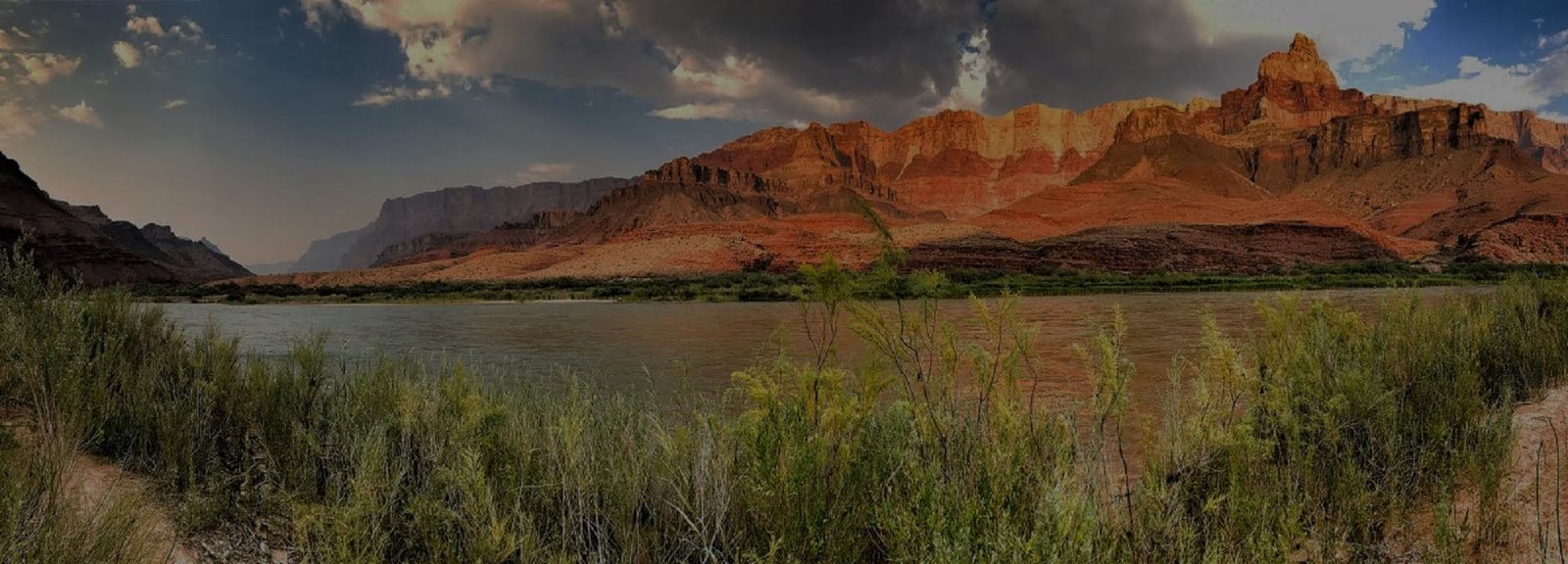
Grand Canyon Entrance Fees & Passes
Grand Canyon National Park does not currently require timed entry or an entrance reservation, but an entrance pass is required. The same national park pass covers both the South Rim and North Rim during its valid period. Grand Canyon West and Havasupai are separate tribal destinations with separate admission or permit systems.
$35 Private Vehicle
Valid for one private, noncommercial vehicle and its occupants for seven consecutive days at Grand Canyon National Park.
$30 Motorcycle
Valid for up to two private, noncommercial motorcycles with up to four total passengers for seven consecutive days.
$20 Individual
For a person age 16 or older entering on foot, bicycle or similar noncommercial means. Valid for seven consecutive days.
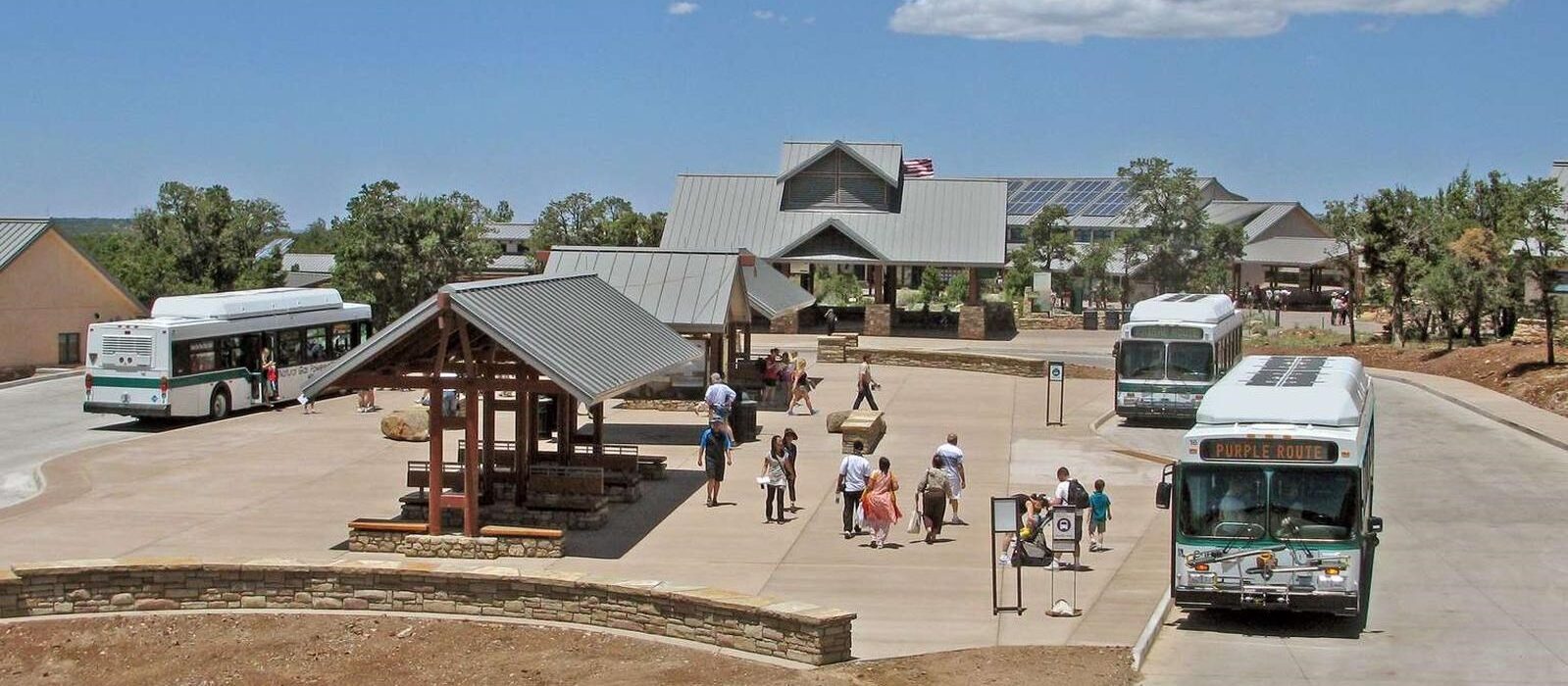
Grand Canyon Annual Pass — $70
For U.S. citizens and residents who expect to return to Grand Canyon National Park within 12 months. It covers Grand Canyon National Park entrance for one year from the month of purchase, but it is not a nationwide federal recreation pass.
America the Beautiful — $80 Resident Annual
For U.S. citizens and residents. This nationwide annual pass covers entrance fees and standard amenity fees at participating federal recreation sites. Senior, military, access, fourth-grade and volunteer passes may also apply to eligible visitors.
$250 Non-Resident Annual Pass
For non-U.S. residents. Beginning in 2026, this America the Beautiful annual pass can cover both the regular entrance fee and the additional nonresident fee at participating parks, including Grand Canyon. It can be especially valuable for parties visiting multiple U.S. national parks.
Non-U.S. Resident Fee
Each non-U.S. resident age 16 or older entering Grand Canyon National Park must pay an additional $100 nonresident fee on top of the standard entrance fee unless covered by a qualifying annual pass. The fee also applies to nonresidents entering with commercial tour groups. A $250 America the Beautiful Non-Resident Annual Pass can cover this surcharge and the regular entrance fee according to its terms.
Run the Math Before Paying Per Person
For a non-U.S. resident family or group, the $100-per-adult surcharge can add up quickly. Compare the total one-time Grand Canyon cost against the $250 nonresident annual pass—especially if your road trip also includes another national park that charges the same nonresident fee.
Grand Canyon Is Cashless
Grand Canyon National Park entrance stations operate cashless. Bring a credit/debit card or obtain a pass in advance. A digital or physical federal pass can simplify entry, but keep identification available when required for pass use.
What the Park Fee Does Not Cover
Entrance does not include lodging, food, mule rides, guided tours, commercial river trips, campground reservations or other fee-based services. Some special activities and backcountry trips require separate permits.
Grand Canyon West Is Separate
National park passes are not accepted at Grand Canyon West because it is owned and operated by the Hualapai Tribe, not the National Park Service. Tickets and packages are purchased through Grand Canyon West.
Do You Need to Reserve Entry?
No timed entry or vehicle entrance reservation is currently required for Grand Canyon National Park. That does not mean lodging, campgrounds, tours or permits are walk-up friendly—reserve those separately when your trip depends on them.