
Two-Day South Rim Itinerary
Two days is the sweet spot for many first-time visitors. You can experience both the western and eastern South Rim corridors, walk meaningful sections of the rim, add museums or a short hike, and still leave room for sunrise, sunset and changing weather. Check current lodging and park conditions before booking because availability and operations can change.
Two Calendar Dates Are Not Always Two Sightseeing Days
This itinerary works best when you have most of two usable days at the South Rim. A late-afternoon arrival plus an early departure is closer to one day with two overnights. If either end of the trip is heavily shortened by driving, flights or check-in, use the one-day itinerary for your main sightseeing day and treat the remaining hours as a flexible bonus. If you are already at the canyon, use Today at the Grand Canyon to decide what fits the time and conditions you actually have left.
Central South Rim + Hermit Road
Start with Mather Point, the Rim Trail and Yavapai Geology Museum, then spend late morning and lunch around Grand Canyon Village. In the afternoon, use Hermit Road for selected overlooks and finish with sunset if conditions cooperate. This keeps the first day mostly car-light once you are parked.
Optional Sunrise + Short Hike or Slow Start
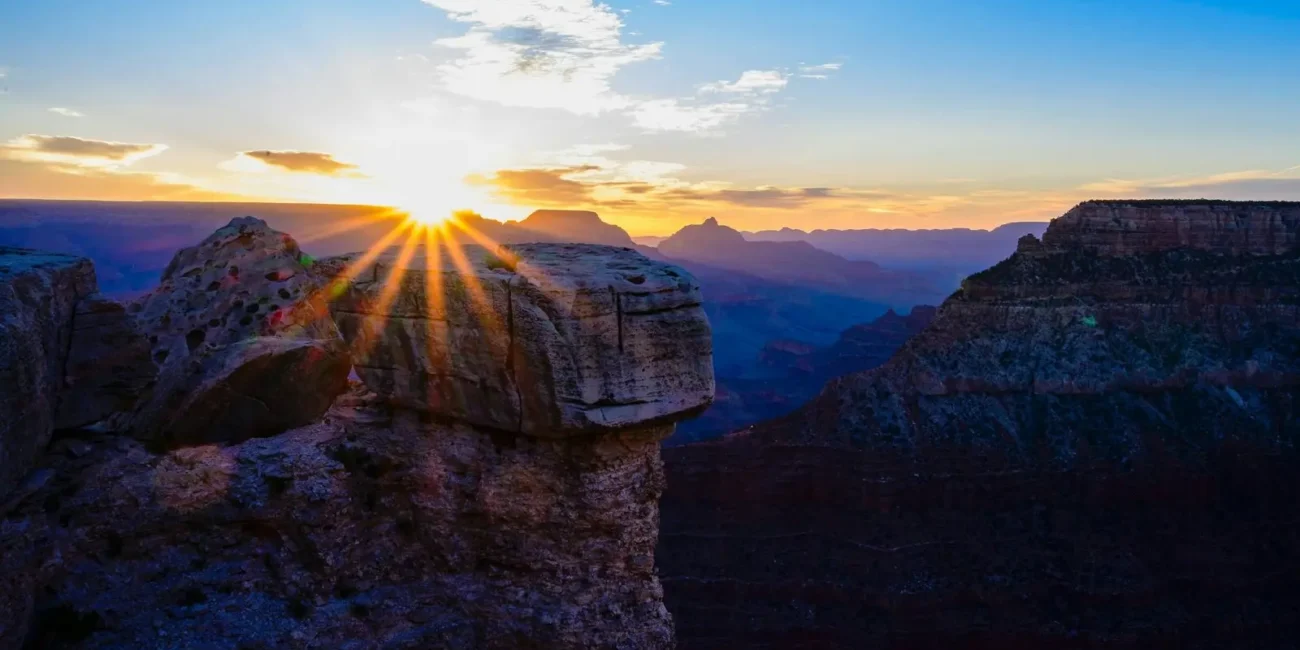
If you stayed close to the rim, sunrise can be worth the early start. Afterward, choose either a conservative below-rim hike or a slower breakfast and museum morning. Do not stack a demanding hike on top of a packed sightseeing schedule.
Desert View Drive
Drive east and stop selectively at major overlooks before reaching Desert View Watchtower. Because you are not trying to fit Hermit Road into the same day, you can actually spend time at the stops that interest you rather than using each overlook as a photo checkpoint.
Add History
Use Grand Canyon Village, Kolb Studio, historic architecture and museum stops to give the landscape human context instead of making both days purely scenic.
Add Geology
Walk more of the Trail of Time and spend longer at Yavapai Geology Museum so the canyon walls become more than distant color bands.
Add a Ranger Program
Check the current park calendar after arrival. Use programs as flexible enhancements, not as fixed anchors months in advance.
Add a Scenic Flight Only if the Aerial View Matters
A helicopter or airplane tour can add a perspective the rim cannot provide, but it should replace part of the sightseeing schedule rather than simply make the day longer. Compare actual flight time, route and departure point before deciding whether the experience is worth the trade.
Use a Guide When It Solves a Problem
A guided day can be worthwhile when interpretation, transportation or route decisions are the part of the trip you do not want to manage. If you already enjoy planning and driving, the two-day itinerary works very well independently.
You Get Two Different Canyons
Morning and evening light, weather changes, eastern and western viewpoints, and the contrast between historic village spaces and open scenic roads make a two-day visit feel much larger than simply doubling a one-day checklist.
Let the Hike Replace Something
A longer hike should take the place of part of the sightseeing day, not be added on top of it. Start early, preserve recovery time and accept that a great hiking day may mean fewer overlooks.
Swap Days Without Losing the Trip
Use clearer weather for Desert View, sunrise, sunset and longer walks. Use stormier or colder periods for museums, historic buildings and shorter central-rim outings. Before each day begins, use Today at the Grand Canyon to check weather, roads, parking, shuttles and current conditions.
If You Can Choose Between One and Two Days, Choose Two
The second day does not merely add attractions. It removes pressure from the first. That usually produces a more memorable Grand Canyon experience.