Visit the Grand Canyon
A Grand Canyon visit starts with a few decisions that shape everything else: which part of the canyon you are visiting, when you are coming, how much time you have and what kind of day you want. Start here for the practical guidance that helps a real visit work without exposing every possible detail at once.
Inner-Canyon Closures & South Rim Lodging Restrictions
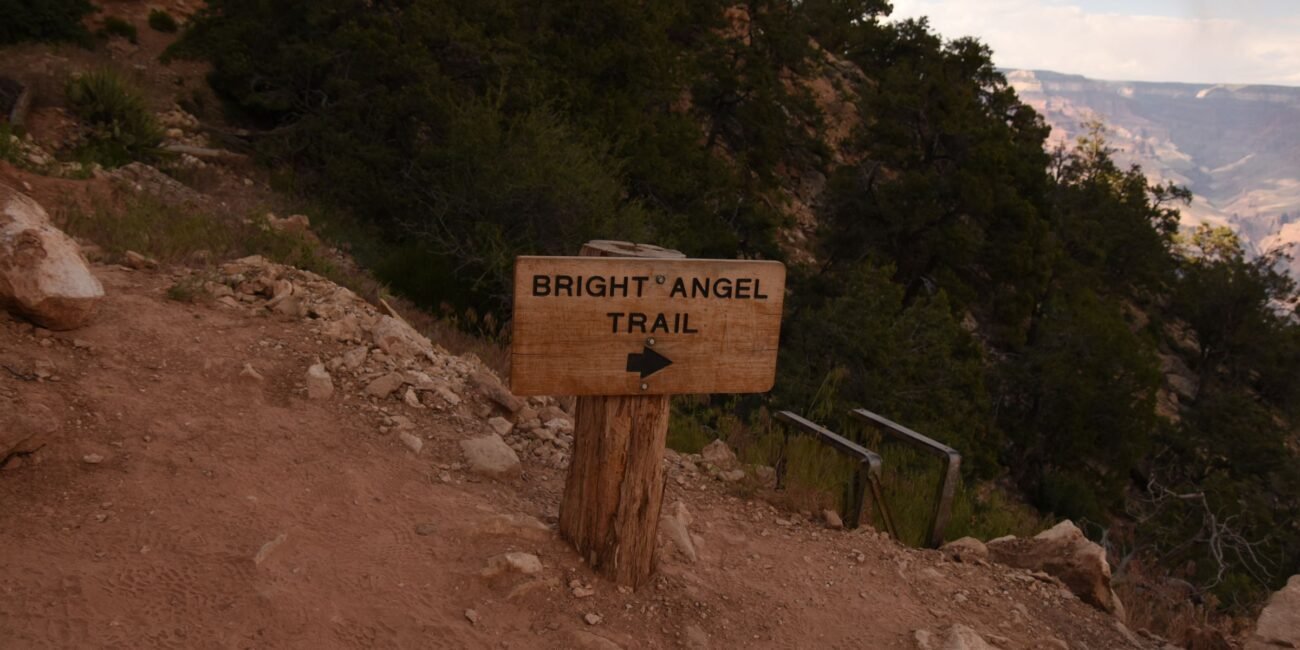
Current NPS hiking guidance lists Bright Angel Trail open from the South Rim to River Resthouse, Plateau Point Trail open to Plateau Point, South Kaibab Trail open only to Tip-Off, and the Tonto Trail open between Tip-Off and Havasupai Gardens. Phantom Ranch, Bright Angel Campground, Black Bridge, Silver Bridge, the entire North Kaibab Trail and South Kaibab below Tip-Off remain closed. South Rim overnight concession lodging also remains closed during water-system recovery. Check live hiking messages and current conditions before relying on any below-rim or overnight plan.
First-Time Visitor Guide
Get the essentials in one place: which rim to choose, where to enter, what needs reservations, and the mistakes that cost visitors the most time.
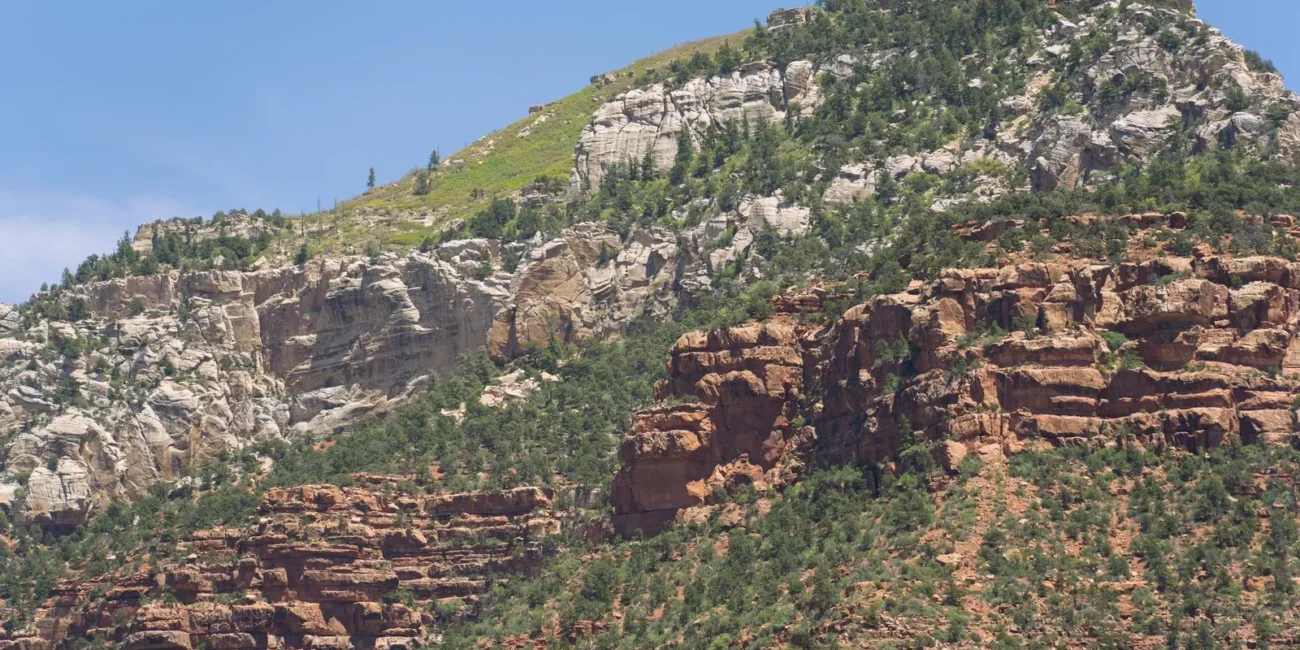
Choose the Right Rim
Compare the South Rim, North Rim and Grand Canyon West by scenery, access, crowds, lodging, driving time and the kind of trip each does best.
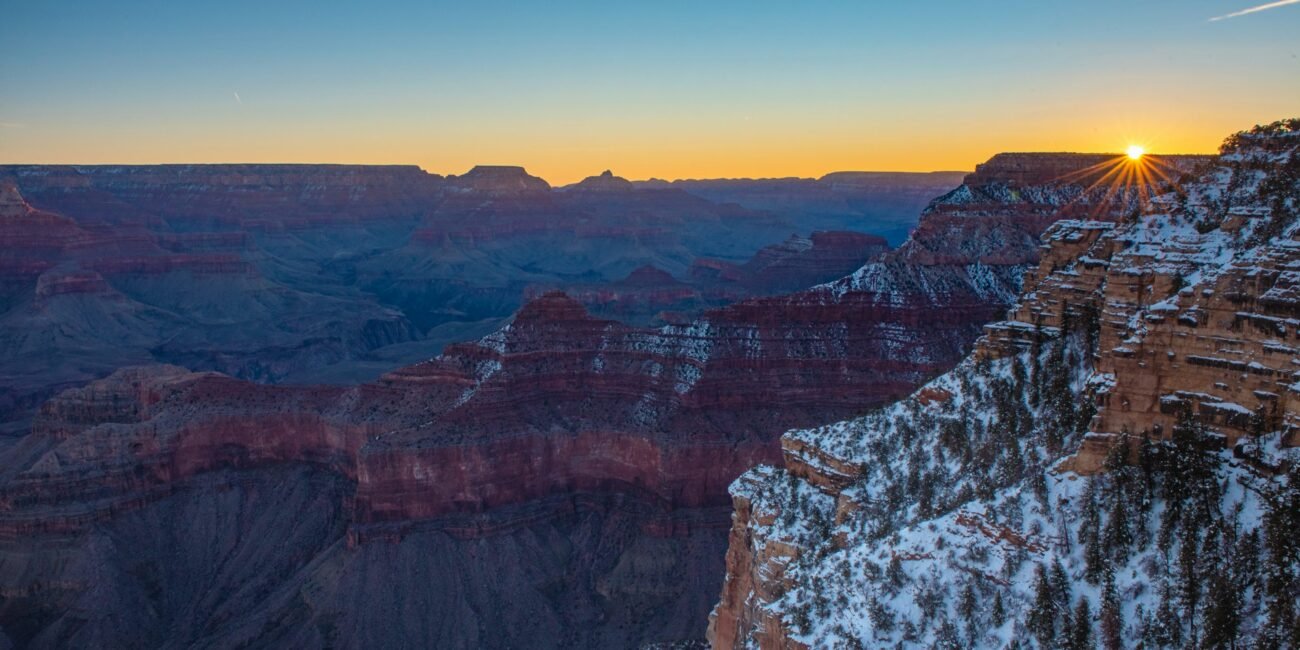
When to Visit
See what spring, summer, fall and winter are really like at the rim and inside the canyon, including heat, snow, thunderstorms and seasonal service changes.
Build a Trip That Fits
A good Grand Canyon itinerary is less about checking boxes and more about matching time, mobility, season and interests to the right places. Use these guides in order and you can avoid backtracking, long waits and unrealistic day plans.
How Many Days?
Choose by usable sightseeing time at the South Rim, not simply the dates on your reservation. About 3–5 hours fits a focused half-day; roughly 6+ usable hours supports a full-day plan; two genuinely usable days gives the major scenic corridors room to breathe.
Itineraries
Use ready-made one-, two- and three-day frameworks, then customize them for families, hikers, photographers, winter visits or travelers arriving from Phoenix, Flagstaff, Las Vegas or Page.
Getting Here
Grand Canyon Village is remote. Driving is simplest for most visitors, but trains, shuttles and guided transportation can work well. Know which entrance you need before navigation apps send you the long way around.
Plan the Experience, Not Just the Drive
A few smart choices about rim, timing, transportation and where you sleep will shape everything that follows. Once you know the rim and time available, choose an overnight base before filling the trip with activities.
The Practical Details Matter
Grand Canyon National Park does not currently require timed entry or an entrance reservation. The South Rim is open year-round. The park is cashless for entrance fees, and the free South Rim shuttle system can save substantial time during busy periods. The North Rim is seasonal and services can be limited, so current conditions matter more there than almost anywhere else in the park.
Live Visitor Information for Today
Weather, road status, closures, trail notices and facility operations can change after a trip is planned. Check the live resources shortly before you leave and again on the day you enter the canyon.
Park Alerts & Closures
Official National Park Service alerts, facility status, road updates, hiking notices and North Rim information.
Grand Canyon Weather
Compare live South Rim, North Rim and inner-canyon conditions and see how elevation changes the forecast.
Here Today?
Already at the Grand Canyon? Use the Today page for current conditions, live weather, parking and shuttles, maps, and a realistic plan based on the time you still have.
Make the Canyon Work for You
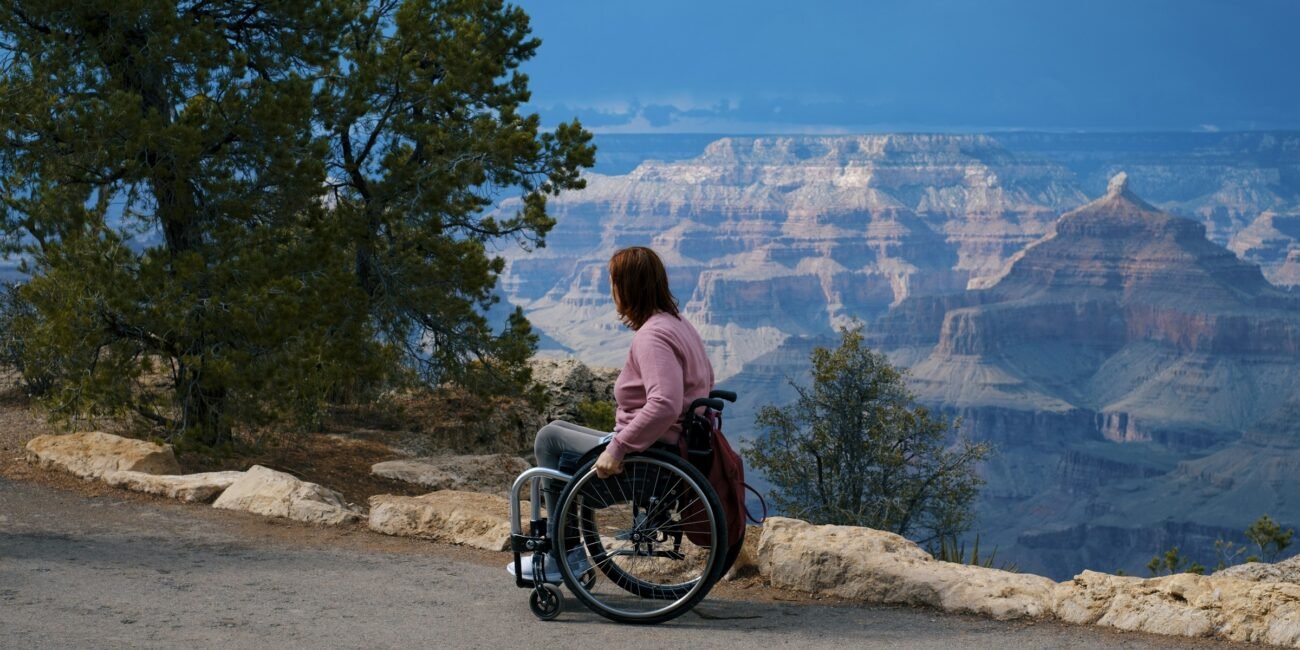
Rim paths, shuttle buses, scenic drives, museums, overlooks and ranger programs make the canyon accessible to far more visitors than the steep inner-canyon trails might suggest. Use these resources to understand the landscape, get oriented and choose an experience that fits your group.
Maps
Accessibility