

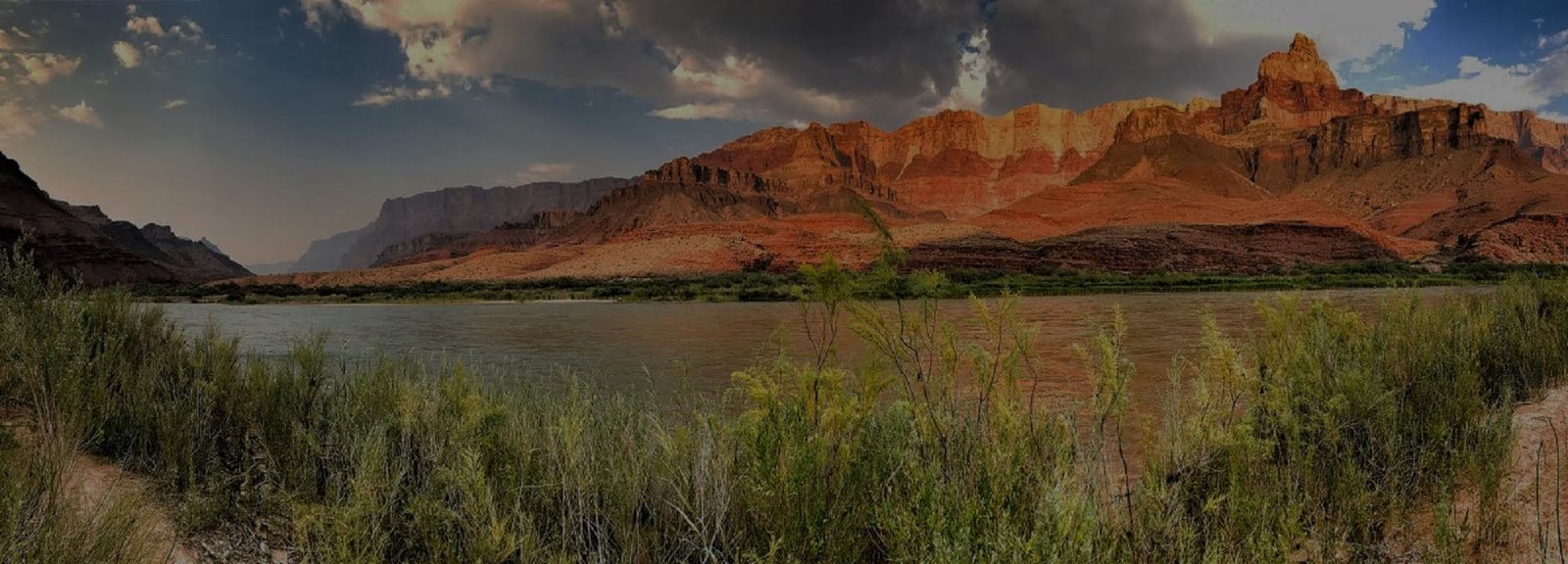
Sunrise or Sunset: Which Is Better?
Both can be extraordinary, and neither requires finding one magical viewpoint. Sunrise usually offers quieter paths and a calm start to the day. Sunset is easier to fit into most itineraries and often brings stronger social energy, changing clouds and dramatic late light. Your schedule matters more than chasing a universal 'best' overlook.
You Want Quiet and a Head Start
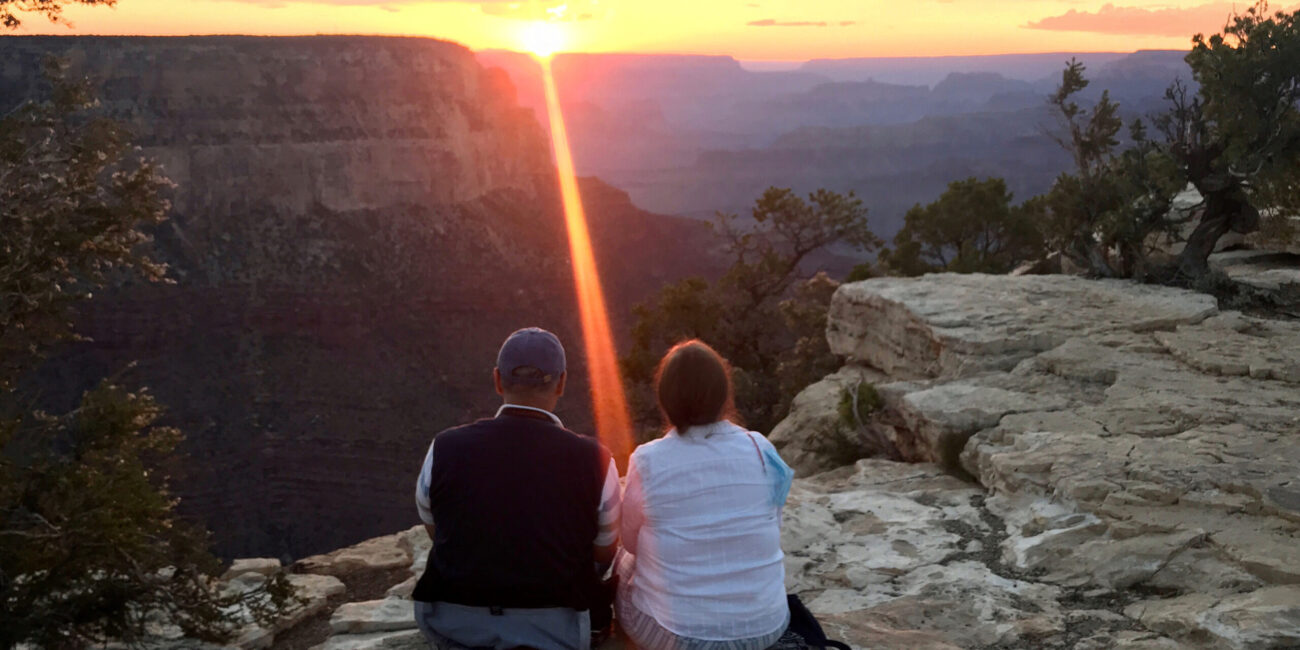
Sunrise is especially good for travelers staying very close to the rim. You can watch the canyon wake up, then move directly into breakfast, a hike or sightseeing before the busiest part of the day. The tradeoff is an early alarm and cold temperatures at many times of year, so choose lodging that keeps the pre-dawn drive realistic.
Why Sunrise Works
Crowds are often lighter, parking can be easier, and the cooler start is useful if the rest of your day includes walking or hiking. Morning haze, clouds and winter snow can create very different moods from the familiar orange sunset photographs.
Your Lodging Location Matters
A sunrise plan becomes much less attractive if it requires a long pre-dawn drive from a distant hotel. For short trips, the cost of staying close to the rim may buy back the most valuable light of the day.
You Want the Easiest Dramatic Finish
Sunset fits naturally after a full sightseeing day and gives you time to adjust the location based on clouds, crowds and energy. It is also easier for families and travelers who do not want to start before dawn. Expect popular overlooks to be busier and plan the trip back after dark.
Arrive Early Enough to Watch the Change
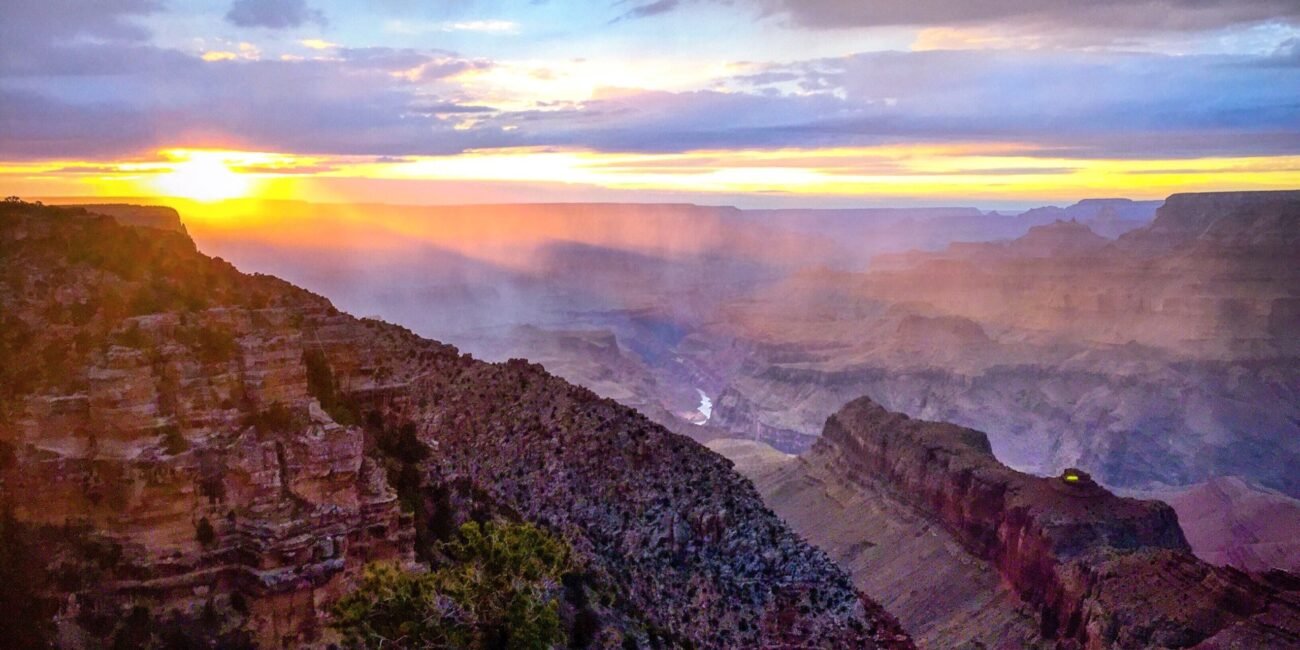
The most rewarding part of sunrise or sunset is often the transition itself. Give the canyon time. Watch shadows move across side canyons and buttes instead of arriving for a single photograph at the exact published sun time.
For Photographers
Scout compositions before the best light, then stay after the sun crosses the horizon. Clouds can matter more than compass direction, and reflected light can remain beautiful after direct light fades.
For Families
Sunset is usually easier unless your children naturally wake early. Keep warm layers, snacks and a simple return plan so the experience does not end with an exhausted search for transportation.
For Hikers
Sunrise can serve as the beginning of the hiking day rather than a separate event. Avoid sacrificing a safe trail start merely to reach a distant overlook first.
Stay Close? Do Both. Short on Time? Pick the One That Fits.
If you are staying at the rim for two nights, experiencing one sunrise and one sunset is worth it. If you have only a day, choose the light event that naturally fits your arrival, departure and energy rather than distorting the entire itinerary around it.