
Science & Research at Grand Canyon
Grand Canyon is one of the most studied landscapes in the world. Geologists, biologists, archaeologists, hydrologists, climate scientists and social scientists all use the park to investigate questions that matter both locally and far beyond the canyon.
Earth science
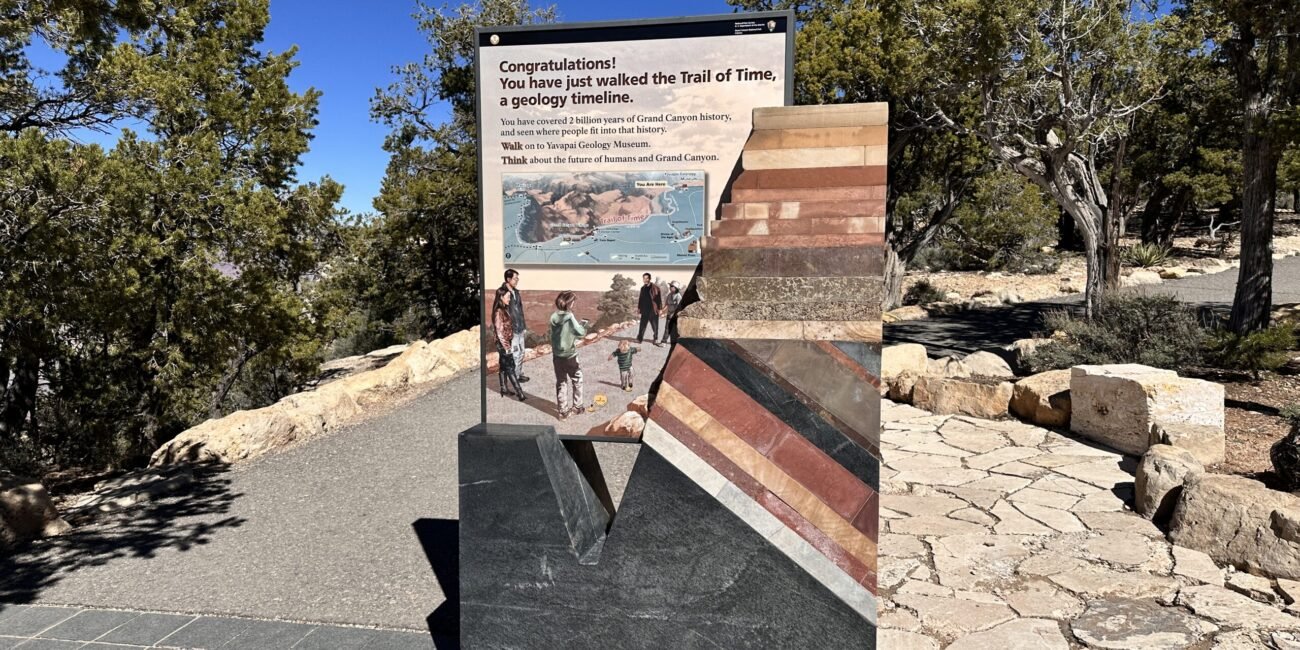
Grand Canyon exposes a remarkable record of rock, faulting, uplift, erosion and landscape change. Researchers continue to study the Colorado River corridor, canyon geology, caves, fossils and geologic hazards.
Ecology & wildlife
Studies examine forests, fire, endangered species, native fish, invasive organisms, springs, climate, air quality and the ecological effects of changing river flows.
Cultural resources
Archaeology, historic preservation, ethnography and museum collections help document and protect the human history of the canyon while supporting collaboration with traditionally associated tribes.
More than 80 projects each year
The National Park Service reports that Grand Canyon hosts more than 80 research projects annually. Studies must be reviewed and permitted so scientific work can advance knowledge without harming the resources and visitor experiences the park was established to protect.
Where to find current Grand Canyon science
Visitors interested in deeper research can explore NPS resource-management pages, the Grand Canyon Research Library and Museum Collection, the Glen Canyon Dam Adaptive Management Program, and USGS Grand Canyon Monitoring and Research Center publications.
What Scientists Are Watching
Grand Canyon research is not detached from the visitor experience. Studies help managers understand how river operations affect beaches and fish, how fire changes forests, how archaeological sites erode, how heat affects hikers, and how wildlife and vegetation respond to changing conditions.
Sediment, Fish & Flow
The USGS Grand Canyon Monitoring and Research Center studies how Glen Canyon Dam operations affect sediment, sandbars, native fish, riparian vegetation and other river resources. This work helps inform adaptive-management decisions.
Archaeology & Erosion
Researchers monitor archaeological sites, document newly recognized resources and study how erosion, river conditions and visitation affect cultural material. Scientific work is carried out alongside consultation with traditionally associated Tribes.
Forest, Wildlife & Climate
Fire ecology, endangered species, springs, invasive organisms, heat, air quality and forest change are all part of the park's research portfolio. These studies connect long-term ecosystem change with immediate management choices.
Science Directly Shapes Management
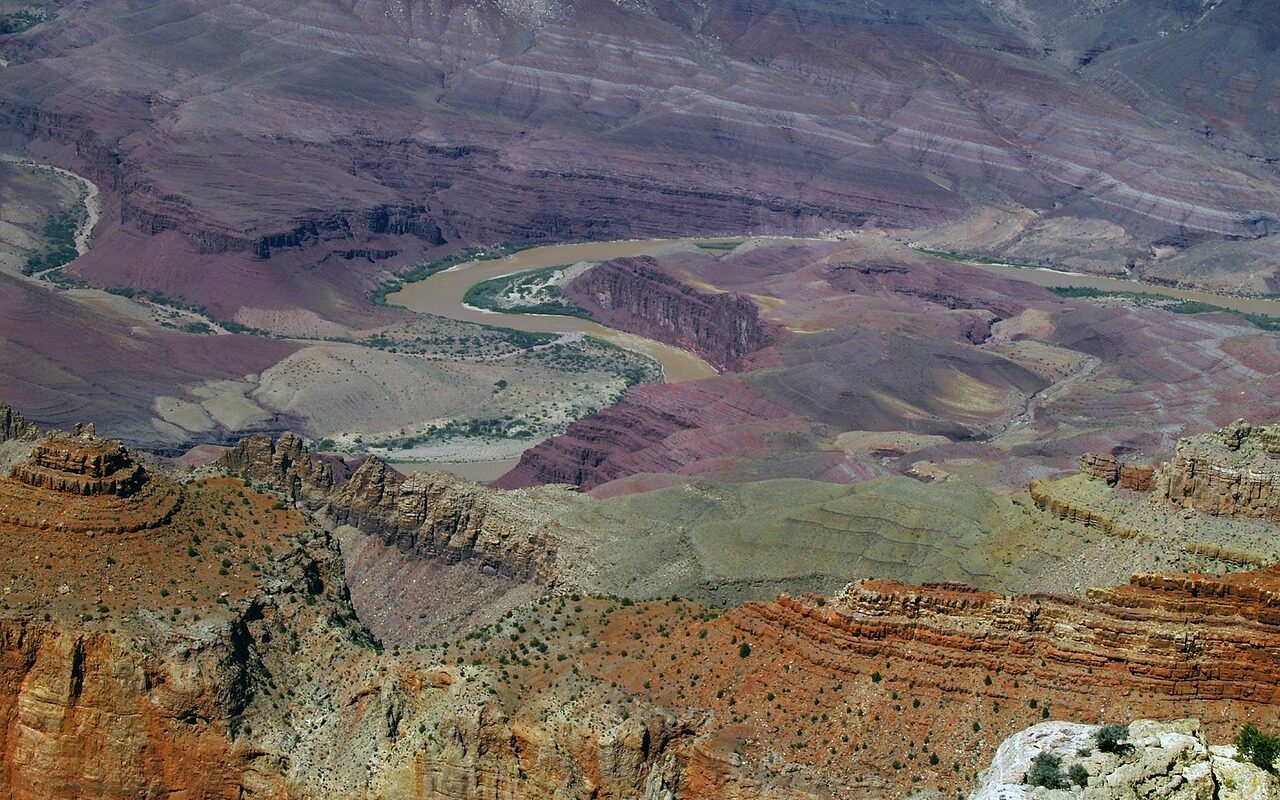
Glen Canyon Dam changed the Colorado River's flow, temperature and sediment system. Long-term monitoring now measures those effects so managers can evaluate experimental flows and other actions intended to protect downstream natural, cultural and recreational resources.
Follow the Primary Sources
For current work, start with National Park Service research-permit and report pages, then use USGS Grand Canyon Monitoring and Research Center publications for river science. The park's research library, museum collection and project reports provide a deeper record than most general travel sites can offer.