
Grand Canyon History
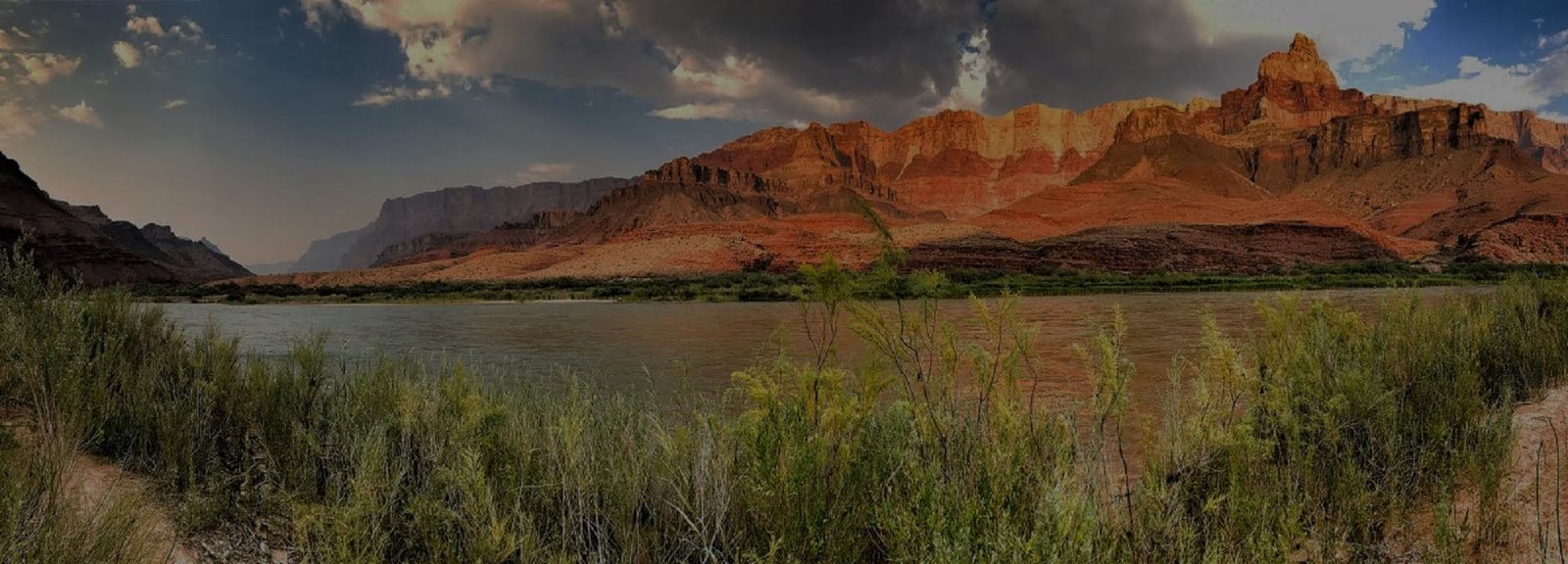
Grand Canyon history is much larger than the story of a national park. Native peoples have lived in, traveled through and maintained relationships with the canyon for thousands of years. Later came Spanish expeditions, miners, entrepreneurs, photographers, railroad workers, architects, conservationists and millions of visitors.
Before 1540
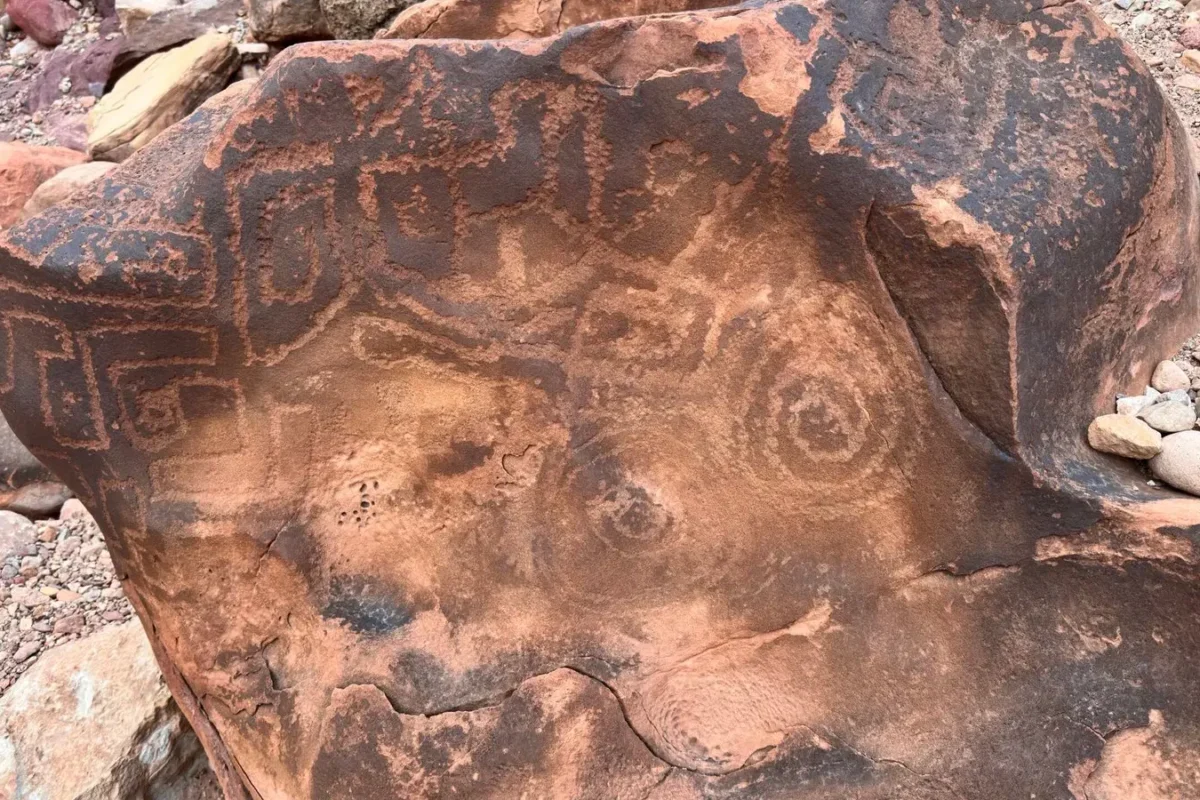
Indigenous peoples had already lived in and around Grand Canyon for many generations, leaving archaeological evidence and maintaining cultural traditions that continue today.
1540
Soldiers led by García López de Cárdenas, part of the Coronado expedition and guided by Hopi people, became the first Europeans known to have seen Grand Canyon.
1869–1901
John Wesley Powell’s river expedition brought national attention to the canyon. Mining and tourism grew, and the Santa Fe Railway reached the South Rim in 1901.
1919–Today
Grand Canyon became a national park on February 26, 1919, and a UNESCO World Heritage Site in 1979. Protection, research and visitor access continue to evolve.
Railroad, Harvey Houses and a growing village
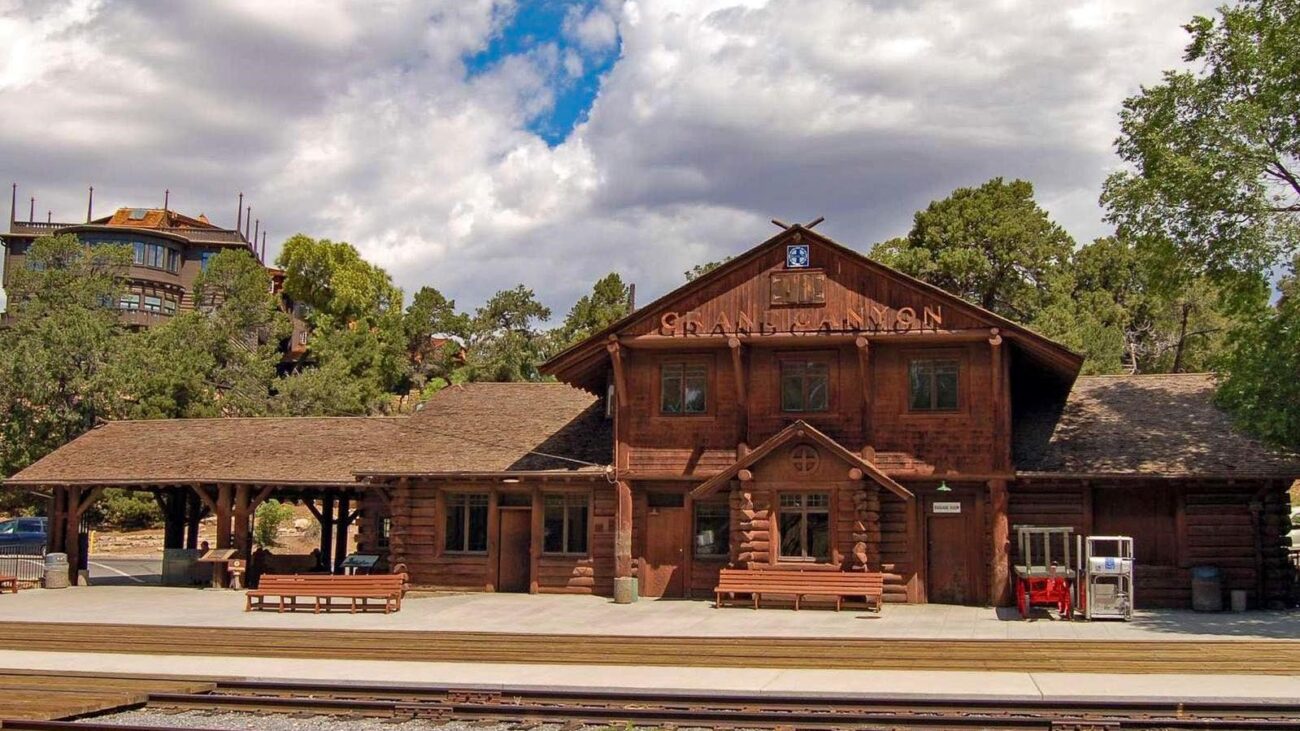
The arrival of the railroad in September 1901 transformed the South Rim. The Santa Fe Railway and Fred Harvey Company developed hotels, shops and visitor services, while independent entrepreneurs, photographers and guides created businesses around the growing tourism economy. Many of today's most recognizable historic buildings date to this era.
Where to See Grand Canyon History
Grand Canyon history becomes easier to understand when you connect it to places you can still visit. The South Rim Village, Desert View, the railway and the Colorado River each preserve a different chapter.
Grand Canyon Village
Walk between El Tovar, Hopi House, the train depot, Bright Angel Lodge, Lookout Studio and Kolb Studio to see how tourism, architecture, transportation and entrepreneurship shaped the modern South Rim. Many of these buildings are still functioning rather than preserved as empty monuments.
Desert View
Desert View combines older Indigenous history, the nearby Tusayan Pueblo archaeological site, Mary Colter's twentieth-century Watchtower and present-day Tribal cultural interpretation. It is one of the strongest places to see multiple periods overlap.
Grand Canyon Railway
The railroad reached the South Rim in 1901 and dramatically changed access, lodging and visitor services. Today's train still arrives at the historic depot, making transportation history part of a modern visit.
Colorado River Corridor
The river carries its own history of Indigenous travel, exploration, surveying, mining, river-running and changing ideas about conservation. Looking at the canyon from the river tells a very different human story than standing on the rim.
Grand Canyon History Does Not Begin in 1540
European expeditions are important to the written historical record, but they arrived in a landscape already known, named, traveled and inhabited by Native peoples. Use the Indigenous Peoples and Archaeology sections alongside explorer, railroad and national-park history rather than treating them as separate prefaces.
Four Ways to Explore the Story
A visitor can approach Grand Canyon history through Indigenous continuity, transportation and tourism, architecture, or river exploration. Following one theme across several places usually creates a more memorable story than trying to absorb an entire chronology at once.