
Grand Canyon Frequently Asked Questions
These are the questions visitors ask most often before a Grand Canyon trip. For anything time-sensitive—closures, weather, road conditions, water availability or seasonal operations—use the linked current-condition resources before you travel.
01 Do I need a reservation to enter Grand Canyon National Park?
No timed-entry or vehicle entrance reservation is currently required. You do need a valid entrance pass. Lodging, campgrounds, tours and certain permits are separate and can require advance reservations.
02 Which rim is best for a first visit?
For most first-time visitors, choose the South Rim. It is open year-round and has the most viewpoints, visitor services, museums, historic sites, trails and shuttle options. The North Rim is quieter and seasonal, and in 2026 it has major recovery limitations including no in-park lodging or potable tap water. If your North Rim plan depends on inner-canyon hiking, check the live NPS Key Hiking Messages before travel. Grand Canyon West is a separate Hualapai-operated destination.
03 How many days should I spend?
One full day can cover the classic South Rim highlights. Two days is ideal for most first-time visitors. Three or more days allows longer hikes, guided activities, photography, biking and nearby destinations without rushing.
04 How much does Grand Canyon National Park cost?
Current seven-day base fees are $35 per private vehicle, $30 per motorcycle and $20 per individual entering on foot or bicycle. In 2026, NPS also lists an additional $100 fee for each non-U.S. resident age 16 or older unless covered by an applicable pass; a $250 America the Beautiful Non-Resident Annual Pass is available. Grand Canyon West and Havasupai have separate Tribal fees and permit systems.
05 Is the South Rim open in winter?
Yes. The South Rim is open year-round, although snow and ice can affect roads, trails and services. The North Rim normally closes to regular vehicle traffic in winter.
06 Is the North Rim open in 2026?
Yes. North Rim roads and selected developed areas are open in 2026 after the Dragon Bravo Fire, but this is not a normal season. There is no in-park lodge, potable tap water is unavailable and services remain limited. Inner-canyon status should be checked separately: current NPS hiking guidance lists the entire North Kaibab Trail, Phantom Ranch, Black Bridge and Silver Bridge closed. Check current NPS hiking and North Rim status immediately before travel.
07 Are Grand Canyon shuttle buses free?
Yes. South Rim park shuttle buses are free with park admission. Routes and operating hours vary seasonally, and buses are wheelchair accessible.
08 Can I hike to the river and back in one day?
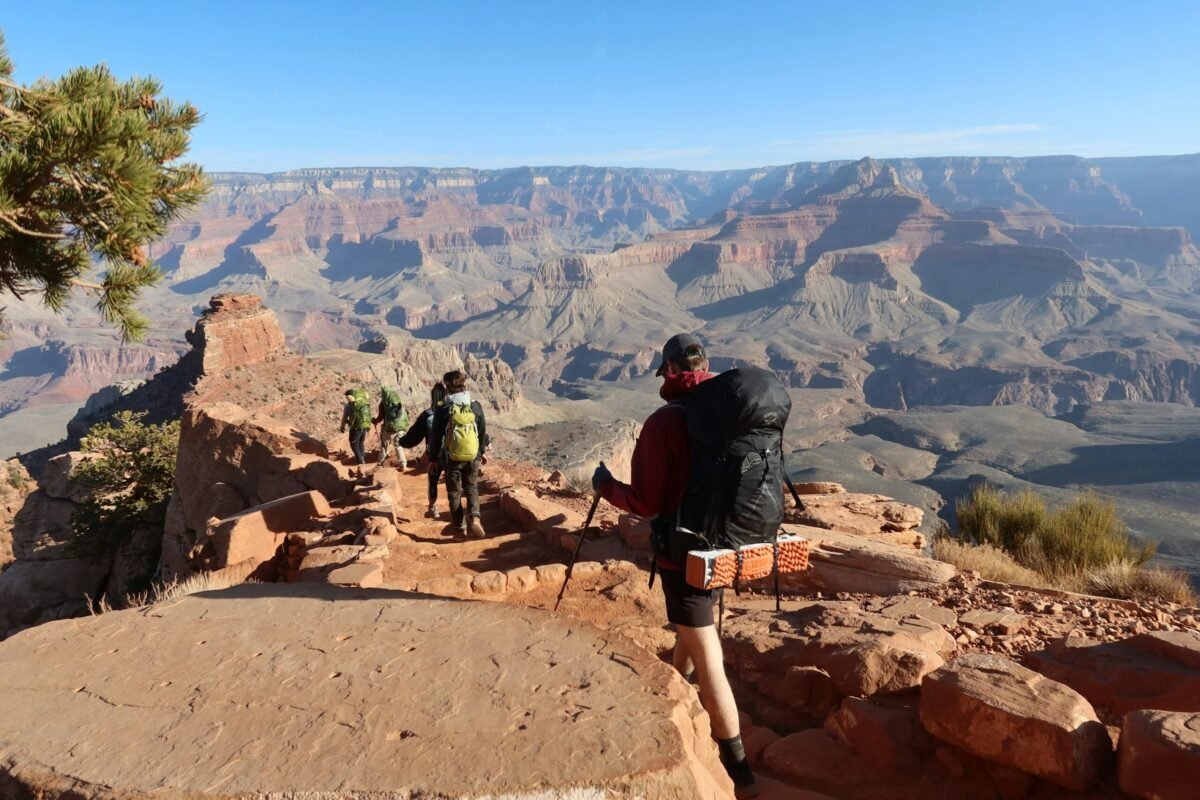
The National Park Service strongly discourages attempting a rim-to-river-to-rim day hike. The vertical distance, heat and climb out make it far more demanding than the mileage suggests. Choose a conservative turnaround point unless you are following a carefully prepared itinerary appropriate to your experience.
09 Is there cell service and Wi-Fi?
Service is inconsistent and becomes poor or nonexistent in remote areas and below the rim. Download maps, confirmations and critical information before leaving developed areas. Never make emergency planning depend on a reliable phone signal.
10 Can I bring my dog?
Leashed pets are allowed in some developed South Rim areas and on certain rim trails, but pets are not permitted on inner-canyon trails, on park shuttle buses except service animals, or inside most public buildings. Kennel availability and seasonal rules should be confirmed with NPS.
11 Is Grand Canyon good for kids?
Yes. Families can use short rim walks, shuttles, geology exhibits, wildlife viewing and Junior Ranger activities without hiking below the rim. Constant supervision is essential near unguarded cliff edges.
12 Where should I stay?
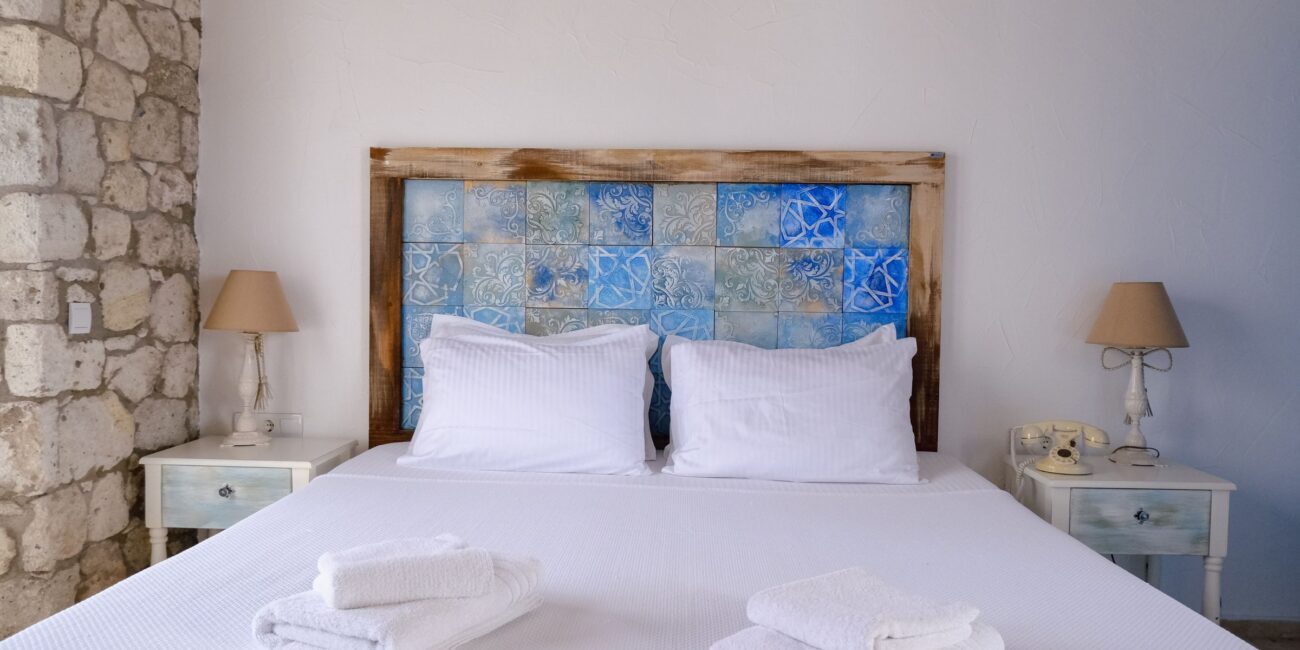
Staying inside the South Rim can minimize driving and maximize early and late light when rooms are available. Tusayan is the closest conventional hotel base outside the South Entrance. Williams and Flagstaff offer more town amenities but require a longer daily commute. North Rim lodging is seasonal and can be affected by current operating conditions, so verify availability before booking.
13 What should I wear?
Dress in layers and plan for elevation. Rim mornings and evenings can be cool even in summer, while inner-canyon temperatures can be much hotter. Bring sun protection, sturdy shoes and rain protection during monsoon season.
14 Can I hike rim-to-rim right now?
Do not assume a traditional rim-to-rim route is available right now. Current NPS hiking guidance lists the entire North Kaibab Trail, Phantom Ranch, Black Bridge and Silver Bridge closed. A rim-to-rim hike requires a continuous usable route plus workable transportation and water conditions, so verify live trail and bridge status immediately before making crossing arrangements.
15 Are Grand Canyon river trips operating right now?
The August 29 flash flood temporarily disrupted Grand Canyon river traffic, but NPS now allows commercial and non-commercial river trips to continue. Hiking exchanges affected by the inner-canyon closures are being conducted at Pipe Creek Beach. If you have a river trip booked, follow your outfitter’s trip-specific instructions and confirm current NPS river alerts because flood, debris and exchange conditions can change.
16 Are drones allowed?
No. Launching, landing or operating unmanned aircraft is prohibited in National Park Service units, including Grand Canyon National Park, except under very limited authorized circumstances.
Need a Planning Answer?
Start with our first-time guide, itineraries, weather, parking and lodging pages for more detail.
Need a Live Answer?
For today's closures, roads, weather, facilities and alerts, use the National Park Service current-conditions page.