
Winter Activities
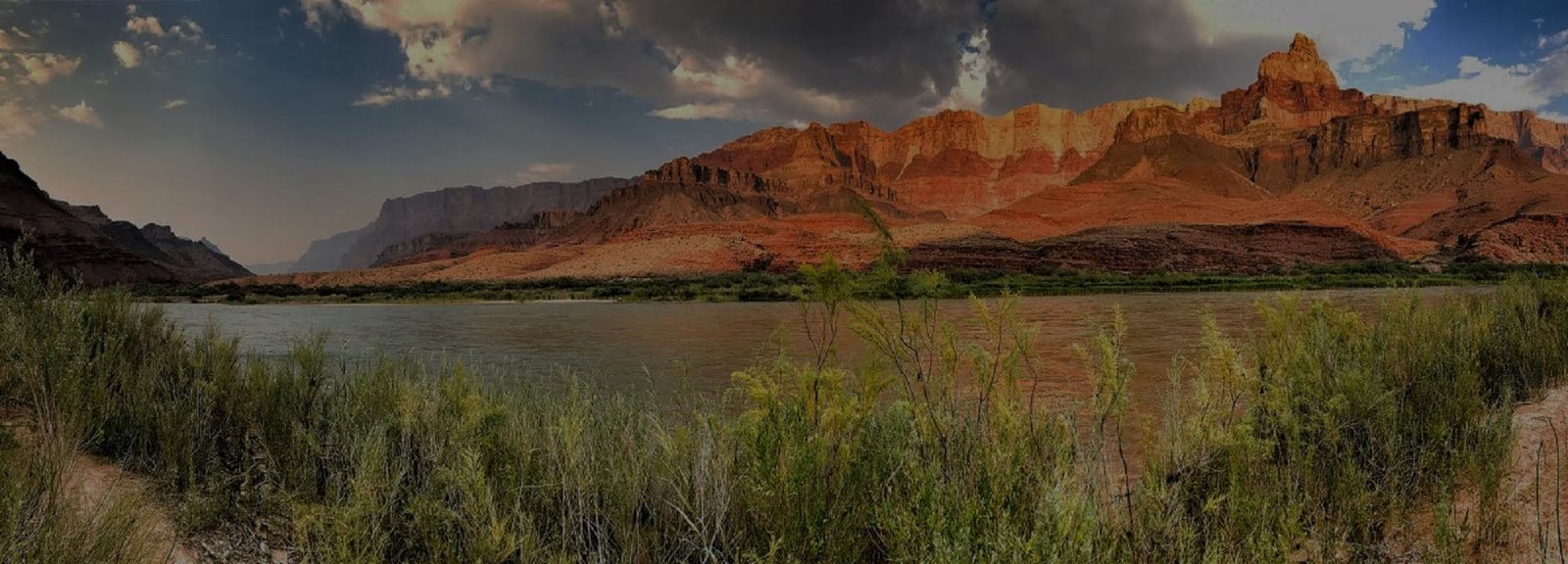
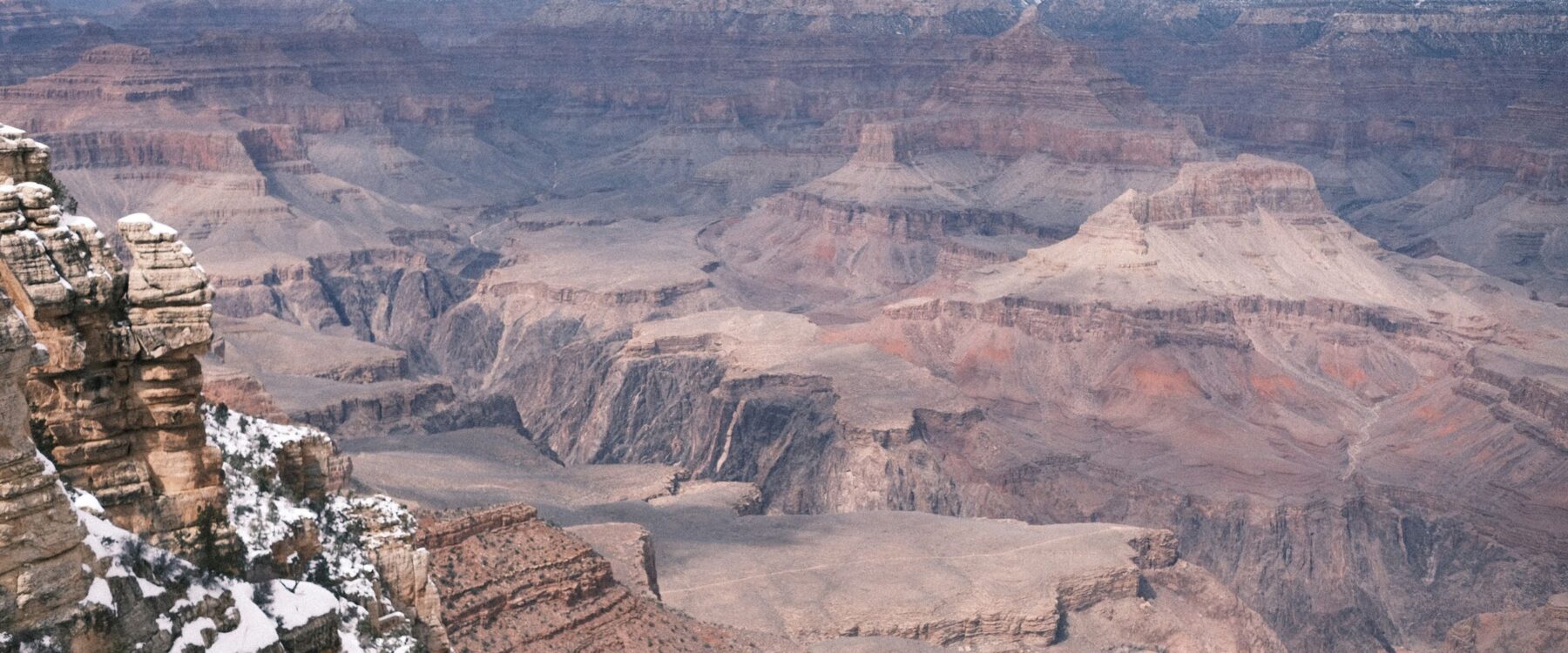
Winter can be one of the most beautiful times to see the South Rim: fresh snow on red cliffs, thinner crowds, low-angle light and a quieter village. It also demands more flexibility because roads, trails and overlooks can become icy or temporarily close during storms.
Scenic overlooks
The South Rim remains open year-round, and winter visibility can be exceptional between storms. Snow often transforms familiar viewpoints into entirely different scenes.
Winter hiking
Rim walks can be excellent, but shaded sections may remain icy long after roads clear. Below-rim trails can hold hard ice near the top while becoming warmer and drier lower down. Traction devices are often useful.
Photography
Fresh snow adds contrast and low winter sun creates long shadows. Keep batteries warm, protect gear from blowing snow, and avoid stepping toward unguarded edges when snow hides the exact rim line.
Road conditions can change quickly
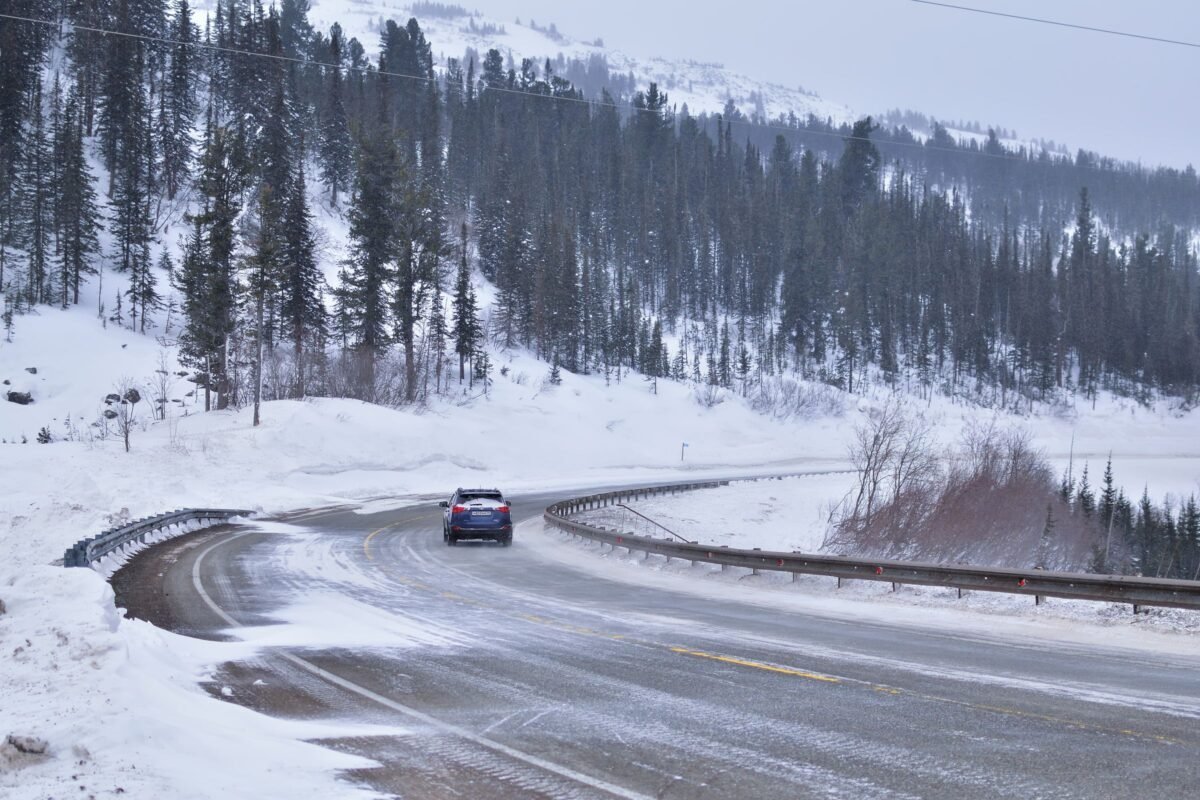
Grand Canyon does not routinely use road salt or snowmelt chemicals. Crews use cinders for traction. Roads can temporarily close during storms while snow is cleared. Check the park road page and Arizona 511 before driving, especially early in the morning.
Winter changes how you move around
Hermit Road opens to private vehicles during December, January and February when conditions allow because the seasonal shuttle does not run there. Some facilities reduce hours, so confirm dining, visitor-center and service availability before relying on a specific stop.
Use the Winter South Rim Itinerary
Winter works best when the itinerary is built around shorter daylight, icy mornings, indoor options and flexible scenic blocks from the beginning—not when a summer schedule simply gets colder.
What Works Better in Winter
A winter South Rim visit can be easier in some ways and more demanding in others. Crowds are lighter and private-vehicle access improves on Hermit Road, but daylight is shorter, icy footing is common and storms can temporarily disrupt roads and visibility.
Quieter Viewpoints
January and February can feel dramatically less crowded than peak season. That makes central viewpoints, village walks and photography easier to enjoy slowly—especially between storms.
Hermit Road by Car
When seasonal shuttle restrictions end, private vehicles may use Hermit Road during December, January and February when conditions allow. That creates a very different sightseeing pattern from spring through fall.
Ice Changes Hiking
Upper trail sections can remain icy even when roads and sunny rim paths look dry. Grandview and other shaded or north-facing routes can be particularly demanding. Treat traction and turnaround judgment as part of the route choice.
A Two-Night Stay Handles Winter Better Than a Drive-Through
Winter weather can hide the canyon for hours and then clear dramatically. If the trip matters enough to travel for, an overnight—or ideally two—gives you much better odds of seeing the canyon in changing light and conditions than a single tightly timed day trip.
Winter Morning Checklist
Conditions can change overnight. A quick check before driving or hiking prevents most avoidable surprises and helps you choose the best part of the day for roads, trails and viewpoints.
Road Status
Check NPS conditions and Arizona 511 before driving. The park uses cinders rather than routine road salt, so packed snow and ice can remain.
Trail Surface
Ask about current ice and snow before descending. Conditions at the rim can differ sharply from those lower in the canyon.
Daylight & Services
Check sunset time and current operating hours. Short days and reduced seasonal services make meal and transportation timing more important than in summer.