Valle (Grand Canyon Junction)
Valle—often marketed as Grand Canyon Junction—is where State Route 64 meets US 180 south of the park. It is not a resort town and it is not the closest gateway to the canyon. Its value comes from highway position, occasional lodging savings and easy access to both the Williams and Flagstaff approaches.
Is the Lower Room Rate Worth the Extra Drive?
Valle can be a smart base when the price difference is meaningful. But the room rate is only part of the calculation. Staying farther from the park also means more driving before sunrise, after sunset and whenever you need services that Valle itself does not provide.
Time Can Be More Valuable Than the Savings
If you have only one canyon day, staying in Tusayan or inside the park can buy back useful morning and evening time. Valle makes more sense when budget or route position clearly outweighs proximity.
A Junction, Not a Full-Service Gateway
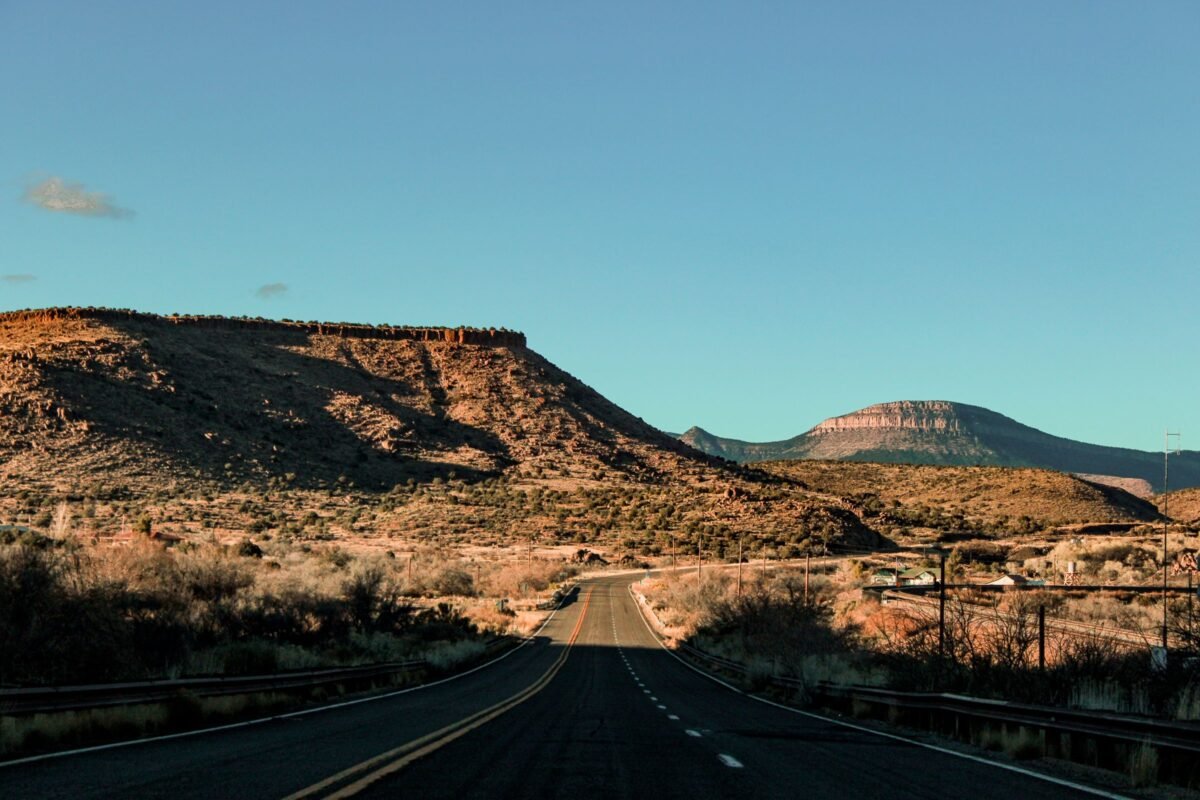
The State Route 64 corridor from Williams to Grand Canyon passes directly through Valle, and US 180 branches east toward Flagstaff. That makes Valle useful for routing, but visitors should not expect the depth of hotels, restaurants, shops or evening activity found in larger gateway towns.
Limited Lodging
Valle has fewer places to stay than Tusayan, Williams or Flagstaff. When rates are attractive, it can work well for travelers who need a bed and an early start rather than a destination town experience.
Plan Meals Ahead
Food choices are limited compared with the larger gateways. Check hours before arriving late, and consider groceries or eating before you reach Valle if your schedule runs beyond normal restaurant service.
Two Main Approaches Meet Here
Southbound State Route 64 leads toward Williams and Interstate 40, while US 180 provides a direct route toward Flagstaff. That junction is the strongest reason Valle belongs in a Grand Canyon planning guide.
Valle vs. Tusayan vs. Williams
These three communities sit on the same broad South Rim corridor, but they solve very different travel problems.
Tusayan
Choose Tusayan when easy South Entrance access matters most. You pay for proximity, but sunrise, sunset, trailhead and park-shuttle logistics become much easier.
Valle
Choose Valle when the price is meaningfully better or when the Highway 64/US 180 junction helps the next day's route. Expect fewer services and more driving than Tusayan.
Williams
Choose Williams when you want Route 66, more restaurants and lodging, or the Grand Canyon Railway to be part of the trip. The tradeoff is the longest drive of the three to the South Rim.
US 180 Makes Valle the Decision Point
Travelers approaching from Flagstaff on US 180 join State Route 64 at Valle and continue north toward Tusayan and the South Entrance. In winter or storms, stay on maintained highways and check road conditions rather than accepting navigation-app shortcuts onto forest roads.
Williams Keeps the Route Simple
From Interstate 40, State Route 64 runs north from Williams through Valle and on toward Grand Canyon. If you are arriving from the west, this is the straightforward approach and Valle is simply one stop along the corridor.
Choose Valle for a Reason
Valle is a useful base when its price or junction position materially improves your trip. If the savings are small, the convenience of Tusayan or the amenities of Williams and Flagstaff usually make a stronger case.