
Three-Day South Rim Itinerary
Three days lets you move beyond the classic first-visit checklist. Use the first two days for the major South Rim corridors, then dedicate the third to the experience your group actually cares about—hiking, history, photography, biking, a guided tour or simply a slower day at the rim. Check current lodging and park conditions before booking because availability and operations can change.
Do You Really Have Three Usable Days?
Three nights, three calendar dates and three sightseeing days are not the same thing. This itinerary works best when you have three substantial blocks of daylight at the South Rim. If day one is mostly arrival or day three is mostly departure, use the One-Day or Two-Day itinerary as your core plan and treat the remaining hours as flexible bonus time. Already in the park? Today at the Grand Canyon can help you choose what fits the hours you actually have left.
Central Rim + Hermit Road
Start with the Visitor Center, Mather Point, Rim Trail and Yavapai Geology Museum. Move into Grand Canyon Village for lunch and history, then use Hermit Road selectively and finish with sunset if conditions cooperate.
Desert View + East Rim
Give the eastern South Rim its own day. Stop at a few strong viewpoints, explore Desert View Watchtower and use the slower pace to notice how the canyon changes as the river and side canyons come into view.
Choose Your Depth
Build the final day around your strongest interest instead of adding more generic sightseeing. A third day is most valuable when it becomes different from the first two.
Hiking Day
Start early and let the hike be the main event. Choose the route and turnaround point around season, water, daylight and fitness rather than trying to fit a famous mileage target.
Photography Day
Anchor the day around sunrise and sunset, then use midday for scouting, historic details, meals and rest rather than chasing harsh-light overlooks.
Guided Day
A guide can add deeper geology, history, natural history or specialty access after you have already oriented yourself to the park.
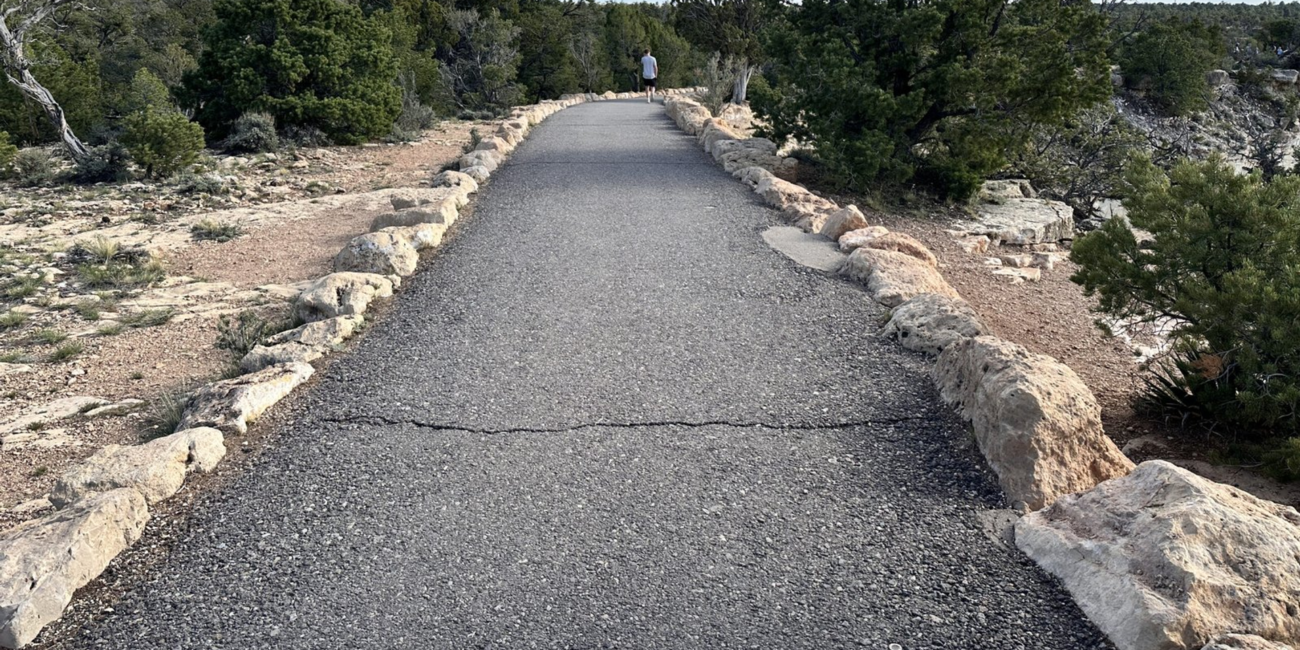
Walk the Trail of Time Slowly
If you enjoy geology and interpretation, spend more time between Yavapai and the village. Read the exhibits, examine the rock samples, revisit the canyon walls from different angles and let the landscape become intelligible rather than merely impressive.
Weather No Longer Owns the Trip
With three days, a stormy afternoon or icy morning does not have to ruin a single rigid itinerary. Move your scenic drives, longer walks and photography blocks to the best conditions and use less cooperative weather for museums, history and shorter outings.
Keep One Unscheduled Block
Three-day visitors often make the mistake of filling every hour because they have more time. Leave one morning or afternoon open. Use Today at the Grand Canyon to decide whether that block is best spent repeating a favorite place, responding to weather or closures, recovering from hiking, or simply spending longer at the rim.
Add a Nearby Destination Only if It Fits
Three days can also support Tusayan, Williams or Flagstaff, but do not sacrifice a Grand Canyon day merely to collect another town. Add a gateway community when it naturally improves lodging, dining or your onward road trip.
See the Classics, Then Follow Your Curiosity
Use days one and two to understand the South Rim. Use day three to turn a sightseeing trip into your trip.