

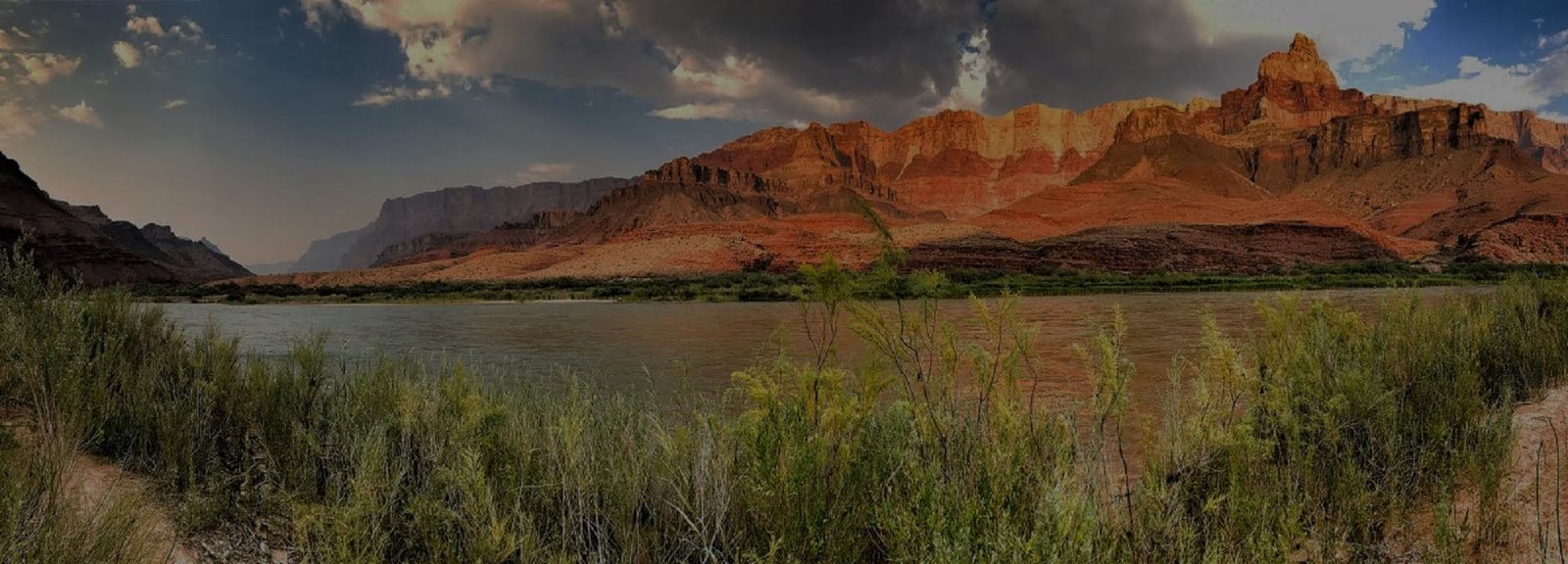
Grand Canyon for Seniors & Limited Mobility
You do not need to descend a steep trail to have a rich Grand Canyon experience. Many of the South Rim's most memorable views, historic areas, museums and transportation routes can be enjoyed with relatively short walks. The best trip is built around comfort, pacing, elevation and access—not around proving how much ground you can cover.
Use the Rim, Museums and Shuttles
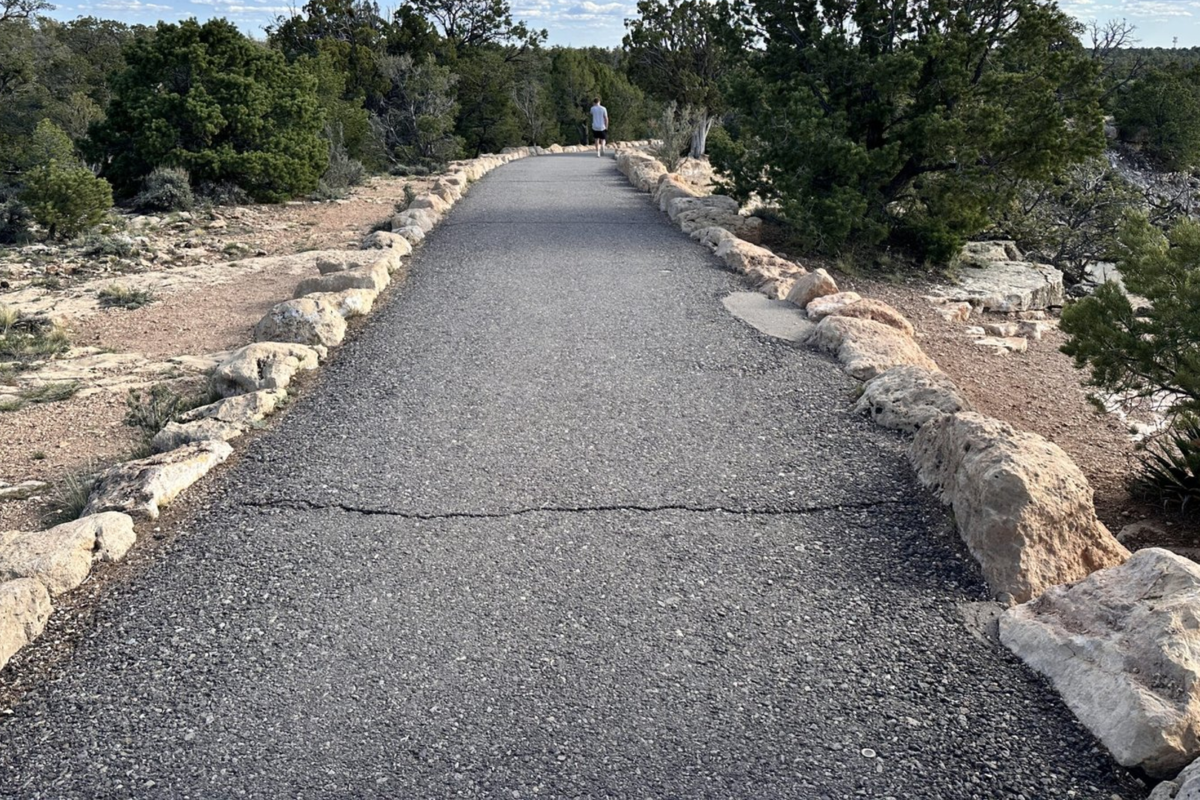
The South Rim gives visitors many ways to experience the canyon without committing to long or steep walks. Viewpoints near developed areas, portions of the Rim Trail, shuttle stops, Yavapai Geology Museum and historic Grand Canyon Village can be combined into a full day with frequent opportunities to sit, warm up, cool down or shorten the route.
Prioritize Access
Choose viewpoints and facilities with paved approaches, nearby parking or shuttle access. A dramatic view is not better simply because reaching it is harder.
Build in Sitting Time
Benches, overlooks, indoor exhibits and meals are part of the itinerary. A slower schedule can produce a better experience than using every hour to move between attractions.
Watch the Elevation
The South Rim is around 7,000 feet above sea level, and the North Rim is higher. Visitors arriving from low elevations may notice reduced stamina even on otherwise easy walks.
Park Once and Reduce Repeated Transfers
Getting in and out of a vehicle repeatedly can be more tiring than the actual sightseeing. When practical, park near a central area and use shuttle buses or short walks between nearby stops. If boarding buses is difficult, use scenic driving strategically and choose fewer, higher-value stops.
Heat, Ice and Wind Change Accessibility
A route that feels easy on a calm spring morning can be uncomfortable in summer sun, winter ice or strong rim wind. Check conditions before committing to long walks and give yourself permission to shift toward museums, historic buildings or scenic drives when the weather changes.
A Short Rim Walk Can Be Enough
One excellent overlook followed by a comfortable paved walk and a museum may create a stronger memory than exhausting yourself trying to reach every famous stop. Let the canyon come to you.
Wheelchairs & Mobility Devices
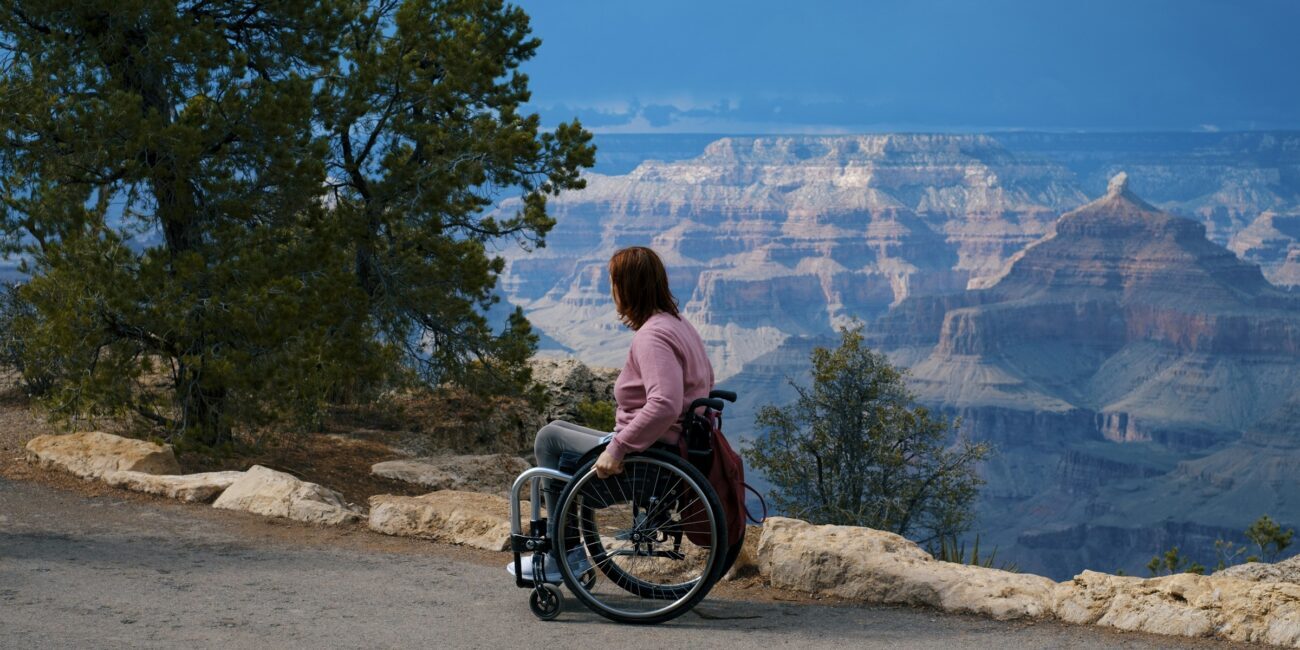
Use the dedicated accessibility guide and current NPS accessibility information to identify accessible routes, restrooms, parking and transportation. Conditions and temporary closures can affect specific routes.
Avoid Casual Below-Rim Hiking
Inner-canyon trails become steep quickly and the return is uphill. Limited mobility, balance concerns or heart and lung limitations are good reasons to keep the experience on the rim unless a qualified professional and your own circumstances support something more demanding.
Stay Close When Possible
If walking endurance is limited, staying close to the park can reduce long drives and make it easier to return to the room for rest between morning and evening sightseeing. Compare current in-park availability with Tusayan and other nearby bases before booking.
Viewpoint + Rim Walk + Museum + Scenic Drive
For many seniors and visitors with limited mobility, that combination provides variety without overloading the day. If you only have 1–2 usable hours, simplify further and stay in one central area rather than adding a scenic drive. Add sunrise or sunset only if the extra early or late hours improve the experience rather than making the schedule exhausting.