
Indigenous Peoples of Grand Canyon
Grand Canyon is not only a national park and geological landmark. It is a living homeland and sacred cultural landscape for Native peoples whose relationships with the canyon extend across countless generations.
Eleven associated tribes
Grand Canyon National Park recognizes 11 federally recognized tribes as traditionally associated with the canyon, including Havasupai, Hualapai, Hopi, Navajo, Zuni, Yavapai-Apache and several Southern Paiute communities.
Connections continue today
These relationships are not simply archaeological or historical. Tribal communities continue to maintain cultural, spiritual, familial and practical connections to Grand Canyon and the surrounding region.
Listen to first voices
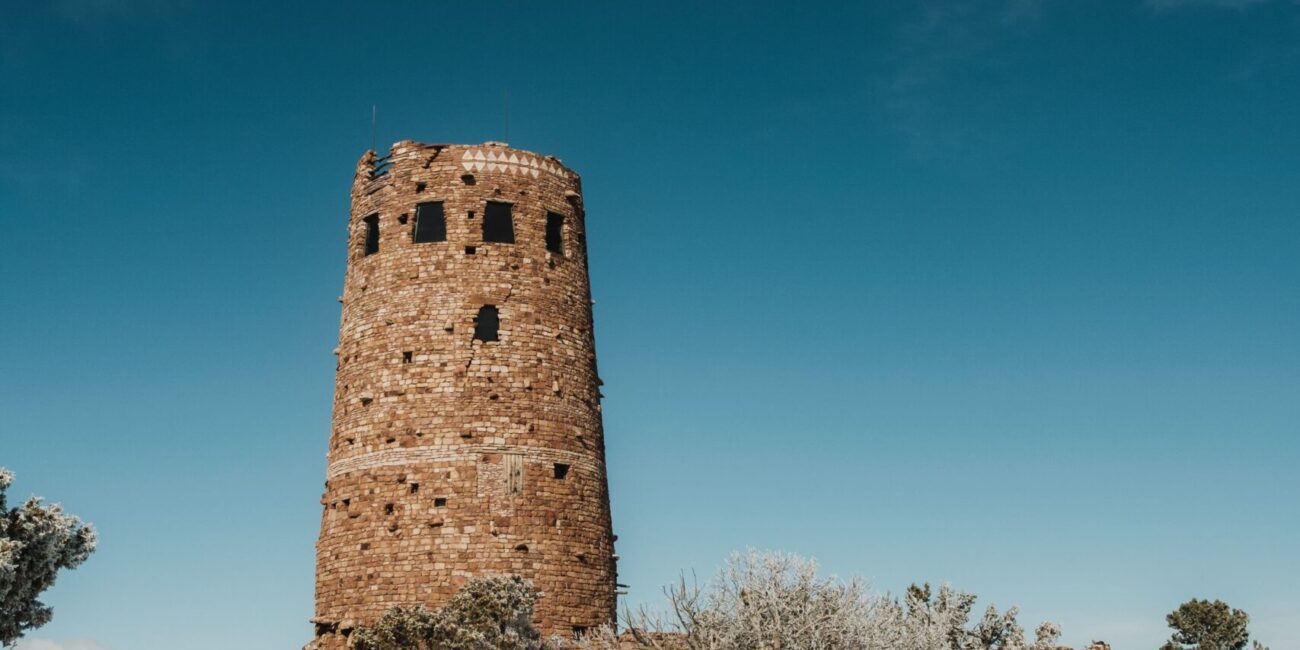
Visitors can encounter tribal artists, cultural demonstrations, films and interpretation at places such as Desert View. These programs offer perspectives best heard directly from the people whose communities have long called the canyon home.
We Are Grand Canyon
This 24-minute film was envisioned by the Grand Canyon Intertribal Working Group and created with Grand Canyon National Park and Grand Canyon Conservancy. It welcomes visitors through the voices of the canyon's traditionally associated tribal communities.
Remember whose homeland you are entering
Cultural sites, archaeological materials, ancestral structures and rock imagery are protected. Do not climb on structures, touch or trace rock art, remove artifacts, or enter closed areas. At cultural demonstrations, ask before photographing artists or their work, and follow any requests made by presenters.
The 11 Traditionally Associated Tribes
Grand Canyon National Park identifies eleven federally recognized Tribes with traditional associations to the canyon. Their histories, place names, oral traditions and present-day communities are distinct, so it is better to learn their names than to reduce them to a single generic story.
Arizona and regional communities
- Havasu’baaja Havasupai Tribe
- Hopi Tribe
- Hwal’bay Hualapai Tribe
- Nungwu Kaibab Band of Paiute Indians
- Diné Navajo Nation
- San Juan Southern Paiute Tribe
- A:shiwi The Pueblo of Zuni
- Yavap’e – Nṉéé Yavapai-Apache Nation
Southern Paiute communities in Nevada and Utah
- Las Vegas Paiute Tribe
- Moapa Band of Paiute Indians
- Paiute Indian Tribe of Utah
These names follow the National Park Service’s current associated-tribes listing. Tribal communities may use additional names or spellings for themselves.
Plan Tribal Destinations Separately
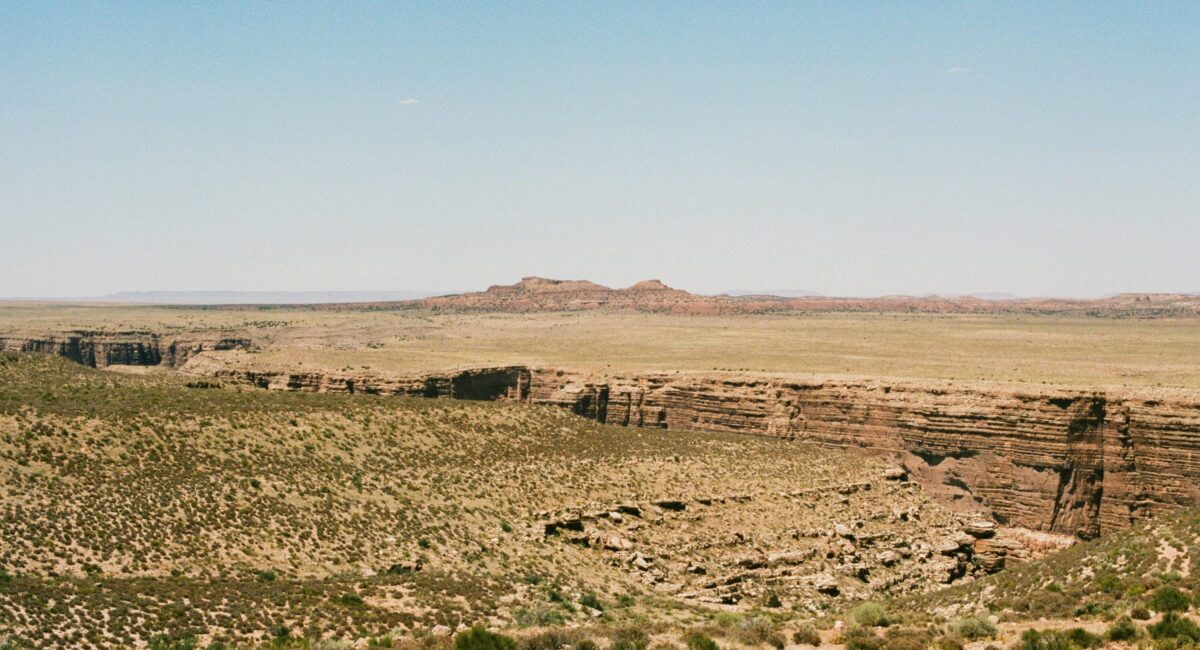
Havasupai and Grand Canyon West are governed by Tribal authorities, not by Grand Canyon National Park. Havasupai visits require advance Tribal reservations and permits, while Grand Canyon West is owned and operated by the Hualapai Tribe. Their rules, fees, access systems and visitor expectations are separate from NPS entrance and reservation systems.
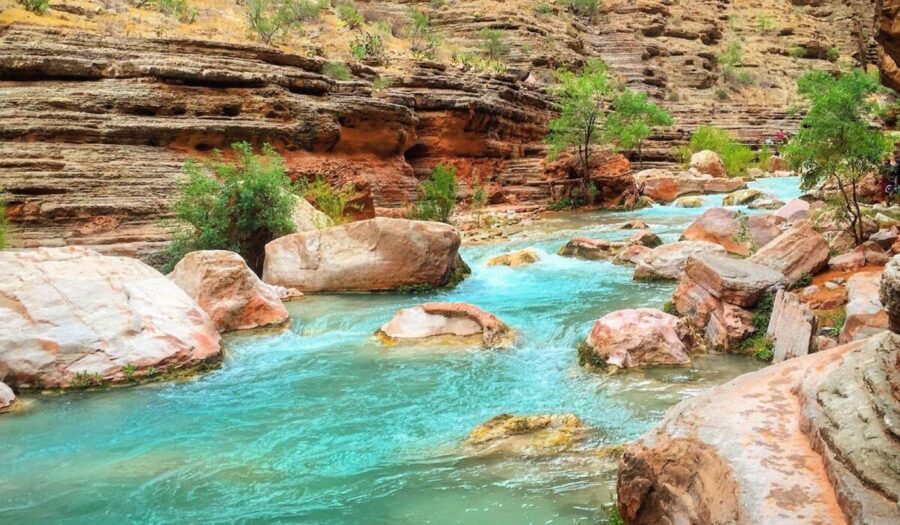
Havasupai
The Havasupai Tribe administers its reservation outside Grand Canyon National Park jurisdiction. Tourism requires advance booking through the Tribe's official reservation system; do not arrive expecting an NPS campground or walk-up permit.
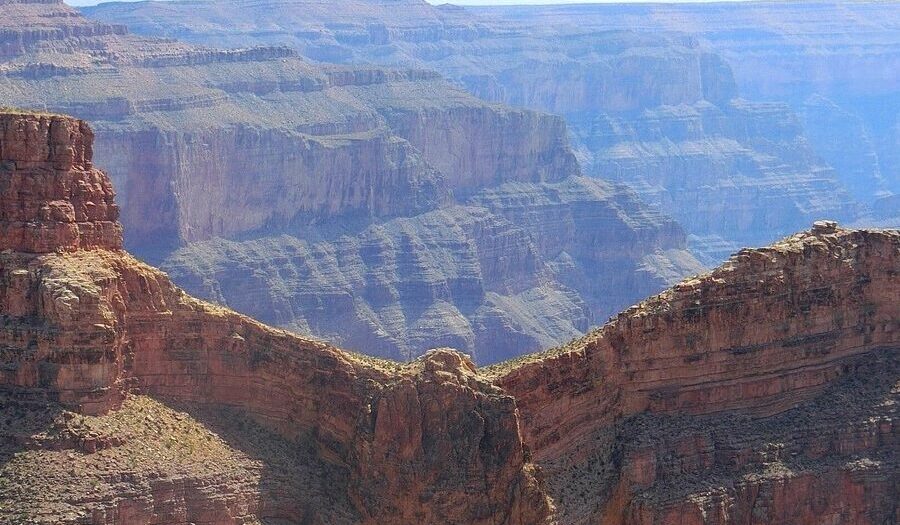
Grand Canyon West
Grand Canyon West is a Hualapai-owned and operated destination with its own admission, transportation and attractions. It is not the South Rim or North Rim of Grand Canyon National Park, and NPS passes do not substitute for Tribal admission.
Where Visitors Can Listen and Learn
At Desert View and other park programs, look for cultural demonstrations, films and presentations led by Tribal members or developed in partnership with associated Tribes. These are better starting points for understanding living traditions than treating archaeological sites as though Indigenous history ended in the past.