
Plants & Trees of Grand Canyon
Few national parks compress so many plant communities into one landscape. From the Colorado River to the North Rim, elevation changes of thousands of feet create dramatically different growing conditions.
Rim forests
Ponderosa pine, Gambel oak, Douglas-fir, white fir, spruce and aspen appear at the cooler upper elevations. The North Rim’s higher elevations support especially lush mixed-conifer and subalpine communities.
Pinyon-juniper country
Much of the rim and upper canyon transition zone is characterized by pinyon pine and Utah juniper. These drought-tolerant trees are among the most familiar plants of the Colorado Plateau.
Desert & riparian zones
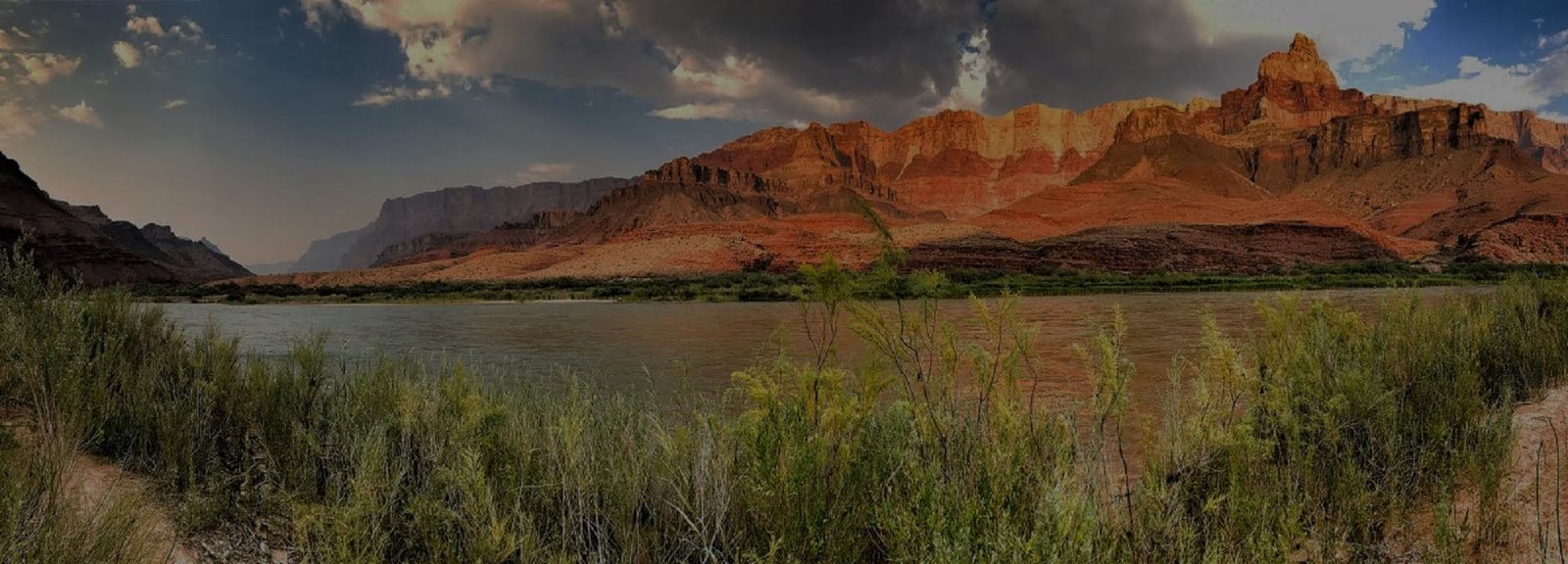
Inside the canyon, cacti, agave, yucca and desert shrubs dominate dry slopes, while cottonwoods, willows and other water-loving plants cluster around springs, creeks and the river corridor.
Elevation changes everything
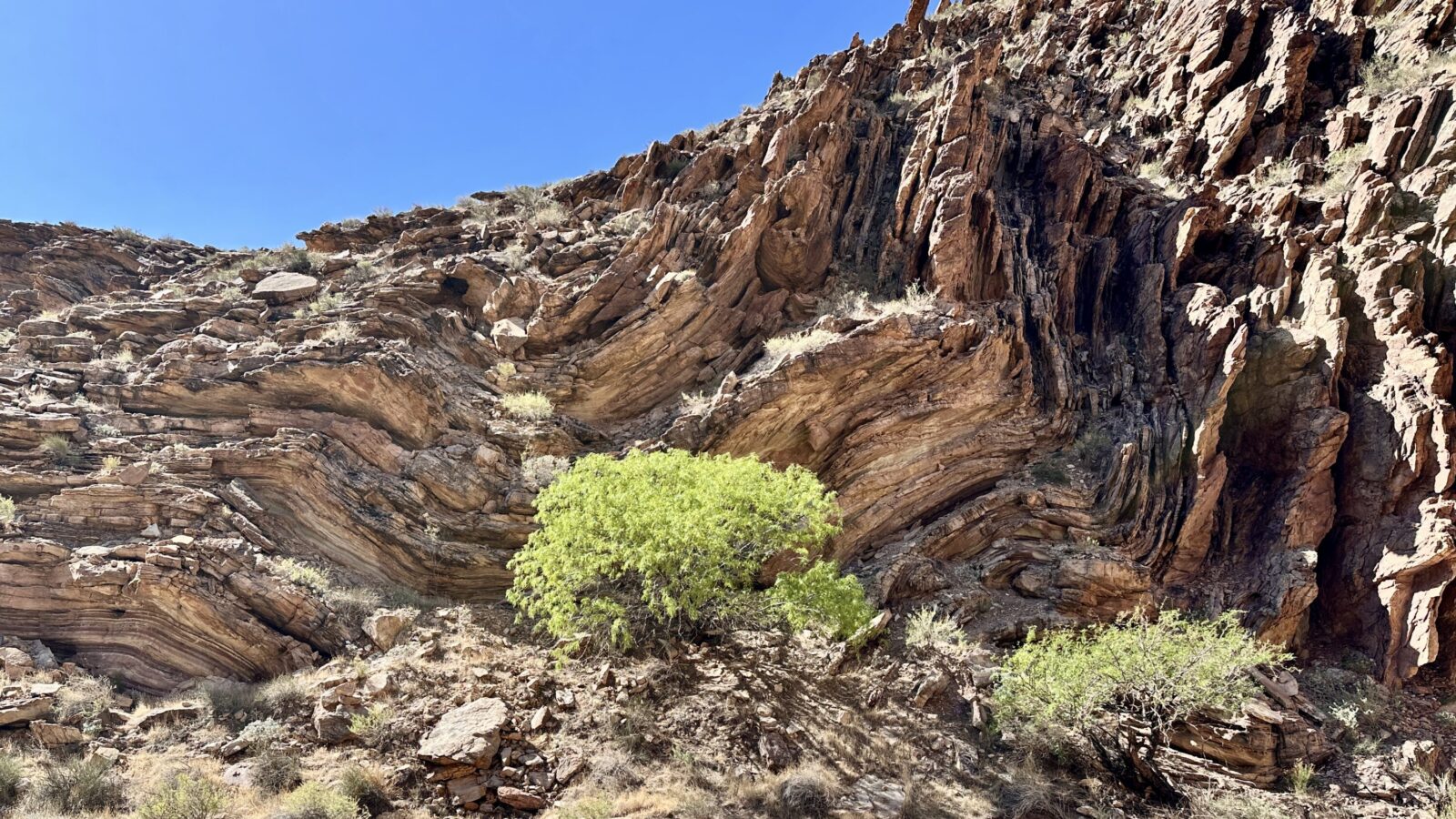
The National Park Service records roughly 1,737 vascular plant species and 129 vegetation communities in Grand Canyon National Park. Temperature, precipitation, slope exposure, geology and access to water all change sharply between the river and the high rims, creating ecological zones that can feel hundreds of miles apart.
What You’ll Notice From Rim to River
Grand Canyon vegetation changes fast enough that visitors can watch the landscape transform during a single drive or hike. The shifts are especially noticeable when you compare the high rims with the inner canyon and the river corridor.
South Rim
Ponderosa pine is one of the defining trees around Grand Canyon Village and other higher South Rim areas. Drier stretches toward Desert View transition into pinyon-juniper woodland, where shorter, widely spaced trees reflect less available moisture.
North Rim
The higher North Rim supports cooler, wetter forest communities. Spruce, fir and aspen become much more conspicuous, and autumn can bring bright aspen color that looks very different from the drier South Rim landscape.
Inner Canyon
As elevation drops, heat and aridity increase. Yucca, agave, prickly pear and desert shrubs become more common, while cottonwoods and willows mark scarce wet places along the Colorado River, perennial creeks, springs and seeps.
Wildflowers are seasonal
Spring and summer flowers vary from year to year with elevation, winter moisture and monsoon rainfall. A bloom that is finished in the inner canyon may still be developing on a cool rim, so there is no single park-wide wildflower calendar.
Water creates green islands
Riparian vegetation can feel almost startling after miles of dry rock and desert scrub. Along reliable freshwater, plants such as coyote willow and cottonwood create shade, habitat and a strong visual clue that the local environment has changed.
Protect the living landscape
Plant collection is regulated in the park. Stay on durable surfaces where required, avoid trampling cryptobiotic soils and fragile vegetation, and never remove flowers, cacti, wood or other natural objects without specific authorization.