
Havasupai
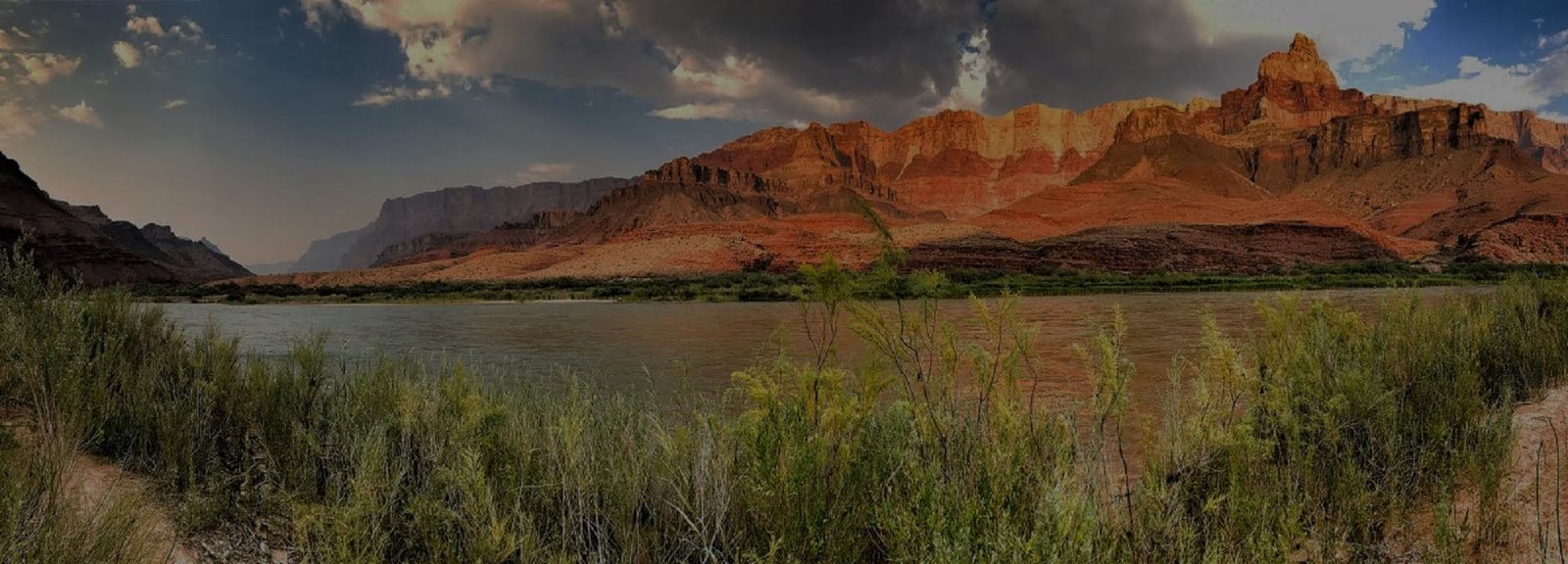
Havasu Canyon is both one of the Grand Canyon region's most visually distinctive landscapes and the homeland of the Havasupai Tribe. Supai Village, Havasu Creek and the famous waterfalls lie on Tribal land outside the boundary and jurisdiction of Grand Canyon National Park. Visiting here is not an add-on to an NPS trip. It is entry into a separate reservation under Havasupai rules.
HAVASUPAI IS OPEN
The Havasupai Tribe's official tourism site says Havasupai remains open following the recent flooding elsewhere in the Grand Canyon region. The August 29 flooding at Bright Angel Canyon and Phantom Ranch occurred within Grand Canyon National Park, not Havasupai. The Tribe reports that Havasupai trails are passable and the falls are presently blue-green, while also warning that late-summer weather is unpredictable and conditions can change quickly. Follow Tribal ranger directions, signs and any closure instructions during your visit.
Reservations Are Mandatory
No day hiking is allowed. Every visitor needs a valid advance reservation through the Tribe's system. Do not drive to Hualapai Hilltop hoping to enter without one, and do not treat a Grand Canyon National Park pass or permit as authorization for Havasupai lands.
The Trip Begins With a Long Hike
Hualapai Hilltop is the road-access point. From there, NPS lists about 8 miles to Supai Village and another 2 miles to the campground. The route is hot, dry and exposed, and the return trip finishes with the climb back to the hilltop.
This Is Not Grand Canyon National Park
The Havasupai Tribe governs access, reservations, visitor conduct and closures. National Park Service shuttle schedules, campground rules and backcountry permits do not control a Havasupai visit.
People of the Blue-Green Water
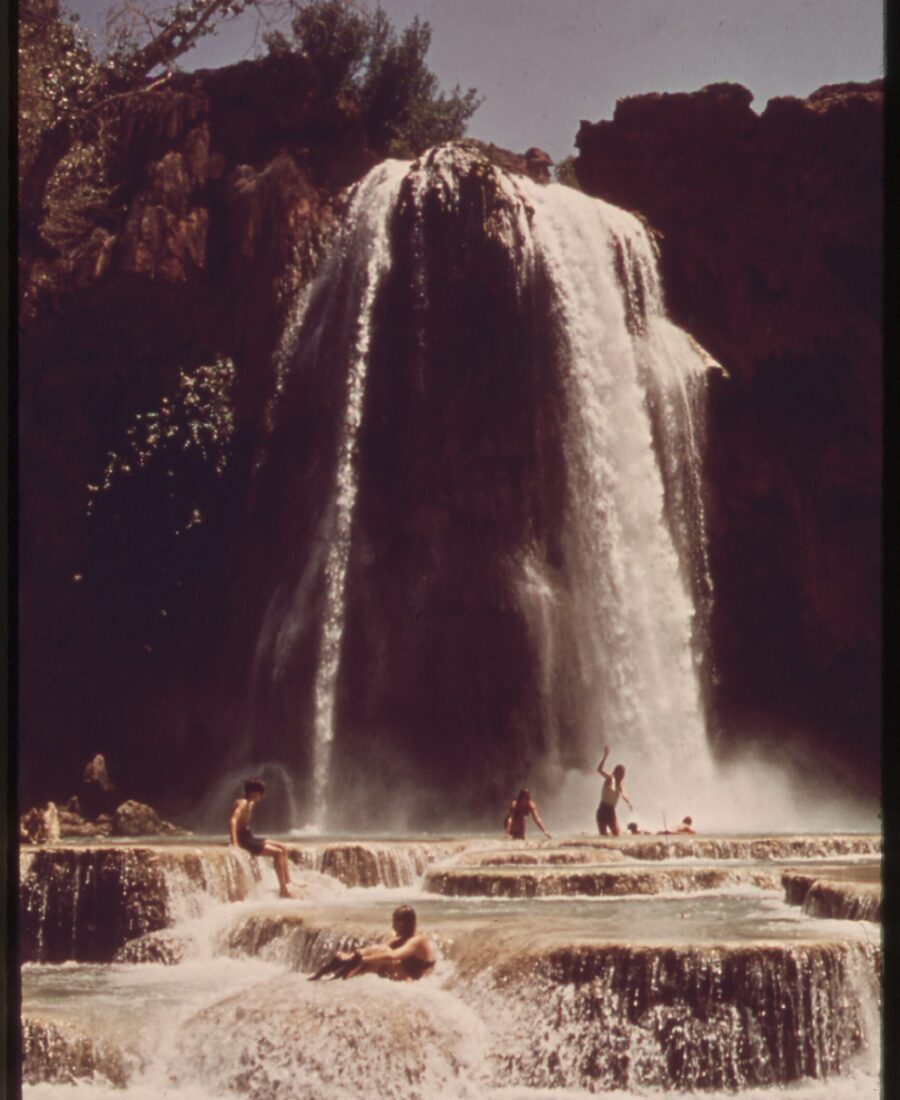
The Havasupai name is commonly translated as People of the Blue-Green Water. Havasu Creek's travertine-rich water builds pale mineral deposits, pools and waterfall forms that contrast dramatically with the red canyon walls. The water is more than scenery. It is central to the identity, homeland and history of the Havasupai people.
Supai Is a Community, Not a Trail Stop
Supai is the last remaining Tribal village inside the canyon. Visitors pass through a place where people live, work, raise families and maintain cultural connections to the surrounding land. Respect for homes, community spaces, local rules and photography restrictions should be part of the trip from the beginning.
Hualapai Hilltop Is Only the Beginning
A reservation does not make the physical trip easy. The access route is a serious desert hike, and the distance between the car and the campground changes how food, water, baggage, heat and emergency planning should be approached.
Arrive Self-Sufficient
NPS notes there are no services at Hualapai Hilltop. Peach Springs is the nearest community with major basic services on the approach. Fuel, water and food problems should be solved before the final road to the trailhead.
Supai Comes Before the Campground
The village lies about 8 trail miles below Hualapai Hilltop. The campground is another roughly 2 miles farther down Havasu Canyon. That means the familiar waterfall images represent a trip substantially deeper than simply reaching the village.
Save Energy for the Climb Out
The final miles back to Hualapai Hilltop climb out of the canyon in exposed desert terrain. Build the last day around temperature, water and the slowest realistic hiking pace rather than assuming the return will feel like the descent in reverse.
Travertine Builds the Landscape—and Floods Rebuild It
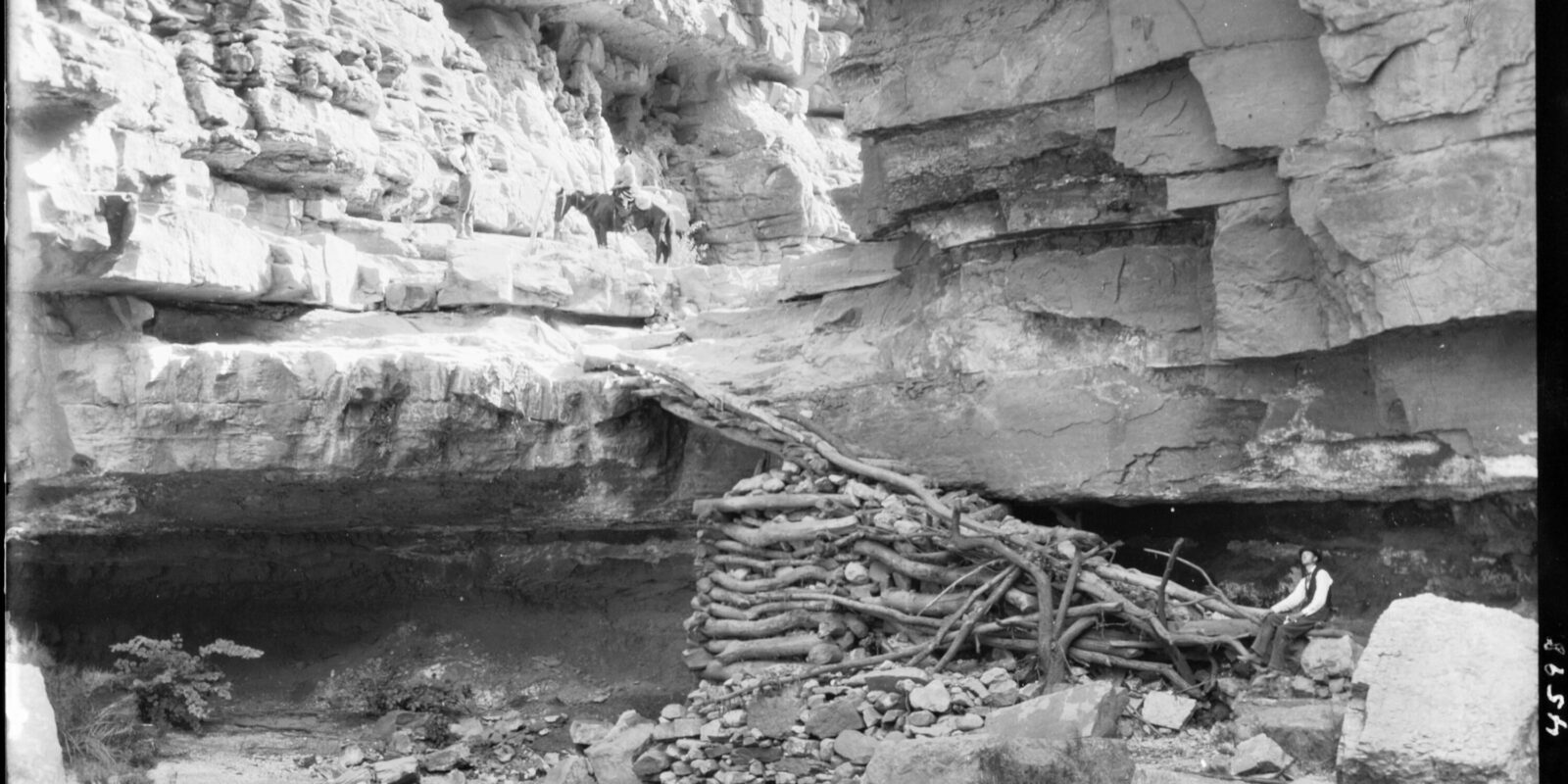
Havasu Creek forms travertine pools and waterfall ledges, but those features are not fixed monuments. USGS research documents how major floods can erode travertine, move boulders, damage vegetation and reshape waterfalls and pools. A photograph from a previous year is not a promise that the canyon will look exactly the same today.
Blue-Green Water Can Become a Hazard Quickly
Havasu Canyon has a long history of damaging floods, including recent events that forced closures and repairs. NPS warns that immediate closure of the canyon is possible when conditions require it. Follow Tribal instructions immediately and never treat a narrow-canyon weather threat as an inconvenience to a reservation.
All 2026 Stays Are 4 Days / 3 Nights
The Tribe's 2026 tourism system does not sell day visits or one-night stays. Campground and lodge bookings are structured as four-day, three-night visits, so build transportation and regional lodging around the permit dates rather than trying to shorten the reservation.
2026 Permit Pricing
The Tribe currently lists campground permits at $455 per person for three nights and lodge permits at $2,277 per room for three nights, covering up to four people. Recheck the official reservation site before purchase because Tribal pricing and terms control.
Check-In and Trip Leaders Matter
Current check-in is handled through Grand Canyon Caverns & Inn before entering the reservation. Permits cannot be resold or transferred. If flexibility matters, name eligible Potential Alternative Trip Leaders when booking; they cannot simply be added later.
The Reservation Comes Before the Rest of the Itinerary
The Havasupai reservation system controls the available dates, lodging or campground access, guest rules and transfer procedures. Demand exceeds available space, and access rules can change after weather or infrastructure events. Confirm the Tribal reservation first. Only then should you build South Rim, Route 66 or other regional travel around those dates.
Treat Havasupai as a Separate Trip
NPS estimates roughly four hours of driving from Grand Canyon Village to Hualapai Hilltop before the hike even begins. Havasupai is not something to squeeze into the morning before a South Rim sunset.