

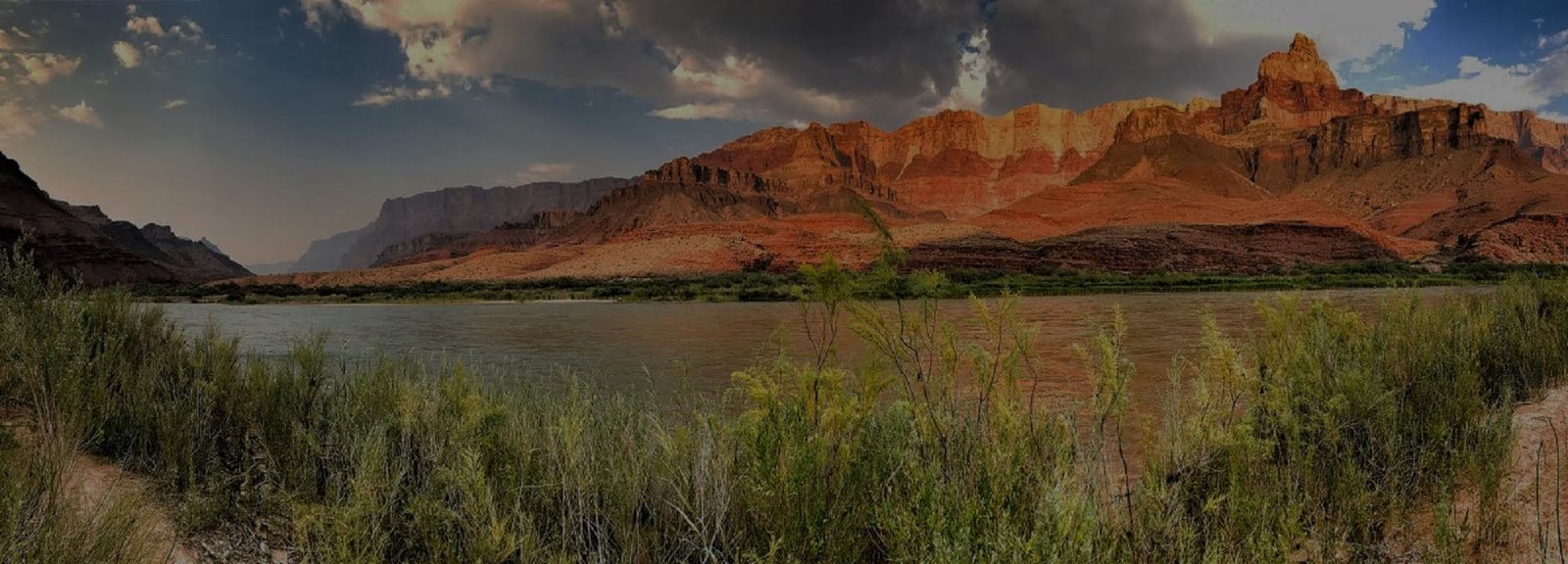
Grand Canyon Accessibility
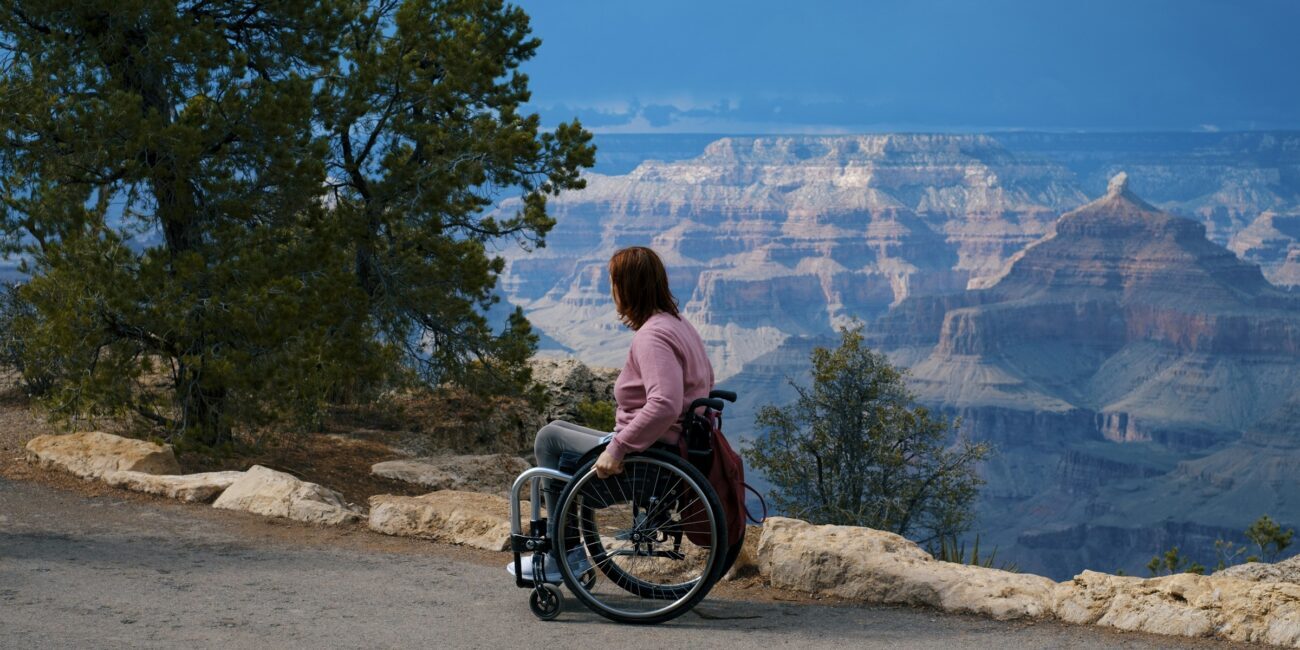
Many of Grand Canyon National Park's most memorable views are accessible without steep hiking. Paved rim paths, accessible overlooks, museums, visitor centers, parking spaces and wheelchair-accessible shuttle buses make a meaningful visit possible for many travelers with mobility limitations.
Accessible Shuttles
South Rim shuttle buses are wheelchair accessible and equipped with ramps. NPS states that wheelchairs larger than 30 inches wide by 48 inches long (76 by 122 cm) cannot be accommodated, and most motorized scooters will not fit. If your device is near those limits, plan around the Scenic Drive Accessibility Permit rather than assuming shuttle access.
Rim Trail
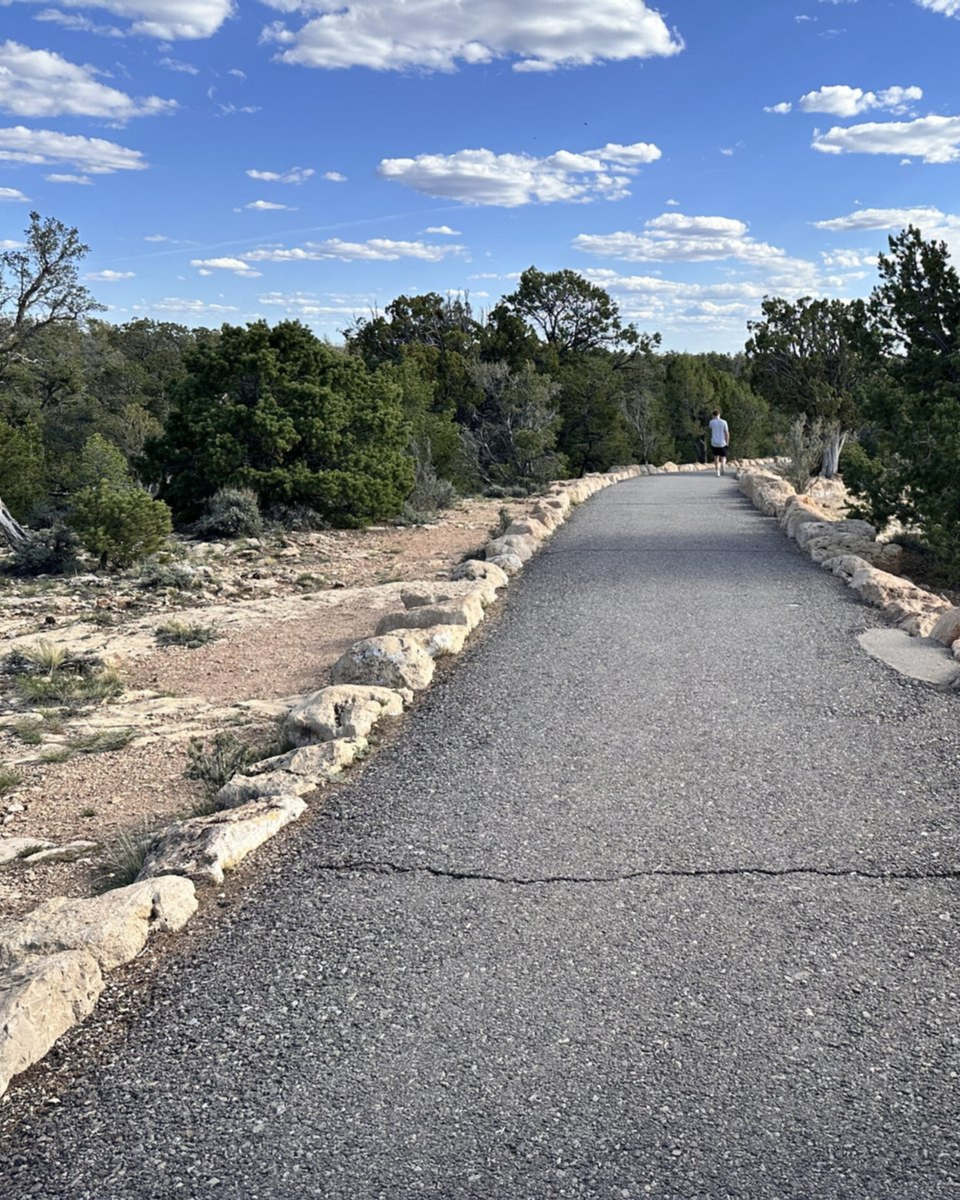
Several South Rim sections are paved and relatively level, especially around the Visitor Center and portions of Grand Canyon Village. Surface, grade and edge protection vary, so choose segments based on individual comfort and mobility.
Accessible Facilities
Visitor centers, museums, restrooms and many public buildings provide accessible features. Historic structures can vary because of age and architecture. Check specific sites if a particular facility is essential to your visit.
Scenic Drive Accessibility Permit
Visitors with mobility impairments can request a Scenic Drive Accessibility Permit at park entrance stations and NPS visitor centers. It allows private-vehicle access to certain roads otherwise closed to general traffic during shuttle seasons, including Hermit Road and Yaki Point Road. The permit does not authorize parking in designated accessible spaces. A government-issued accessible parking placard or plate is still required for those spaces.
A Low-Barrier South Rim Day
Start at the Grand Canyon Visitor Center, use the paved Greenway and accessible areas near Mather Point, then ride a shuttle to Grand Canyon Village. Add accessible museum stops and overlooks rather than trying to cover every viewpoint. A scenic drive to Desert View can provide additional perspectives from the vehicle with selected accessible stops.
Wheelchairs & Scooters
Bring chargers, repair items and any accessories you normally rely on. Cold can reduce battery performance, and summer sun can add heat stress even when exertion is low. Accessible does not always mean fully shaded or protected from weather.
Hearing, Vision & Cognitive Access
Ask visitor centers about current accessibility resources, including printed materials, captioning, audio description, assistive listening or interpretive options. Programs and technology can change, so the NPS accessibility page is the best current source.
Choose the Room Before You Choose the View
If accessible parking, roll-in showers, elevator access, ground-floor rooms or specific bed configurations are important, confirm those details directly with the lodging provider before booking. Historic park lodges can have different room layouts and access than modern gateway hotels.
Planning for Seniors & Limited Mobility
Accessibility features are only one part of a comfortable trip. Use our dedicated planning guide for pacing, altitude, weather, lodging location, shuttle strategy and realistic alternatives to below-rim hiking.