
When Should You Visit the Grand Canyon?
The best season depends on what you want to do. Summer offers the fullest South Rim services but brings heat below the rim and monsoon thunderstorms. Spring and fall often provide excellent hiking temperatures. Winter can be quiet and beautiful at the South Rim, but snow and ice change transportation and trail conditions. The North Rim has a much shorter operating season.
Open Season Does Not Mean Normal Operations
The North Rim is open for scenic driving and selected day use in 2026, but there is no in-park lodge, potable tap water is unavailable and summer ranger programs are not operating. If North Kaibab or rim-to-rim hiking is central to your trip, check the live NPS Key Hiking Messages and current North Rim status rather than relying on a normal seasonal calendar.
Spring: March–May
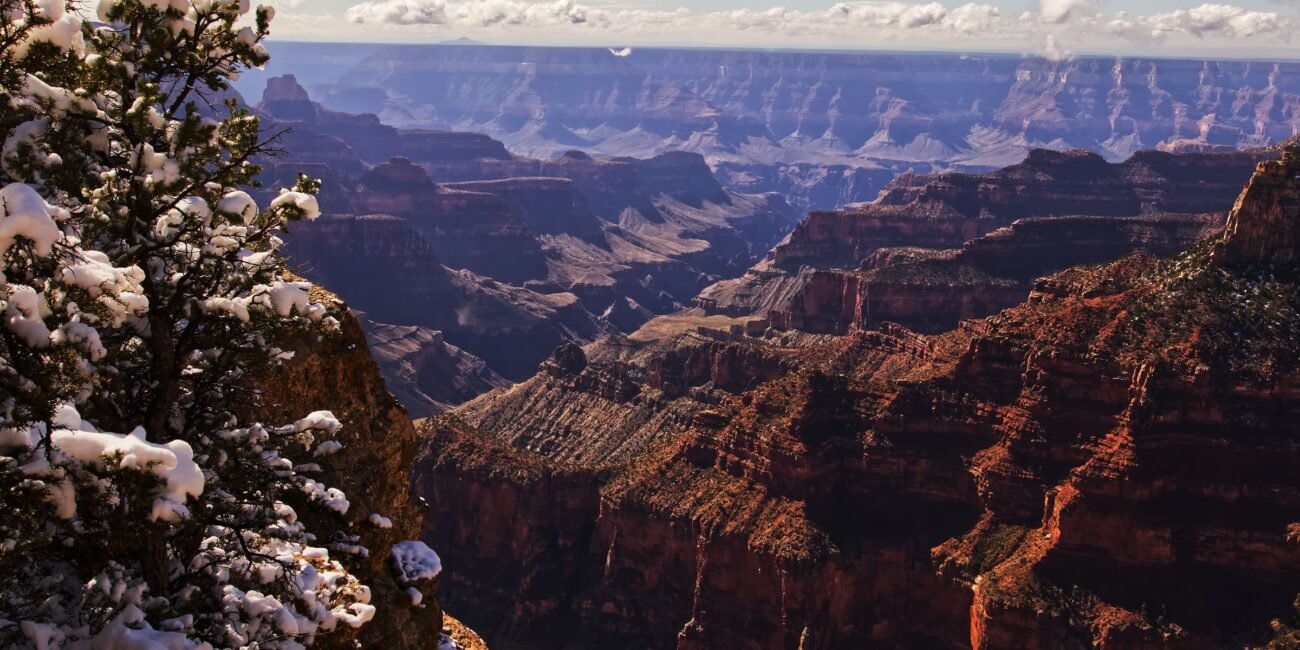
Spring is a transition season at the South Rim. Days lengthen, but snow and cold can persist into April and even May at high elevation. Inner-canyon temperatures are often more comfortable than summer. North Rim roads generally remain closed until the seasonal opening.
Summer: June–August
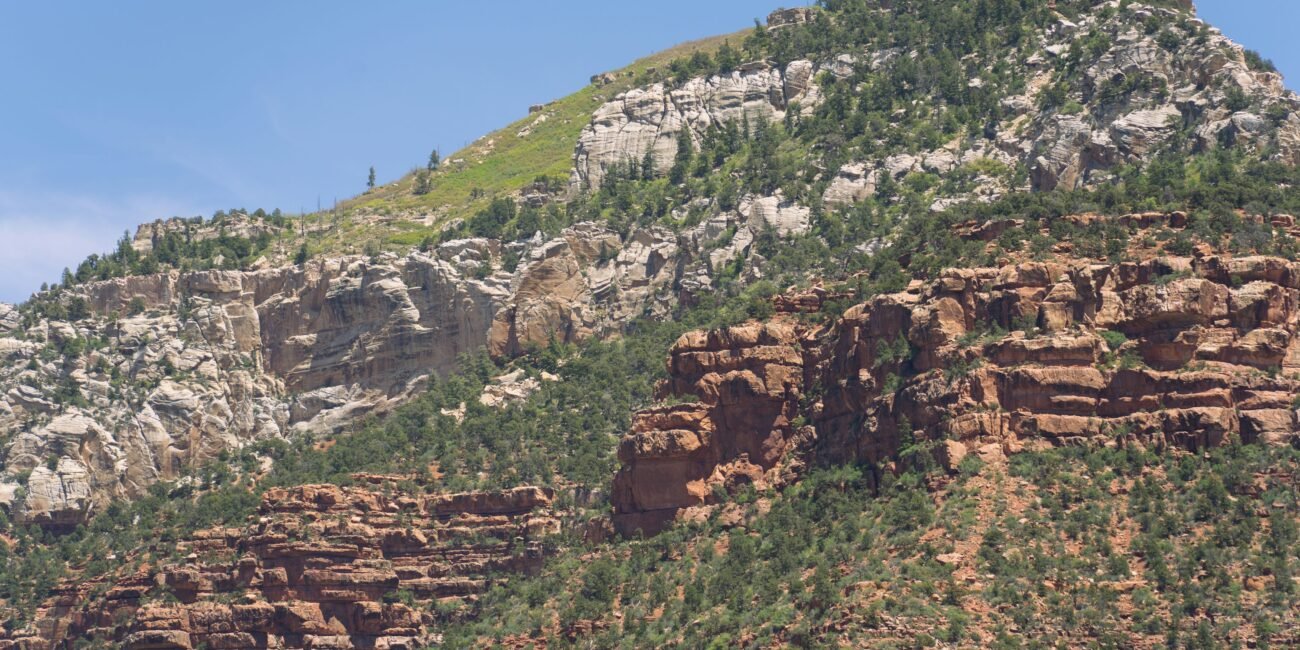
This is the most predictable season for full South Rim access and family travel, but it is also the most demanding season for inner-canyon hiking. The rim can be pleasant while temperatures far below become dangerous. July and August also bring the Southwest monsoon, with lightning, heavy rain and flash-flood risk.
Fall: September–November
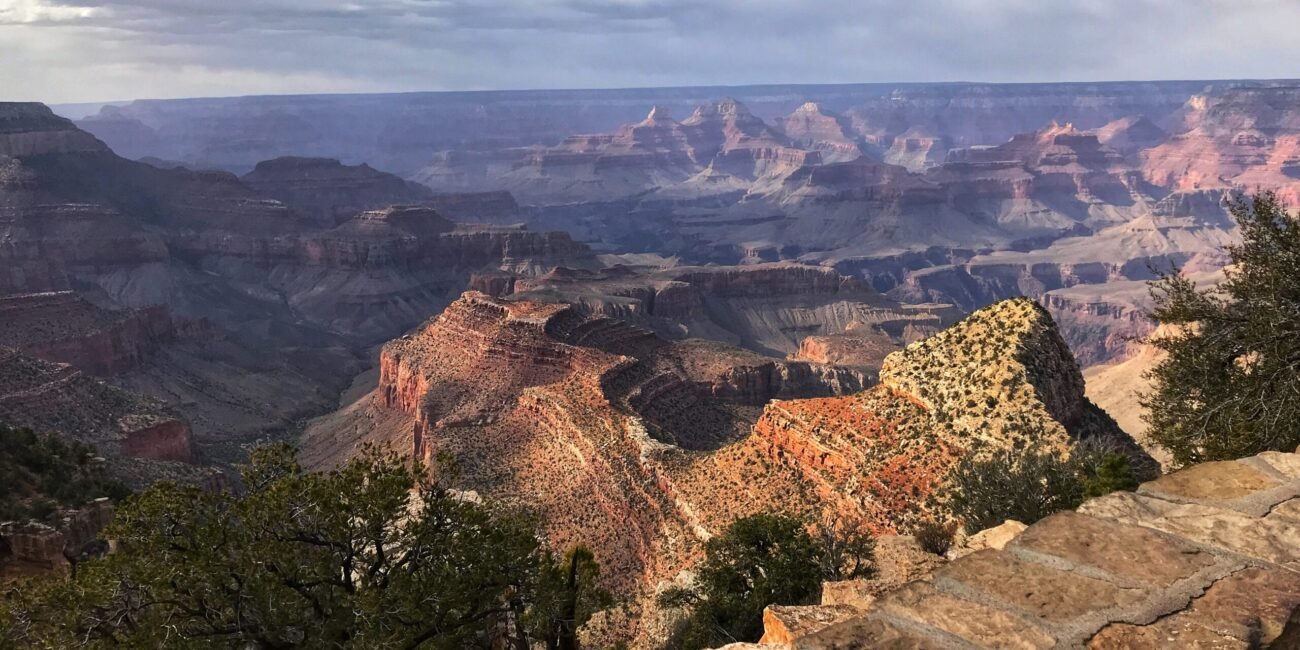
Early fall can combine warm days with thinning crowds. Hiking conditions generally improve as inner-canyon heat eases. The North Rim begins shutting down seasonally in October and normally closes to vehicles in late fall, so confirm exact operating dates and road status.
Winter: December–February
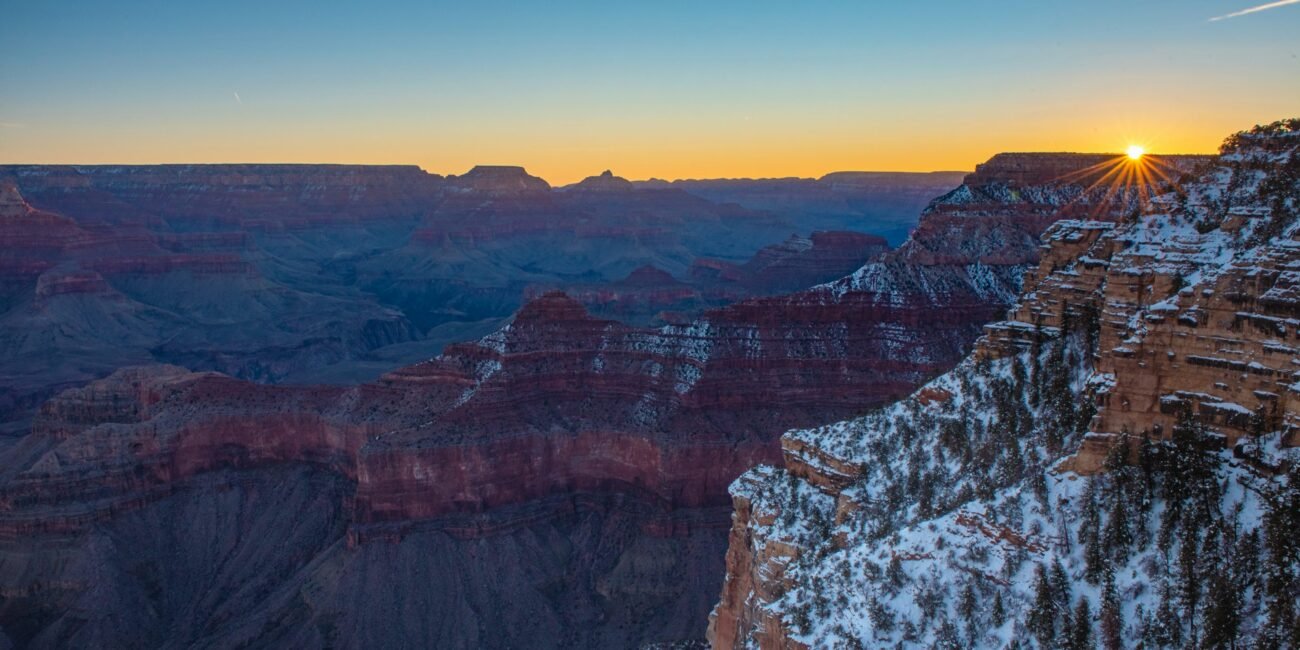
Winter is the quietest South Rim season and can deliver extraordinary snow-covered views. It also brings icy trails, snowstorms, shorter daylight and occasional road impacts. The North Rim is closed to normal vehicle access. Microspikes or traction devices can be valuable for rim and upper-trail ice.
The Rim Forecast Is Not the Canyon Forecast
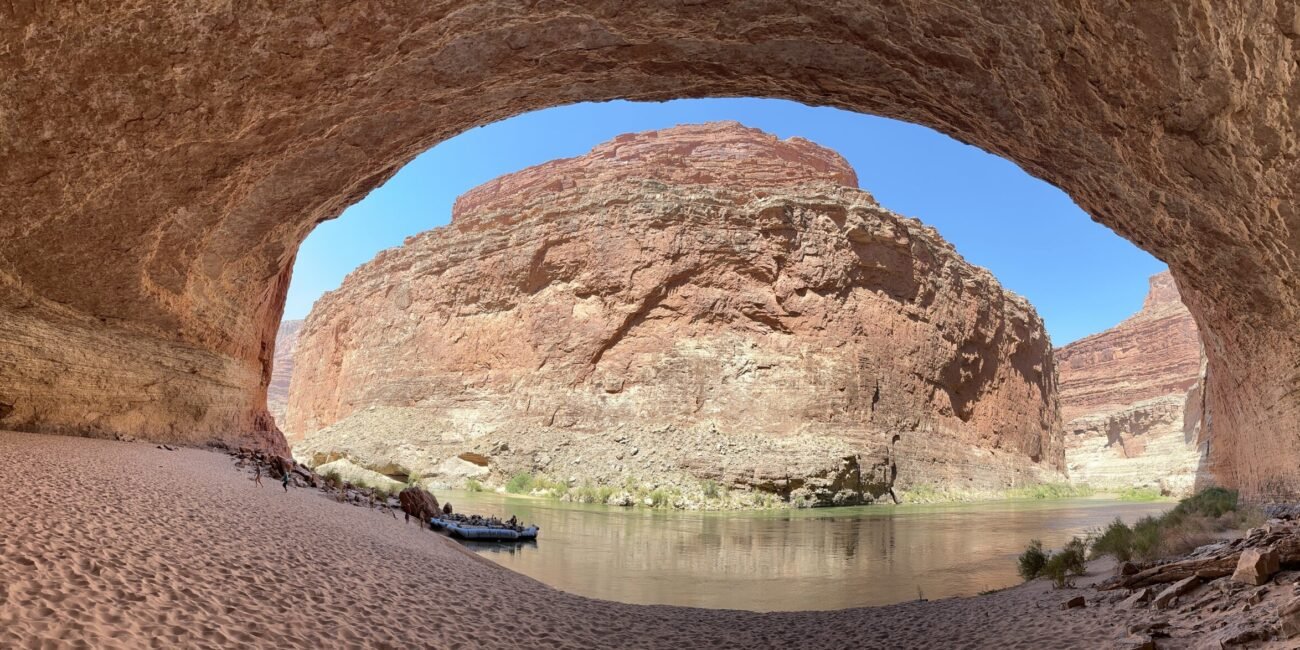
Grand Canyon Village sits near 7,000 feet. The Colorado River is thousands of feet lower and is routinely much hotter. A mild forecast at the rim can coincide with severe heat on inner-canyon trails. For hiking, check both rim and inner-canyon conditions and plan around the hottest part of the day.
Best Season for Different Visitors
Families often favor late spring through early fall for longer daylight and fuller services. Serious hikers generally benefit from shoulder seasons. Photographers can find dramatic light in any month, with winter offering snow and summer bringing dramatic monsoon skies. Visitors who dislike crowds should consider weekdays in spring, fall or winter rather than peak summer weekends.
Best for Rim Sightseeing
May, June, September and October often balance daylight, road access and comfortable rim temperatures, though weather is never guaranteed.
Best for Inner-Canyon Hiking
Spring and fall are generally more forgiving than summer. Even then, elevation and exposure make weather checks and water planning essential.
Best for Quiet
Winter weekdays can feel remarkably peaceful at the South Rim, especially away from holiday periods, but come prepared for snow and ice.
Check Current Conditions, Not Just Climate Averages
Wildfire, snow, thunderstorms, trail work, water outages and seasonal closures can matter more than the average weather for a month. Use climate information to choose a season, then use live NPS conditions and forecasts to make the final day-by-day plan.